Antonio Margheriti
Director
Born: September 9, 1930 in Rome, Italy Died: November 4, 2002 Active: 1960-1994
Films
1 film
About Antonio Margheriti
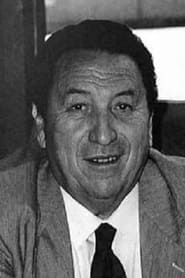
Italian film director, screenwriter, and special-effects-oriented genre stylist: career began in the early 1960s and extended for more than three decades. Born in Rome, he first trained and worked as an engineer before moving into cinema, a background that helped shape his practical, technically inventive approach to filmmaking. He quickly became associated with fantasy, science fiction, horror, adventure, and action pictures, often working efficiently under tight budgets while still delivering highly polished visual spectacle. Margheriti gained international recognition through imaginative genre films such as Castle of Blood, The Long Hair of Death, The Three Fantastic Supermen, and Yor, the Hunter from the Future, and he also directed war and spy pictures under pseudonyms, especially in the 1960s and 1970s. He was known for creating atmospheric settings, dynamic camera movement, and clever optical and miniature effects that allowed him to suggest a larger scale than his budgets might otherwise have permitted. Over time he became distinctive craftsmen of Italian popular cinema, admired by cult-film audiences for his versatility and for his ability to move between Gothic horror, science fiction, peplum, and action with ease. He continued working into the 1990s and is now remembered as one of the key Italian genre directors of the postwar era.
The Craft
Behind the Camera
Margheriti's directing style was highly visual, energetic, and technically ingenious, with a strong emphasis on atmosphere, motion, and spectacle. He often compensated for modest budgets with creative framing, miniature effects, matte work, colored lighting, and set-piece construction that made his films feel larger than their resources suggested. In horror and Gothic melodrama he favored misty landscapes, castles, crypts, and ornate period settings, while in science fiction and adventure he emphasized sleek design, futurist imagery, and brisk narrative momentum. His films often blend seriousness with playful genre exuberance, and even when working in exploitation categories he maintained a strong sense of craft and visual coherence. He was also known for professionalism and speed, which made him valuable to producers seeking dependable commercial entertainment.
Milestones
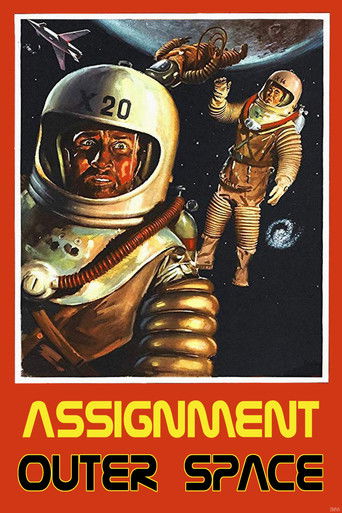
- Made a striking directorial debut in 1960 with Assignment: Outer Space, announcing a distinctive interest in science fiction and effects-driven cinema.
- Established himself internationally with Gothic horror films such as Castle of Blood and The Long Hair of Death, which became cult favorites.
- Built a major reputation in the Eurocult and exploitation markets by directing action, fantasy, peplum, war, and spy films under his own name and pseudonyms.
- Directed The Three Fantastic Supermen, one of the best-known examples of Italian superhero-style adventure cinema.
- Helped define the look and pacing of Italian genre cinema through inventive miniature work, atmospheric production design, and efficient use of limited resources.
- Expanded into large-scale adventure and fantasy with productions such as Yor, the Hunter from the Future, which achieved strong cult status internationally.
- Worked across multiple genres for several decades, becoming.
Best Known For
Must-See Films
Working Relationships
Worked Often With
Studios
Why They Matter
Impact on Culture
Antonio Margheriti became one of the defining figures of Italian genre cinema, especially in the areas of science fiction, Gothic horror, fantasy adventure, and war films. His work helped establish an internationally recognized style of Italian popular filmmaking that relied on atmosphere, design invention, and resourceful effects rather than lavish budgets. For many viewers outside Italy, his films served as an entry point into Eurocult cinema, and for later enthusiasts he became emblematic of the inventiveness of postwar Italian genre production. His ability to move between categories also helped demonstrate that commercially oriented genre cinema could be highly stylized and visually memorable even when produced quickly and inexpensively. Because his films circulated widely in drive-ins, late-night television, and cult revival circuits, they contributed to the broader global appreciation of European exploitation and fantasy cinema.
Lasting Legacy
Margheriti's legacy rests on his reputation as one of the great craftsmen of Italian popular cinema, a director who brought imagination and professionalism to films that were often made under severe economic constraints. He is especially admired by cult-film historians for creating memorable imagery and mood in genres that were frequently dismissed by mainstream critics at the time. His body of work has endured because it offers a vivid record of the resourcefulness, adaptability, and visual flair that characterized Italy's postwar genre industry. Later generations of fans and filmmakers continue to study his films for their ingenious effects work, efficient storytelling, and their mixture of earnest adventure with pulp invention. In film history, he stands as a key name alongside other major Italian genre directors who shaped the international perception of European fantastic cinema.
Who They Inspired
Margheriti influenced later directors and genre specialists by demonstrating how to make visually ambitious films within modest budgets. His use of miniatures, controlled lighting, and practical effects became a model for resourceful production design in low- and mid-budget fantasy and science fiction filmmaking. He also helped popularize Italian approaches to Gothic horror and adventure, influencing the tone and aesthetic of later Euro-horror and cult action films. Beyond direct stylistic influence, his career helped legitimize the idea that genre filmmaking could be an art of ingenuity, speed, and atmosphere rather than only of expensive spectacle.
Off Screen
Private figure compared with many filmmakers of his era, and public biographical details about his family life are relatively limited. He spent most of his life in Italy and built his career within the Italian studio and independent production system rather than in Hollywood. Available biographical accounts emphasize his professional versatility and technical ingenuity more than his domestic life. He is generally described as a working director devoted to filmmaking craft, with a career shaped by collaboration in Italy's prolific genre industry. Detailed information about marriages and family is not consistently documented in major reference sources.
Education
He studied engineering before entering the film industry, and that technical background strongly influenced his later approach to special effects and production design.
Did You Know?
- He trained as an engineer before becoming a filmmaker, which is often cited as the source of his technical ingenuity.
- He frequently worked under pseudonyms, especially for international markets and for some of his action and war films.
- He was especially respected for miniatures and special effects that made low-budget productions look much larger in scale.
- His 1960 debut, Assignment: Outer Space, marked him immediately as a director with a flair for science fiction.
- He moved easily across genres, directing horror, fantasy, peplum, war, spy, and science fiction films.
- Several of his films later became cult staples through television, home video, and repertory screenings.
- He collaborated with a number of international stars, which helped his films travel across export markets.
- His films are often cited as examples of the creativity and speed of the Italian genre system.
- He is sometimes associated with the broader wave of Italian exploitation cinema, though his films often show unusually strong craftsmanship.
- He remained active for decades, making him.
Frequently Asked Questions
Who was Antonio Margheriti?
Italian on YTB.my. He became.
What films is Antonio Margheriti best known for?
Titles linked here include Assignment: Outer Space, Castle of Blood.
When was Antonio Margheriti born and when did he die?
Born September 9, 1930; died November 4, 2002.
What awards did Antonio Margheriti win?
No major mainstream awards are consistently documented for him in the standard reference sources. His reputation rests more on cult appreciation, international genre popularity, and the long-term critical reevaluation of his work.
What was Antonio Margheriti's directing style?
His directing style was visual, atmospheric, and technically inventive, with a strong emphasis on mood, movement, and special effects. He was especially skilled at making low-budget productions feel large-scale through miniatures, lighting, and careful production design.
What is Antonio Margheriti's legacy in film history?
His legacy is that of a highly resourceful Italian genre director who helped define the look and appeal of Eurocult cinema. He remains important to film historians and cult audiences for his imaginative craftsmanship, genre versatility, and lasting influence on fantasy and horror filmmaking.