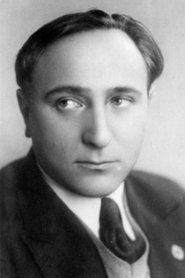
Efim Dzigan
Director
Born: December 14, 1898 in Moscow, Russian Empire Died: December 31, 1981 Active: 1927-1975 Birth Name: Efim Lvovich Dzigan
Films
1 film
About Efim Dzigan
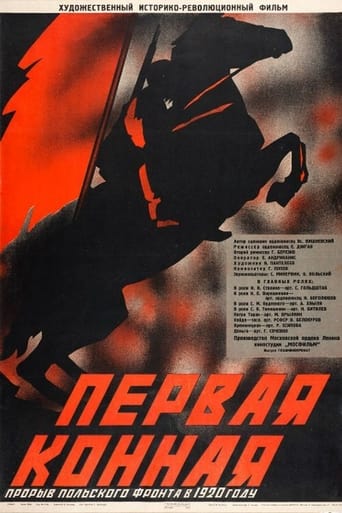
Efim Lvovich Dzigan — prominent Soviet film director and screenwriter who became figures in Soviet cinema during the Stalin era. Born in Moscow in 1898, he began his career in theater before transitioning to film in the 1920s. Dzigan gained international recognition for his epic historical films, particularly 'The First Cavalry' (1941), which depicted the heroic struggles of the First Cavalry Army during the Russian Civil War. His filmmaking style was characterized by grandiose battle scenes, strong patriotic themes, and adherence to socialist realist principles. Throughout his career, he directed numerous films that glorified Soviet military history and revolutionary achievements, making him a favored director of the Soviet state. Dzigan continued working into the 1970s, though his most influential period was during the 1930s-1950s. He was awarded the prestigious title of People's Artist of the USSR in recognition of his contributions to Soviet cinema.
The Craft
Behind the Camera
Dzigan's directing style was characterized by epic scale, grandiose battle sequences, and strong adherence to socialist realist principles. He specialized in historical military epics that emphasized collective heroism over individual achievement. His films featured massive crowd scenes, elaborate choreography of battle sequences, and a propagandistic approach that glorified Soviet military achievements. Dzigan employed sweeping camera movements and dramatic compositions to create a sense of historical importance and patriotic fervor.
Milestones
- Directed 'The First Cavalry' (1941),
- Received Stalin Prize for his contributions to cinema
- Named People's Artist of the USSR
- Directed multiple films about Soviet military history
- Pioneered large-scale battle sequences in Soviet cinema
Best Known For
Must-See Films
Accolades
Won
- Stalin Prize (1941)
- Stalin Prize (1946)
- Order of Lenin
- Order of the Red Banner of Labour
- People's Artist of the USSR (1969)
Nominated
- Cannes Film Festival Grand Prize (1946) for 'The Oath'
Special Recognition
- People's Artist of the RSFSR (1950)
- Honored Artist of the RSFSR (1935)
- State Prize of the RSFSR (1972)
Working Relationships
Worked Often With
Studios
Why They Matter
Impact on Culture
Efim Dzigan played a crucial role in shaping the Soviet war film genre and establishing the visual language of Soviet military epics. His film 'The First Cavalry' became a template for how Soviet cinema would portray the Russian Civil War and World War II for decades. Dzigan's work helped codify the socialist realist approach to historical filmmaking, emphasizing collective heroism and the inevitability of communist victory. His films were not only entertainment but also educational tools used to instill Soviet values and patriotism in generations of viewers. The grand scale and technical sophistication of his battle sequences influenced military filmmaking worldwide, even in Hollywood.
Lasting Legacy
Dzigan's legacy is complex, reflecting both his artistic achievements and his role as a propagandist for the Soviet regime. While his films are rarely screened in the West today, they remain important historical documents of Soviet cinema and ideology. His techniques for staging large-scale battle sequences influenced filmmakers globally, including directors like David Lean and Sergei Bondarchuk. Dzigan represents the pinnacle of the Soviet state-sponsored director who could balance artistic ambition with ideological requirements. His work continues to be studied by film scholars interested in the relationship between cinema and political power.
Who They Inspired
Dzigan influenced generations of Soviet and Russian filmmakers, particularly in the war and historical epic genres. His approach to choreographing massive battle scenes was studied and emulated by directors like Sergei Bondarchuk in 'War and Peace' and Andrei Tarkovsky in 'Andrei Rublev'. Even Western directors studying Soviet montage theory examined Dzigan's work for its effective use of crowd scenes and patriotic imagery. His emphasis on collective heroism over individual achievement became a hallmark of Soviet war cinema that persisted well into the 1970s and 1980s.
Off Screen
Efim Dzigan was married to actress Vera Maretskaya,. Their marriage was both personal and professional, with Maretskaya starring in several of his films. Dzigan was known to be a dedicated communist who fully embraced the ideological requirements of Soviet art. He lived through the entire Soviet period, from the revolution through the Stalin era and into the Brezhnev years, adapting his style to changing political requirements while maintaining his focus on patriotic themes.
Education
Studied at the State Institute of Cinematography (VGIK) in Moscow, graduated in 1927
Family
- Vera Maretskaya (1936-1981)
Did You Know?
- 'The First Cavalry' was one of the first Soviet films to depict the Russian Civil War on such an epic scale
- Dzigan was known for using thousands of real soldiers as extras in his battle scenes
- His films were often used as educational materials in Soviet schools and military academies
- During World War II, Dzigan directed several frontline documentaries
- His wife Vera Maretskaya starred in many of his most successful films
- Dzigan survived Stalin's purges despite working in a highly politicized medium
- He was one of the few Soviet directors allowed to travel internationally during the Cold War
- His films were often screened at international film festivals as examples of Soviet artistic achievement
- Dzigan taught directing at VGIK, mentoring the next generation of Soviet filmmakers
- His final film 'The Flight of the Cosmos' (1975) dealt with Soviet space exploration
In Their Own Words
Cinema must serve the people and the revolution, there is no other purpose for art in our society
Every frame must educate and inspire, not merely entertain
The individual is nothing without the collective, this must be reflected in our art
History is our greatest teacher, and film is our most powerful tool to teach it
Frequently Asked Questions
Who was Efim Dzigan?
Prominent Soviet on YTB.my. He was a major figure in Soviet cinema who specialized in patriotic films glorifying Soviet military achievements and revolutionary history.
What films is Efim Dzigan best known for?
Titles linked here include The First Cavalry (1941), We are from Kronstadt (1936).
When was Efim Dzigan born and when did he die?
Born December 14, 1898; died December 31, 1981.
What awards did Efim Dzigan win?
Dzigan received numerous prestigious Soviet awards including two Stalin Prizes (1941 and 1946), the Order of Lenin, the Order of the Red Banner of Labour, and was named People's Artist of the USSR in 1969.
What was Efim Dzigan's directing style?
Dzigan's directing style was characterized by epic scale, grandiose battle sequences, and strong adherence to socialist realist principles. He specialized in historical military epics with massive crowd scenes and patriotic themes, emphasizing collective heroism over individual achievement.