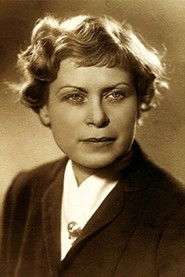
Aleksandra Snezhko-Blotskaya
Director
Born: February 21, 1909 in Moscow, Russian Empire Died: December 29, 1980 Active: 1936-1980 Birth Name: Aleksandra Grigoryevna Snezhko-Blotskaya
Films
1 film
About Aleksandra Snezhko-Blotskaya
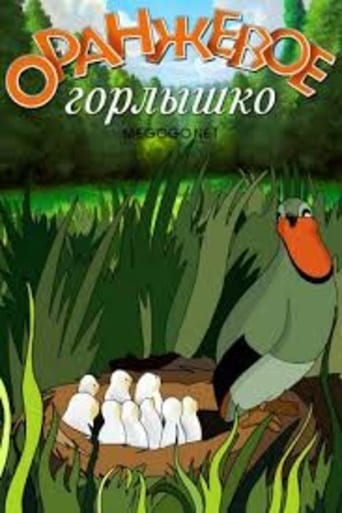
Made significant contributions to Russian animation during the mid-20th century. Born in 1909, she began her career in the emerging field of Soviet animation during the 1930s, joining the Soyuzmultfilm studio where she would spend most of her professional life. Snezhko-Blotskaya specialized in adapting classic Russian folk tales and fairy tales for the screen, bringing traditional stories to life through distinctive animation techniques. Her 1954 film 'The Orange Neck' stands as one of her most recognized works, showcasing her ability to blend visual artistry with narrative storytelling. Throughout her career, she developed a reputation for creating visually rich animations that captured the essence of Russian folklore and children's literature. Her work at Soyuzmultfilm spanned several decades, during which she contributed to the studio's golden age of animation. Snezhko-Blotskaya's films continue to be celebrated for their artistic merit and cultural significance within the history of Russian cinema.
The Craft
Behind the Camera
Snezhko-Blotskaya's directing style was characterized by a deep respect for traditional Russian folklore and a distinctive visual aesthetic that combined detailed backgrounds with expressive character animation. Her approach emphasized storytelling clarity and visual poetry, often using rich color palettes and intricate designs to bring fairy tale worlds to life. She had a particular talent for maintaining the authentic spirit of classic tales while making them accessible to contemporary audiences.
Milestones
- Joined Soyuzmultfilm studio in 1936
- Directed 'The Orange Neck' (1954)
- Created numerous adaptations of Russian folk tales
- Contributed to Soviet animation's golden age
- Mentored younger animators at Soyuzmultfilm
Best Known For
Must-See Films
Accolades
Won
- Honored Artist of the RSFSR (1969)
Special Recognition
- Order of the Badge of Honour
- Medal 'For Valiant Labor in the Great Patriotic War 1941-1945'
Working Relationships
Worked Often With
Studios
Why They Matter
Impact on Culture
Aleksandra Snezhko-Blotskaya played a crucial role in preserving and popularizing Russian folklore through the medium of animation. Her films became cultural touchstones for generations of Soviet children, introducing them to traditional stories and values in an accessible visual format. Her work at Soyuzmultfilm contributed to the studio's reputation as one of the world's leading animation houses, and her adaptations of classic tales helped establish a distinctive Soviet animation style that differed from Western approaches. Her films continue to be shown on Russian television and are considered part of the nation's cultural heritage.
Lasting Legacy
Snezhko-Blotskaya's legacy endures through her animated films, which remain beloved classics in Russian cinema. Her dedication to adapting folk tales helped preserve these stories for future generations and established a template for how traditional culture could be presented through modern media. Her work continues to influence Russian animators, and her films are studied in film schools as examples of how animation can serve as a vehicle for cultural preservation. The distinctive visual style she developed continues to be referenced in contemporary Russian animation.
Who They Inspired
Snezhko-Blotskaya influenced generations of Russian animators through her work at Soyuzmultfilm and her commitment to artistic excellence in animation. Her approach to adapting folklore has been emulated by subsequent directors working with traditional stories. Her visual techniques, particularly her use of color and background design, have been studied and incorporated by younger animators. She also mentored several artists who went on to become prominent figures in Russian animation.
Off Screen
Aleksandra Snezhko-Blotskaya was dedicated to her craft and spent most of her life working in animation. She was known among colleagues as a meticulous artist who was passionate about preserving Russian cultural heritage through her films. Her personal life remained relatively private, with her professional achievements taking center stage in her public persona.
Education
Graduated from the Moscow Art School (formerly Stroganov School) in the early 1930s, where she studied art and design before entering the animation industry.
Did You Know?
- She was one of the few women directors at Soyuzmultfilm during the Soviet era
- Her film 'The Orange Neck' was based on a Russian folk tale about a magical bird
- She worked as an animator before becoming a director
- Many of her films were co-directed with male colleagues, common practice at the time
- Her animations often featured intricate patterns inspired by Russian folk art
- She continued working at Soyuzmultfilm well into her 60s
- Her films were frequently screened in schools across the Soviet Union as educational tools
- She survived the Siege of Leningrad during World War II
- Her work was part of the Soviet cultural exchange program in the 1950s
- Several of her films won awards at international film festivals
In Their Own Words
Animation is not just for children; it is a serious art form that can preserve our cultural heritage for future generations.
Every frame should be a painting, and every story should touch the soul.
When we animate folk tales, we are not just entertaining; we are keeping our ancestors' wisdom alive.
Frequently Asked Questions
Who was Aleksandra Snezhko-Blotskaya?
Soviet animator and on YTB.my. She specialized in adapting Russian folk tales and fairy tales into animated films, becoming one of the prominent female directors in Soviet animation during its golden age.
What films is Aleksandra Snezhko-Blotskaya best known for?
Titles linked here include The Orange Neck (1954), The Frog Princess (1954).
When was Aleksandra Snezhko-Blotskaya born and when did she die?
Born February 21, 1909; died December 29, 1980.
What awards did Aleksandra Snezhko-Blotskaya win?
She was awarded the title of Honored Artist of the RSFSR in 1969, received the Order of the Badge of Honour, and was honored with the Medal 'For Valiant Labor in the Great Patriotic War 1941-1945' for her contributions during wartime.
What was Aleksandra Snezhko-Blotskaya's directing style?
Her directing style was characterized by a deep respect for Russian folklore, distinctive visual aesthetics with rich color palettes, and detailed background designs. She emphasized storytelling clarity while maintaining the authentic spirit of classic tales, creating visually poetic animations that appealed to both children and adults.