Films
1 film
About Signora Sturla
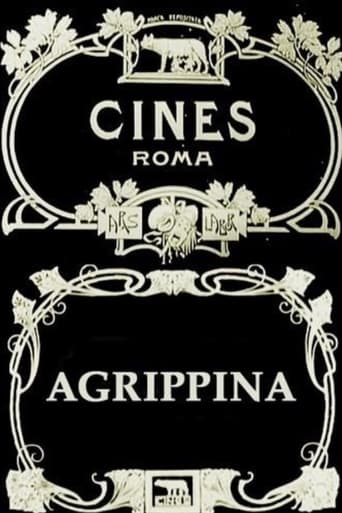
Signora Sturla is credited on a single production — Agrippina (1910). ' which was produced during the golden age of Italian silent cinema. As with many actors from this very early period of filmmaking, detailed biographical information is scarce, reflecting the transitional nature of the film industry at the time when actors were often not given prominent billing or recognition. Her role in 'Agrippina' places her among the generation of performers who helped establish the foundations of Italian cinema, which would later become one of Europe's most influential film industries. The fact that she was credited as 'Signora' suggests she may have been married or of a certain social standing, which was common for actresses of this era who came from theatrical backgrounds. Her brief appearance in the film industry coincides with a period when Italian cinema was producing ambitious historical epics that would influence filmmakers worldwide.
The Craft
Milestones
- Appeared in the 1910 Italian silent film 'Agrippina'
Best Known For
Iconic Roles
Must-See Films
Why They Matter
Impact on Culture
Signora Sturla represents the often-overlooked contributions of early film actors who participated in the foundational years of cinema. Her appearance in 'Agrippina' (1910) places her within the context of Italy's early film industry, which was producing ambitious historical spectacles that would influence international cinema. While her individual impact may be difficult to trace due to limited documentation, she was part of a generation of performers who helped establish the acting techniques and visual storytelling methods that would define silent cinema. These early actors paved the way for the star system that would emerge in the following decades, even though many of them, like Sturla, remain largely anonymous to modern audiences.
Lasting Legacy
The legacy of Signora Sturla is primarily historical, representing the countless performers who contributed to early cinema during its formative years. Her brief appearance in 1910 places her among the pioneers of Italian film, an industry that would later produce some of cinema's most celebrated directors and actors. While her name may not be recognized today, her participation in early filmmaking reflects the collaborative nature of cinema's development and the many forgotten artists who helped shape the medium. Her story illustrates how film history encompasses not just the famous names but also the many individuals who contributed to cinema's evolution during its earliest decades.
Who They Inspired
Due to the limited documentation of Signora Sturla's career and the brevity of her known film work, her direct influence on other performers or the broader film industry cannot be specifically traced. However, as an early practitioner of the film acting craft, she would have been part of the generation that helped establish the transition from theatrical acting styles to the more subtle techniques required by the camera. Early silent film actors like Sturla contributed to the development of screen acting as a distinct art form, influencing subsequent generations of performers even when their individual contributions were not recorded.
Off Screen
Very little is known about the personal life of Signora Sturla, which is typical for actors from the very early silent film era. The honorific 'Signora' in her credited name suggests she may have been married, but specific details about her family, relationships, or life outside of her brief film appearance have not been preserved in historical records.
Did You Know?
- Signora Sturla appeared in cinema during its first decade when films were typically very short and actors were rarely credited by name
- The honorific 'Signora' in her credited name was common for Italian actresses of the era, often indicating marital status or social standing
- Her only known film 'Agrippina' (1910) was produced during Italy's early cinematic golden age when historical epics were popular
- 1910 was still in the very early days of feature filmmaking, with most films being one-reelers of about 10-15 minutes
- Early Italian cinema was among the most technically advanced in the world during this period
- Many actors from this era came from theatrical backgrounds, as film was not yet considered a prestigious art form
- The preservation rate for films from 1910 is extremely low, with many early Italian films considered lost
Frequently Asked Questions
Who was Signora Sturla?
Screen credits include the 1910 film 'Agrippina.' Very little is known about her life and career, which is typical for actors from the very early days of cinema when detailed records were not commonly kept.