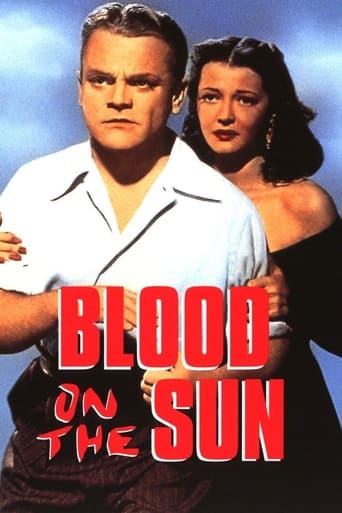
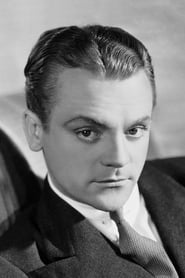
James Cagney
Actor
Born: July 17, 1899 in New York City, New York, USA Died: March 30, 1986 Active: 1919-1981 Birth Name: James Francis Cagney Jr.
Films
4 films
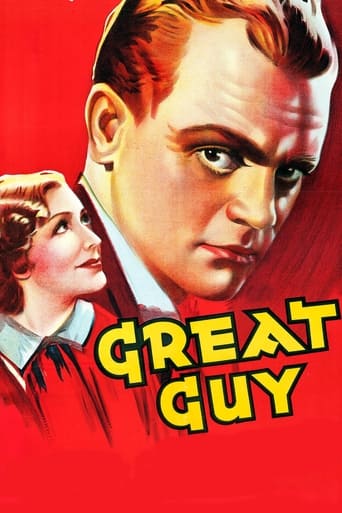
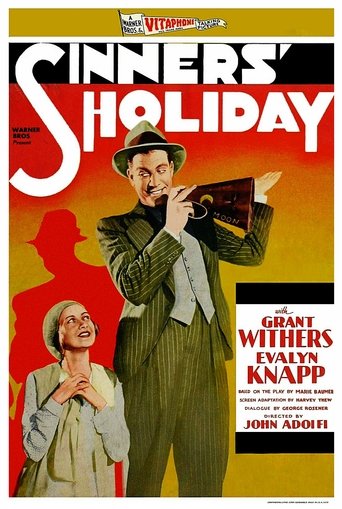
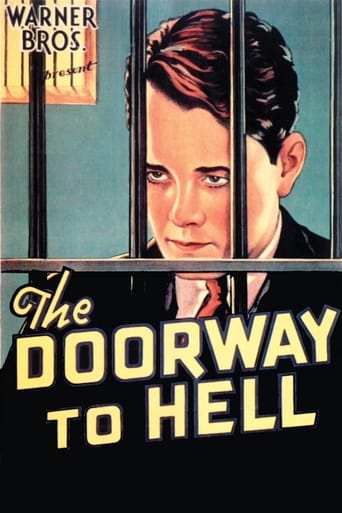
About James Cagney
James Francis Cagney Jr. Was one of Hollywood's most dynamic and versatile actors of the Golden Age, rising from humble beginnings in New York's Lower East Side to become an Academy Award-winning star. He began his career in vaudeville before transitioning to film, making his breakthrough in the gangster classic 'The Public Enemy' (1931) which established his tough-guy persona. Cagney's over five decades, during which he demonstrated remarkable range from gangsters to musical performers, most notably winning the Best Actor Oscar for his portrayal of George M. Cohan in 'Yankee Doodle Dandy' (1942). His distinctive acting style combined explosive energy, precise physicality, and rapid-fire dialogue delivery that made him recognizable stars of his era. Beyond acting, Cagney was also a successful producer, director, and dancer who challenged the studio system by forming his own production company. His later career included memorable performances in 'White Heat' (1949) and 'One, Two, Three' (1961) before his retirement in the 1980s.
The Craft
On Screen
Cagney was renowned for his explosive, physical acting style characterized by rapid movements, distinctive hunched shoulders, and machine-gun dialogue delivery. His approach combined method-like intensity with theatrical precision, often incorporating his dance training into his character work. He pioneered a naturalistic yet highly stylized performance style that influenced generations of actors, particularly in gangster films. Cagney's ability to switch seamlessly from menace to charm within seconds, coupled with his trademark nervous energy and distinctive vocal patterns, made him.
Milestones
- Breakthrough role in 'The Public Enemy' (1931) establishing him as a major star
- Academy Award for Best Actor for 'Yankee Doodle Dandy' (1942)
- Formation of Cagney Productions to gain creative control
- Iconic performance as Cody Jarrett in 'White Heat' (1949)
- AFI Life Achievement Award recipient (1974)
- Presidential Medal of Freedom recipient (1984)
- Star on Hollywood Walk of Fame
Best Known For
Iconic Roles
Must-See Films
Accolades
Won
- Academy Award for Best Actor - 'Yankee Doodle Dandy' (1942)
- New York Film Critics Circle Award for Best Actor - 'Yankee Doodle Dandy' (1942)
- Golden Globe Cecil B. DeMille Award (1973)
- Kennedy Center Honors (1980)
- National Board of Review Award for Best Actor - 'Love Me or Leave Me' (1955)
Nominated
- Academy Award nomination for Best Actor - 'Angels with Dirty Faces' (1938)
- Academy Award nomination for Best Actor - 'Love Me or Leave Me' (1955)
- Academy Award nomination for Best Actor - 'Mister Roberts' (1955)
- Golden Globe nomination for Best Actor - 'One, Two, Three' (1961)
- BAFTA nomination for Best Foreign Actor - 'Love Me or Leave Me' (1955)
Special Recognition
- AFI Life Achievement Award (1974)
- Presidential Medal of Freedom (1984)
- Hollywood Walk of Fame star (6600 Hollywood Blvd)
- Kennedy Center Honoree (1980)
- Screen Actors Guild Life Achievement Award (1979)
- Inducted into the International Best Dressed Hall of Fame
Working Relationships
Worked Often With
Studios
Why They Matter
Impact on Culture
James Cagney revolutionized screen acting with his energetic, physical style that broke away from the more theatrical performances common in early sound films. His portrayal of gangsters helped establish the American gangster film genre while also exploring the complexities of criminal psychology. Cagney's performance as George M. Cohan in 'Yankee Doodle Dandy' created a new template for musical biopics and demonstrated his remarkable versatility. His famous line 'Made it, Ma! Top of the world!' from 'White Heat' became one of cinema's most quoted lines. Cagney also challenged the studio system by forming his own production company, paving the way for greater creative autonomy for actors. His Irish-American representation on screen helped break ethnic stereotypes and provided positive representation during a time of discrimination.
Lasting Legacy
James Cagney's legacy endures through his influence on acting technique, particularly in the gangster film genre and physical performance styles. He is consistently ranked among the greatest American actors by the American Film Institute, placing at #8 on their list of greatest male screen legends. Cagney's work preserved important aspects of American culture, from vaudeville to Irish-American heritage to wartime patriotism. His films continue to be studied in film schools for their innovative camera techniques, editing rhythms, and performance styles. The preservation of his films through the Library of Congress and Turner Classic Movies ensures that future generations can appreciate his contributions to cinema. Cagney's approach to character development and his business acumen in forming his own production company created a blueprint for actor empowerment in Hollywood.
Who They Inspired
Cagney's acting style directly influenced generations of actors, particularly in his approach to physical characterization and rapid dialogue delivery. Method actors like Marlon Brando and James Dean studied his naturalistic yet intense performances. Gangster film actors from Robert De Niro to Al Pacino have cited Cagney's work as foundational to the genre. His ability to play both tough guys and musical performers demonstrated the range possible for leading men, inspiring actors like Gene Kelly and Frank Sinatra to pursue diverse roles. Directors such as Martin Scorsese and Francis Ford Coppola have referenced Cagney's films in their work, particularly his gangster portrayals. His success as an independent producer influenced later actors like Clint Eastwood and Tom Hanks to form their own production companies.
Off Screen
James Cagney married actress Frances Willard 'Billie' Vernon in 1922, and their marriage lasted 64 years until his death. They had two adopted children, Cathleen 'Casey' Cagney and James Francis Cagney III. Cagney was known for his private nature and avoided the Hollywood social scene, preferring to spend time at his farm in Stanfordville, New York. He was a dedicated family man who maintained strong Irish Catholic values throughout his life. Despite his tough-guy screen image, off-screen he was known for his gentle demeanor, artistic sensibilities, and support of liberal causes, including civil rights and anti-fascist efforts during World War II.
Education
Attended Columbia University but left after one semester due to financial constraints. Studied at the American Academy of Dramatic Arts. Graduated from Stuyvesant High School in New York City in 1918.
Family
- Frances Willard 'Billie' Vernon (1922-1986, until his death)
Did You Know?
- Was an accomplished amateur painter and sculptor, with his works displayed in galleries
- Spoke fluent Yiddish from growing up in New York's Lower East Side
- Turned down the role of the Wicked Witch of the West in 'The Wizard of Oz'
- Was a registered Republican who supported liberal causes and civil rights
- Stood only 5'9" tall but used camera angles to appear taller on screen
- His famous grapefruit scene in 'The Public Enemy' was improvised
- Was offered the role of Don Corleone in 'The Godfather' but declined
- Served as president of the Screen Actors Guild from 1942-1944
- Was a skilled horseman and performed many of his own stunts
- His wife Billie Vernon appeared in several of his films in small roles
- Was a distant cousin of actress Joan Cusack
- Received $150,000 for 'Yankee Doodle Dandy', making him one of Hollywood's highest-paid stars
- His final film 'Ragtime' (1981) earned him an Academy Award nomination for Best Supporting Actor
In Their Own Words
Made it, Ma! Top of the world! - as Cody Jarrett in 'White Heat' (1949)
You dirty rat! - often misattributed but similar to lines he delivered
I'm the guy that's doing his job, you must be the other guy. - from 'The Public Enemy'
I'm a Yankee Doodle Dandy, Yankee Doodle do or die. - from 'Yankee Doodle Dandy'
You can be had. In fact, you're had. - from 'The Roaring Twenties'
It takes a brass god to say 'no' to a brass god. - from 'One, Two, Three'
I never socked a dame in my life and I'm not starting now. - from 'The Public Enemy'
You think you're big enough to take me on? - from 'White Heat'
Frequently Asked Questions
Who was James Cagney?
James Cagney was one of Hollywood's most iconic and versatile actors of the Golden Age, known for his energetic performances in gangster films, musicals, and dramas. He won an Academy Award for Best Actor for his role as George M. Cohan in 'Yankee Doodle Dandy' and was famous for his distinctive acting style that combined physical intensity with rapid dialogue delivery.
What films is James Cagney best known for?
Titles linked here include The Public Enemy (1931), Yankee Doodle Dandy (1942).
When was James Cagney born and when did he die?
Born July 17, 1899; died March 30, 1986.
What awards did James Cagney win?
Cagney won the Academy Award for Best Actor for 'Yankee Doodle Dandy' (1942), the New York Film Critics Circle Award for the same role, the Golden Globe Cecil B. DeMille Award (1973), the AFI Life Achievement Award (1974), the Kennedy Center Honors (1980), and the Presidential Medal of Freedom (1984). He received three additional Academy Award nominations throughout his career.
What was James Cagney's acting style?
Cagney's acting style was characterized by explosive physical energy, distinctive hunched shoulders, rapid-fire dialogue delivery, and precise movements influenced by his dance training. He pioneered a naturalistic yet highly stylized approach that could switch instantly from menace to charm, making him.
Did James Cagney really say 'You dirty rat'?
While 'You dirty rat' is famously associated with Cagney, he never actually said this exact line in any of his films. The phrase became popular through impersonations and caricatures of his gangster roles. He did deliver similar tough-guy lines in his movies, but this specific quote is a Hollywood myth that has persisted for decades.
Was James Cagney involved in politics?
Yes, Cagney was politically active throughout his life, supporting liberal causes including labor unions and civil rights, despite being a registered Republican. He served as president of the Screen Actors Guild from 1942-1944 and was investigated during the Red Scare era but cleared of all charges. He received the Presidential Medal of Freedom from Ronald Reagan in 1984.