
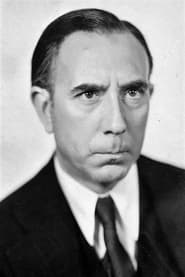
Carlos Villarías
Actor
Born: July 7, 1892 in Córdoba, Spain Died: April 27, 1944 Active: 1920s-1944 Birth Name: Carlos Villarías Díaz
Films
2 films
About Carlos Villarías
Spanish actor who achieved international fame through his compelling portrayal of Count Dracula in the Spanish-language version of Universal's 1931 horror masterpiece. Born in Córdoba, Spain, he began his career as a stage actor in Spanish theater before transitioning to cinema during the silent era. Villarías moved to Hollywood during the early sound period when studios were producing Spanish-language versions of their English films to capture international markets. His performance in 'Drácula' (1931) was notably more expressive and dynamic than Bela Lugosi's English version, with critics often praising his superior technique and emotional range. Throughout the 1930s, he continued appearing in Spanish-language productions both in Hollywood and Spain, including his role in 'Verbena trágica' (1939). His career exemplified the golden age of Spanish-language cinema in Hollywood, bridging cultural divides through the universal medium of film. Villarías returned to Spain in his later years, where he continued acting until his death in 1944.
The Craft
On Screen
Villarías was known for his highly expressive and theatrical acting style, which was well-suited for both stage and early cinema. His performances featured dramatic gestures, intense facial expressions, and a commanding presence that captivated audiences. Unlike many of his contemporaries, he successfully adapted his stage techniques for the camera, creating performances that were both larger-than-life and intimate. His portrayal of Dracula was particularly noted for its sensuality and menace, bringing a different interpretation to the character than Lugosi's more restrained approach.
Milestones
- Portrayed Count Dracula in the Spanish-language version of Universal's 1931 classic
- Successful transition from Spanish stage to international cinema
- Leading actor in Spanish-language Hollywood productions during the 1930s
- Appeared in over 50 films throughout his career
- Returned to Spain to continue his acting career in Spanish cinema
Best Known For
Iconic Roles
Must-See Films
Accolades
Special Recognition
- Recognized as
- His performance as Dracula is studied in film history courses as an alternative interpretation of the iconic role
Working Relationships
Worked Often With
Studios
Why They Matter
Impact on Culture
Carlos Villarías made a significant cultural impact through his work in Spanish-language cinema during Hollywood's golden age. His portrayal of Dracula provided Spanish-speaking audiences with their own iconic interpretation of the character, distinct from Lugosi's English version. The Spanish version of Dracula, featuring Villarías, was often filmed at night using the same sets as the English version but with different cinematography and direction, resulting in a film that many critics consider technically superior. His success demonstrated the viability and artistic merit of Spanish-language productions in Hollywood, paving the way for future international cinema. Villarías became a cultural bridge between Spanish and American film industries, helping to establish Spanish cinema's presence in the international market during the early sound era.
Lasting Legacy
Carlos Villarías' legacy endures primarily through his landmark performance as Count Dracula, which continues to be studied and admired by film scholars and horror enthusiasts. The Spanish version of Dracula has gained cult status over the decades, with many modern critics arguing that Villarías' performance was more nuanced and technically proficient than Lugosi's. His work represents an important chapter in Hollywood history when studios actively catered to international audiences through parallel productions. Villarías is remembered as a figure in Spanish-language cinema who helped establish standards for acting in early sound films. His influence extends to contemporary discussions about representation and diversity in classic Hollywood, highlighting the contributions of non-English speaking actors to the golden age of cinema.
Who They Inspired
Villarías influenced subsequent generations of Spanish and Latin American actors through his demonstration that Spanish-language cinema could achieve artistic excellence equal to its English-language counterparts. His expressive acting style provided a template for dramatic performance in Spanish cinema during the sound era. The technical superiority of his Dracula film influenced how studios approached foreign-language productions, leading to more sophisticated approaches to international filmmaking. Modern actors studying horror film history often examine his performance as an alternative interpretation of the Dracula character, showing how different cultural approaches can create distinct artistic results from the same source material.
Off Screen
Carlos Villarías maintained a relatively private personal life despite his public fame. He was married and had children, though specific details about his family life remain limited in historical records. His decision to return to Spain in the late 1930s coincided with the Spanish Civil War, a turbulent period that likely influenced his career choices. He spent his final years in Barcelona, where he continued acting until his death from natural causes at age 51.
Education
Trained in classical Spanish theater, likely received formal acting education in Spain before beginning his stage career
Family
- Information not widely documented in historical records
Did You Know?
- The Spanish version of Dracula was filmed at night using the same sets as the English version during the day
- Many modern critics consider Villarías' Dracula performance superior to Bela Lugosi's due to his more dynamic acting style
- The Spanish version of Dracula was 29 minutes longer than the English version
- Villarías was reportedly paid less than Bela Lugosi for essentially the same role
- His Dracula film was thought lost for decades before being rediscovered in the 1970s
- The Spanish version included scenes that were censored or cut from the English version
- Villarías was already an established stage actor in Spain before moving to Hollywood
- He spoke multiple languages, which helped his transition to international cinema
- The Spanish Dracula was directed by George Melford, who didn't speak Spanish and relied on a translator
- Villarías' portrayal of Dracula was more physically active and included more movement than Lugosi's interpretation
In Their Own Words
I am Dracula. I bid you welcome
Spanish: 'Soy Drácula. Les doy la bienvenida') - His iconic opening line as Dracula
The blood is the life
Spanish: 'La sangre es la vida') - Another memorable line from his Dracula performance
Listen to them. Children of the night. What music they make
Spanish: 'Escúchalos. Hijos de la noche. Qué música hacen') - Famous line delivered with his distinctive Spanish accent
Frequently Asked Questions
Who was Carlos Villarías?
Spanish with credits in this catalog. He was a prominent figure in Spanish-language cinema during Hollywood's golden age, appearing in numerous films throughout the 1930s before returning to Spain to continue his career.
What films is Carlos Villarías best known for?
Titles linked here include Drácula (1931 Spanish version), Verbena trágica (1939).
When was Carlos Villarías born and when did he die?
Born July 7, 1892; died April 27, 1944.
What awards did Carlos Villarías win?
While Carlos Villarías did not receive major formal awards during his lifetime, his performance as Dracula has been posthumously recognized by film historians as. His work is now studied in film history courses for its artistic merit.
What was Carlos Villarías's acting style?
Villarías was known for his highly expressive and theatrical acting style, featuring dramatic gestures and intense facial expressions. His performance as Dracula was particularly noted for its sensuality and dynamic movement, contrasting with Bela Lugosi's more restrained interpretation in the English version.
How does Carlos Villarías's Dracula compare to Bela Lugosi's version?
Many modern critics consider Villarías's Spanish-language Dracula superior to Lugosi's English version due to his more expressive acting style and the film's superior cinematography. The Spanish version was 29 minutes longer and included scenes cut from the English version, with Villarías bringing a more physically dynamic interpretation to the character.
Why did Hollywood make Spanish versions of films?
During the early sound era, Hollywood studios produced Spanish-language versions of popular films to capture international markets. This practice allowed them to export films to Spanish-speaking countries without the technical challenges of dubbing, and it employed Spanish-speaking actors like Carlos Villarías who could perform authentically for these audiences.