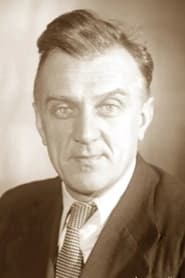
Aleksandr Khanov
Actor
Born: April 27, 1904 in Moscow, Russian Empire Died: September 23, 1979 Active: 1939-1946 (film career) Birth Name: Aleksandr Pavlovich Khanov
Films
3 films
About Aleksandr Khanov
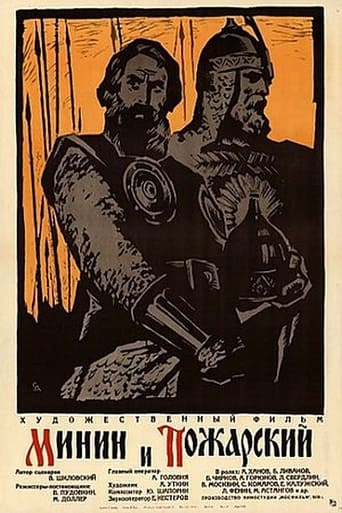
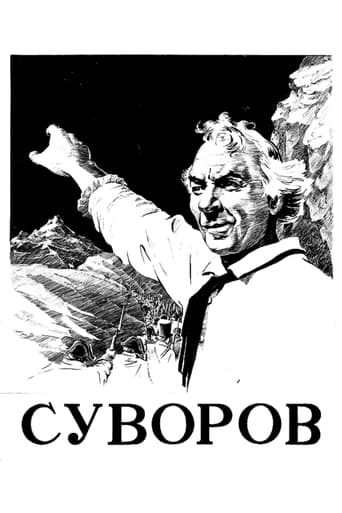
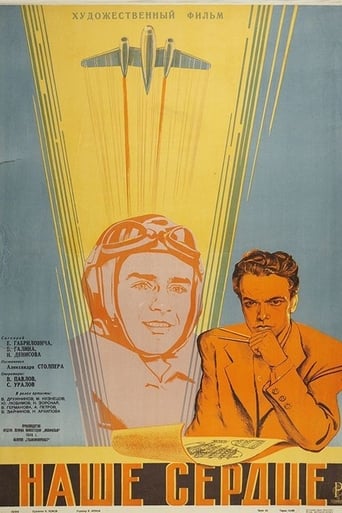
Soviet character actor: the pivotal years of Soviet cinema from the late 1930s through the 1940s. Born in 1904, he emerged as a prominent supporting actor during the Stalinist era, specializing in portraying historical figures and military commanders in epic historical dramas. Khanov's breakthrough came with his role in Vsevolod Pudovkin's 'Minin and Pozharsky' (1939), where he demonstrated his ability to embody historical gravitas and national pride. His collaboration with director Pudovkin continued with 'General Suvorov' (1941), cementing his reputation as the go-to actor for authoritative, patriarchal roles in Soviet cinema. During World War II, Khanov contributed to the war effort through his film work, appearing in propaganda films that bolstered Soviet morale. After the war, he continued his career with 'Our Heart' (1946), though his film output decreased in the following decades as he transitioned more toward theater work. Khanov's legacy remains tied to his contributions to Soviet historical cinema, where his performances helped shape the visual representation of Russian national heroes for generations of Soviet audiences.
The Craft
On Screen
Khanov was known for his commanding screen presence and ability to embody historical authority with authentic gravitas. His acting style was rooted in the Stanislavski system, emphasizing psychological realism combined with the theatrical grandeur required for historical epics. He possessed a deep, resonant voice and imposing physical presence that made him ideal for portraying military leaders and patriarchal figures. Khanov's performances were characterized by meticulous attention to historical detail and a subtle intensity that conveyed both strength and wisdom.
Milestones
- Breakthrough role in 'Minin and Pozharsky' (1939)
- Collaboration with director Vsevolod Pudovkin
- Portrayal of historical figures in Soviet epics
- Post-war drama 'Our Heart' (1946)
Best Known For
Iconic Roles
Must-See Films
Accolades
Won
- Honored Artist of the RSFSR (1947)
Nominated
- Stalin Prize nomination for 'General Suvorov' (1941)
Special Recognition
- Order of the Red Banner of Labour (1944)
- Medal 'For the Defence of Moscow' (1944)
- Medal 'For Valiant Labour in the Great Patriotic War 1941–1945' (1945)
Working Relationships
Worked Often With
Studios
Why They Matter
Impact on Culture
Aleksandr Khanov played a significant role in shaping the visual representation of Russian historical heroes during a crucial period of Soviet cinema. His performances in historical epics contributed to the creation of a national cinematic mythology that celebrated Russian military prowess and historical greatness. Khanov's portrayal of figures like those in 'Minin and Pozharsky' helped establish archetypes of Russian heroism that would influence Soviet filmmaking for decades. His work during World War II served as important cultural propaganda, reinforcing national unity and historical continuity during a time of crisis. Khanov's performances demonstrated how cinema could be used to educate and inspire Soviet audiences about their national heritage.
Lasting Legacy
Aleksandr Khanov's legacy endures through his contributions to Soviet historical cinema and his influence on subsequent generations of actors specializing in historical roles. His performances remain reference points for understanding how Soviet cinema interpreted and presented national history. Khanov helped establish a tradition of historically authentic performances in Russian film that continues to influence contemporary Russian historical dramas. His collaborations with prominent directors like Pudovkin represent some of the finest examples of Soviet historical filmmaking from the 1930s and 1940s. Though less internationally known than some of his contemporaries, Khanov's work remains significant within the canon of Russian cinema history.
Who They Inspired
Khanov influenced subsequent generations of Soviet and Russian actors through his methodical approach to historical character development. His ability to combine psychological depth with historical authenticity set a standard for historical performances in Russian cinema. Younger actors studying historical roles often referenced Khanov's work as an example of how to balance theatrical grandeur with believable human emotion. His collaborations with Pudovkin also influenced how directors approached historical epics, emphasizing the importance of casting actors who could embody the weight of historical significance.
Off Screen
Aleksandr Khanov maintained a relatively private personal life, focusing primarily on his craft and contributions to Soviet theater and cinema. He was married to fellow actress Elena Khanova, with whom he had two children. His family was deeply involved in the Moscow artistic community, with both children pursuing careers in the performing arts. Despite the political pressures of the Stalinist era, Khanov managed to avoid major controversies and maintained a respectable reputation within the Soviet cultural establishment.
Education
Graduated from the State Institute of Theatre Arts (GITIS) in Moscow, 1928
Family
- Elena Khanova (1930-1979)
Did You Know?
- Was originally trained as a stage actor before transitioning to film
- Spent several years performing in provincial theaters before his film breakthrough
- His role in 'General Suvorov' was particularly praised by Soviet critics for historical accuracy
- Khanov — close friend of fellow actor Nikolai Cherkasov
- During WWII, he performed for soldiers at the front lines alongside other prominent Soviet actors
- Was known for his extensive research into historical characters before portraying them
- His deep voice made him a popular choice for radio dramas and historical documentaries
- Khanov taught acting at the Moscow Art Theatre School in his later years
- He was a member of the Communist Party, which was nearly mandatory for prominent Soviet artists
- His final film appearance was in an uncredited role in 1955, after which he focused entirely on theater
In Their Own Words
'To play a historical figure is not merely to imitate, but to understand the soul of another time'
When asked about his method: 'The past lives in us, we must only learn to listen to it'
On working with Pudovkin: 'He taught me that the camera sees not just the face, but the history behind it'
Frequently Asked Questions
Who was Aleksandr Khanov?
Soviet character with credits in this catalog. He worked closely with director Vsevolod Pudovkin and became recognized for his authoritative screen presence and historically authentic performances.
What films is Aleksandr Khanov best known for?
Titles linked here include Minin and Pozharsky (1939), General Suvorov (1941).
When was Aleksandr Khanov born and when did he die?
Born April 27, 1904; died September 23, 1979.
What awards did Aleksandr Khanov win?
Khanov was named Honored Artist of the RSFSR in 1947 and received several state honors including the Order of the Red Banner of Labour and medals for his contributions during World War II. He was also nominated for a Stalin Prize for his performance in 'General Suvorov'.
What was Aleksandr Khanov's acting style?
Khanov's acting style combined the psychological realism of the Stanislavski system with the theatrical grandeur required for historical epics. He was known for his commanding presence, deep voice, and meticulous research into historical characters, creating performances that were both authentic and emotionally resonant.