No Poster
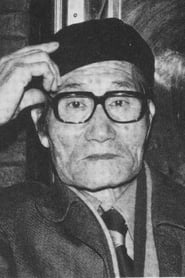
Mitsuyo Seo
Director
Born: September 28, 1911 in Tokyo, Japan Died: August 24, 2010 Active: 1930s-1960s
Films
1 film
About Mitsuyo Seo
Japanese animator and film director who in the early development of Japanese animation during the 1930s and 1940s. He began his career working at various animation studios in Japan, developing his skills during the formative years of the industry. Seo gained prominence for his work on propaganda films during World War II, creating some of the earliest feature-length animated films in Japan. His most celebrated works include 'Momotaro's Sea Eagles' (1943) and 'Momotaro's Divine Sea Warriors' (1945), which were commissioned by the Japanese government to boost morale during the war. After World War II, Seo continued to work in animation but shifted away from propaganda content, focusing on more family-oriented themes. His technical innovations and storytelling techniques influenced subsequent generations of Japanese animators, contributing to the foundation of what would later become the anime industry. Seo's several decades, though his most significant contributions came during the wartime period when he was at the height of his creative powers.
The Craft
Behind the Camera
Seo's directing style was characterized by innovative animation techniques and strong narrative storytelling. He incorporated elements of traditional Japanese art and culture into his work, creating a unique visual aesthetic. His wartime films featured bold, dynamic action sequences and patriotic themes, using animation as a powerful medium for propaganda. Seo was known for his attention to detail and ability to convey complex emotions through animated characters. His work demonstrated early mastery of cinematic techniques including camera movement, perspective, and visual storytelling that would later become hallmarks of Japanese animation.
Milestones
- Directed 'The Quack Infantry Troop' (1940)
- Created Japan's first feature-length animated film 'Momotaro's Sea Eagles' (1943)
- Directed 'Momotaro's Divine Sea Warriors' (1945), the first Japanese animated feature film with sound
- Pioneered animation techniques that influenced future anime directors
- Worked during the golden age of Japanese propaganda animation
Best Known For
Must-See Films
Accolades
Special Recognition
- Recognized as a pioneer of Japanese animation
- Posthumously acknowledged for his contributions to anime history
Working Relationships
Worked Often With
Studios
Why They Matter
Impact on Culture
Mitsuyo Seo's work represents a crucial chapter in the development of Japanese animation, particularly during the wartime period when animation was used as a tool for national propaganda. His films, especially the Momotaro series, demonstrated the potential of animation as a medium for complex storytelling and emotional impact. The technical innovations and artistic techniques he developed influenced subsequent generations of Japanese animators. His work helped establish animation as a serious art form in Japan, paving the way for the post-war anime boom. The themes and visual styles he explored, particularly in his propaganda work, reflected and shaped Japanese cultural attitudes during a critical historical period.
Lasting Legacy
Mitsuyo Seo is remembered as one of the foundational figures in Japanese animation history. His creation of the first feature-length animated films in Japan established important precedents for the industry. The techniques he developed in character design, motion, and storytelling influenced countless animators who followed. His wartime propaganda films, while controversial in their purpose, demonstrated sophisticated animation capabilities that rivaled contemporary work from Disney and other international studios. Seo's career illustrates how animation can serve both artistic and political purposes, and his work remains studied by film historians and animation scholars for its historical significance and technical achievements.
Who They Inspired
Seo's influence on Japanese animation is profound, particularly in the technical aspects of feature-length production. His work demonstrated that Japanese studios could produce animated features of comparable quality to Western productions. The visual storytelling techniques he developed influenced later anime directors, including pioneers like Osamu Tezuka. His approach to blending traditional Japanese cultural elements with modern animation techniques became a hallmark of the anime style. The success of his feature films proved the commercial viability of animated features in Japan, encouraging investment in the industry during the post-war period.
Off Screen
Mitsuyo Seo lived through. His career was deeply intertwined with the political climate of his time, particularly during the war years when he created government-commissioned propaganda films. After the war, Seo adapted to the changing cultural landscape and continued working in animation, though with less prominence than during his wartime period. He lived to be nearly 99 years old, witnessing the evolution of Japanese animation from its early days to the global phenomenon it would become.
Education
Limited formal education in animation was available during his early years; he learned primarily through apprenticeship and practical experience in the emerging Japanese animation industry
Did You Know?
- 'Momotaro's Divine Sea Warriors' (1945) was the first Japanese animated feature film with sound
- His wartime films were considered lost for decades but were later rediscovered and restored
- Seo worked under the direction of the Japanese Naval Ministry during WWII
- His films were shown to both domestic audiences and in occupied territories as propaganda
- The character Momotaro he animated is based on a traditional Japanese folk hero
- His animation techniques were studied by post-war animators who would create the first anime TV series
- Seo's work predates what is commonly considered the 'golden age' of anime by several decades
- His films were among the first to use animation for political propaganda in Japan
- Despite their propaganda purpose, his films are noted for their technical innovation and artistic merit
- Seo lived to see anime become a global cultural phenomenon, building on foundations he helped establish
Frequently Asked Questions
Who was Mitsuyo Seo?
Japanese animator and on YTB.my. He is best known for his wartime propaganda films, particularly the Momotaro series, which demonstrated sophisticated animation techniques and helped establish the foundation for the Japanese anime industry.
What films is Mitsuyo Seo best known for?
Titles linked here include The Quack Infantry Troop (1940), Momotaro's Sea Eagles (1943).
When was Mitsuyo Seo born and when did he die?
Born September 28, 1911; died August 24, 2010.
What awards did Mitsuyo Seo win?
While Mitsuyo Seo did not receive major formal awards during his lifetime, he is posthumously recognized as a pioneer of Japanese animation. His historical significance and technical innovations have earned him a place in animation history, though formal recognition came primarily from film historians and animation scholars rather than contemporary award organizations.
What was Mitsuyo Seo's directing style?
Seo's directing style combined innovative animation techniques with strong narrative storytelling, incorporating traditional Japanese cultural elements and art styles. His work featured dynamic action sequences, attention to visual detail, and sophisticated use of cinematic techniques like camera movement and perspective. During his wartime period, his style emphasized patriotic themes and emotional appeal to support propaganda objectives.