
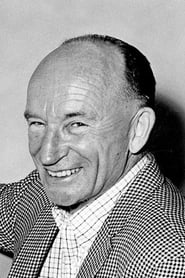
Robert Stevenson
Director
Born: March 31, 1905 in Buxton, Derbyshire, England Died: April 30, 1986 Active: 1932-1975
Films
1 film
About Robert Stevenson
British film director: over four decades across both British and American cinema. Born in Buxton, Derbyshire, he began his career in the 1930s working for Gaumont British Studios, where he developed his craft directing films like 'Evergreen' (1934) and 'The Man Who Knew Too Much' (1934). During World War II, he served in the British Army's film unit before relocating to Hollywood in the 1940s. His American period began with films like 'Dishonored Lady' (1947) starring Hedy Lamarr, showcasing his ability to handle sophisticated melodramas. Stevenson found his greatest success at Walt Disney Productions in the 1960s and 1970s, directing beloved family classics including 'Mary Poppins' (1964), which earned him an Academy Award nomination for Best Director. His filmmaking style emphasized visual storytelling, technical innovation, and the ability to work seamlessly across genres from psychological thrillers to musical fantasies. Stevenson retired in the mid-1970s after directing over 50 films, leaving behind a diverse and influential body of work that continues to entertain audiences worldwide.
The Craft
Behind the Camera
Robert Stevenson was known for his versatile directing style that could adapt to various genres, from psychological thrillers to family musicals. He had a keen eye for visual composition and technical innovation, particularly evident in his Disney work where he seamlessly blended live-action with animation. Stevenson emphasized clear storytelling and pacing, ensuring his films were both entertaining and accessible to wide audiences. His direction of actors was marked by his ability to draw strong performances while maintaining the overall visual and narrative cohesion of his films.
Milestones
- Directed the British classic 'The Man Who Knew Too Much' (1934)
- Directed 'Dishonored Lady' (1947) starring Hedy Lamarr
- Directed the Academy Award-winning 'Mary Poppins' (1964)
- Directed Disney hits 'The Love Bug' (1968) and 'Bedknobs and Broomsticks' (1971)
- Received Academy Award nomination for Best Director for 'Mary Poppins'
- Served in the British Army Film Unit during World War II
Best Known For
Must-See Films
Accolades
Won
- Golden Globe for Best Director (1965) for Mary Poppins
- Directors Guild of America Award for Outstanding Directorial Achievement (1965) for Mary Poppins
Nominated
- Academy Award nomination for Best Director (1965) for Mary Poppins
- BAFTA nomination for Best Film (1965) for Mary Poppins
- Directors Guild of America Award nomination (1962) for The Absent-Minded Professor
Special Recognition
- Hollywood Walk of Fame star at 6670 Hollywood Boulevard
- Disney Legend Award (posthumous inductee)
Working Relationships
Worked Often With
Studios
Why They Matter
Impact on Culture
Robert Stevenson significantly shaped family entertainment during the Disney golden age, creating films that became cultural touchstones for generations. His work on 'Mary Poppins' revolutionized the blending of live-action and animation, setting new technical standards that influenced countless subsequent films. Stevenson's ability to direct across genres demonstrated the versatility possible in studio filmmaking, from sophisticated adult dramas like 'Dishonored Lady' to whimsical family adventures. His films consistently addressed themes of family, imagination, and the triumph of ordinary people, resonating with audiences worldwide and helping define the Disney brand during its most influential period.
Lasting Legacy
Robert Stevenson's legacy endures through his timeless films that continue to entertain and inspire new generations. As one of Disney's most reliable and successful directors, he helped establish the studio's reputation for quality family entertainment during its golden age. His technical innovations in combining live-action with animation paved the way for future filmmakers, while his storytelling approach emphasized universal themes that transcend cultural boundaries. Stevenson's diverse filmography, ranging from British psychological thrillers to American family classics, demonstrates his remarkable adaptability and artistic range, cementing his place as one of cinema's most versatile and accomplished directors.
Who They Inspired
Stevenson influenced numerous directors who followed, particularly in the family entertainment genre, through his masterful blend of technical innovation and heartfelt storytelling. His work at Disney established templates for successful family films that balanced entertainment value with emotional depth. Directors like Robert Zemeckis and Brad Bird have cited the technical achievements of Stevenson's Disney films as inspiration for their own work combining live-action and animation. His ability to work across genres and maintain consistent quality throughout his career has served as a model for directors seeking longevity and versatility in the film industry.
Off Screen
Robert Stevenson was married twice during his lifetime. His first marriage was to actress Anna Lee, with whom he had two children. The marriage ended in divorce in 1944. He later married Ursula Jeans, a British actress, in 1946. Stevenson was known for being a private individual who kept his personal life largely out of the public eye, focusing instead on his professional work and artistic contributions to cinema.
Education
Educated at Cambridge University where he studied literature and developed his interest in filmmaking
Family
- Anna Lee (1934-1944)
- Ursula Jeans (1946-1973)
Did You Know?
- Directed both the original 1934 version and was considered for the 1956 remake of 'The Man Who Knew Too Much'
- Served in the British Army's film unit during World War II, making training and propaganda films
- Was one of the few directors to successfully transition from British cinema to Hollywood stardom
- His film 'Mary Poppins' was the first Disney film to receive a Best Picture Oscar nomination
- Directed four different films that featured sequences combining live-action and animation
- Was married to actress Anna Lee, who later appeared in 'The Sound of Music' and 'General Hospital'
- His daughter Caroline became a successful film editor in Hollywood
- Worked with Alfred Hitchcock early in his career at Gaumont British
- Was the first director to win the Golden Globe for Best Director for a Disney film
- Directed over 50 films during his career spanning four decades
In Their Own Words
The secret to making a good family film is to never talk down to children. They're smarter than most adults give them credit for.
Every film, whether it's a psychological thriller or a musical fantasy, must begin with a good story. Everything else is secondary.
Working at Disney taught me that magic in films comes from combining technical skill with genuine emotion.
The challenge of directing is finding the balance between your artistic vision and what the audience wants to see.
Frequently Asked Questions
Who was Robert Stevenson?
British on YTB.my. He is best known for directing Disney classics like 'Mary Poppins' and 'The Love Bug,' as well as earlier British films like 'The Man Who Knew Too Much' and Hollywood dramas including 'Dishonored Lady.'
What films is Robert Stevenson best known for?
Titles linked here include The Man Who Knew Too Much (1934), Dishonored Lady (1947).
When was Robert Stevenson born and when did he die?
Born March 31, 1905; died April 30, 1986.
What awards did Robert Stevenson win?
Robert Stevenson won the Golden Globe for Best Director for 'Mary Poppins' in 1965 and the Directors Guild of America Award for Outstanding Directorial Achievement for the same film. He received an Academy Award nomination for Best Director for 'Mary Poppins' and has a star on the Hollywood Walk of Fame.
What was Robert Stevenson's directing style?
Stevenson was known for his versatile directing style that could adapt to various genres, from psychological thrillers to family musicals. He emphasized visual storytelling, technical innovation, and clear pacing. His Disney work showcased his ability to seamlessly blend live-action with animation while maintaining emotional depth and broad audience appeal.