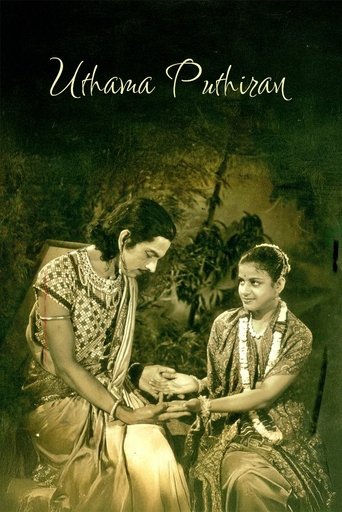
Films
1 film
About Kaaka Radhakrishnan
The 1940 film Uthama Puthiran is the only title linked here for Kaaka Radhakrishnan. His known filmography consists of the 1940 Tamil film 'Uthama Puthiran,' which was one of the early productions in the burgeoning Tamil film industry. Like many actors of this era, Radhakrishnan likely came from a theatrical background, as was common for early Indian cinema performers who transitioned from stage to screen. The nickname 'Kaaka' (meaning 'crow' in Tamil) suggests he may have been known for playing specific character types or had distinctive physical characteristics that earned him this moniker. His brief appearance in the film industry during 1940 coincides with a period when Tamil cinema was establishing its unique identity and moving away from theatrical conventions toward more cinematic storytelling. Unfortunately, detailed records about early character actors from this period are scarce, making it difficult to trace his complete career trajectory or personal background.
The Craft
Milestones
- Appeared in Uthama Puthiran (1940) during the early era of Tamil talkies
Best Known For
Must-See Films
Why They Matter
Impact on Culture
Kaaka Radhakrishnan represents the countless character actors and supporting performers who formed the backbone of early Tamil cinema but whose contributions have largely been lost to history. His appearance in 'Uthama Puthiran' (1940) places him among the pioneers who helped establish Tamil cinema's foundation during its transition from silent films to talkies. These early actors, though often uncredited or minimally documented, were essential in creating the cinematic language and performance styles that would define Tamil films for decades to come. The scarcity of information about performers like Radhakrishnan highlights the need for better preservation of film history, particularly regarding the contributions of supporting actors who were crucial to the success of early Indian cinema.
Lasting Legacy
While Kaaka Radhakrishnan's individual legacy may be difficult to trace due to limited documentation, he is part of the broader legacy of early Tamil cinema pioneers who laid the groundwork for one of India's most prolific film industries. His work in 1940 represents a crucial period when Tamil cinema was developing its unique identity and moving away from direct adaptations of stage plays. The existence of actors like Radhakrishnan demonstrates the professionalization of the film industry even in its earliest days, with specialized performers taking on character roles that added depth and authenticity to early films.
Who They Inspired
Due to the limited documentation of Kaaka Radhakrishnan's career and performances, his direct influence on subsequent generations of actors cannot be definitively established. However, as part of the first generation of Tamil talkie actors, he contributed to establishing performance conventions and character archetypes that would influence Tamil cinema for decades. Early character actors like Radhakrishnan helped create the template for supporting roles in Indian films, balancing comic relief, dramatic tension, and narrative advancement within limited screen time.
Off Screen
Very limited information is available about Kaaka Radhakrishnan's personal life, which is typical for character actors from early Tamil cinema. Many performers from this era came from humble backgrounds and their personal details were not extensively documented in film archives or press coverage of the time.
Did You Know?
- The nickname 'Kaaka' (crow) in Tamil cinema often indicated actors who played specific character types or had distinctive appearances
- Uthama Puthiran (1940) was one of the early Tamil films during the transition period from silent cinema to talkies
- Many early Tamil actors came from theatrical backgrounds, as stage experience was considered valuable for film acting
- Character actors from the 1940s often played multiple roles in single films due to smaller cast sizes
- Early Tamil cinema frequently reused successful character actors across multiple productions
- The 1940s was a decade when Tamil cinema began establishing its unique identity separate from stage traditions
Frequently Asked Questions
Who was Kaaka Radhakrishnan?
Screen credits include the 1940 film 'Uthama Puthiran.' He was active during the formative years of Tamil talkies and represents the many character actors who contributed to early Indian cinema but whose detailed histories have been largely lost to time.
What films is Kaaka Radhakrishnan best known for?
Titles linked here include Uthama Puthiran (1940).
When was Kaaka Radhakrishnan born and when did he die?
Specific birth and death dates for Kaaka Radhakrishnan are not available in documented film archives, which is common for supporting actors from early Tamil cinema. His known activity was limited to the year 1940.
What awards did Kaaka Radhakrishnan win?
No documented awards or recognitions for Kaaka Radhakrishnan are available, which is typical for character actors from early Indian cinema when formal award systems were not yet established in the film industry.
What was Kaaka Radhakrishnan's acting style?
While specific details about his acting style are not documented, actors from early Tamil cinema typically brought theatrical techniques to their film performances, with exaggerated expressions and gestures that were common in the transition from stage to screen.
Why is information about Kaaka Radhakrishnan so limited?
Information about Kaaka Radhakrishnan is limited because early Tamil cinema documentation was often poor, especially for character actors and supporting performers. Many archives from this period have been lost, and press coverage typically focused on lead actors and directors rather than the full cast.