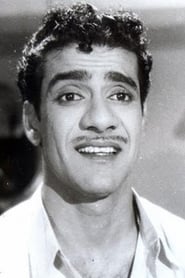
J. P. Chandrababu
Actor
Born: January 5, 1927 in Rangoon, Burma (now Yangon, Myanmar) Died: March 8, 1974 Active: 1949-1974 Birth Name: Joseph Panimayadas Chandrababu
Films
1 film
About J. P. Chandrababu
Joseph Panimayadas Chandrababu (1927-1974) was a Tamil film comedian and actor who revolutionized comedy in South Indian cinema during the Golden Age of Tamil films. Born in Rangoon, Burma, he moved to India after World War II and began his film career in the late 1940s, quickly establishing himself as sought-after comedians in the industry. Chandrababu was not just an actor but a multi-talented performer who could sing, dance, and deliver comedy with impeccable timing, often performing his own songs in films. He worked with virtually every major star of his era, including Sivaji Ganesan, M.G. Ramachandran, and Gemini Ganesan, becoming an indispensable part of Tamil cinema's success formula. His unique style combined slapstick comedy with sophisticated wordplay and musical performances, making him a complete entertainer. Despite his immense popularity and contribution to over 100 films, Chandrababu faced financial difficulties in his later years and died in relative obscurity, though his legacy has been posthumously recognized as that of a comedy genius who shaped Tamil cinema.
The Craft
On Screen
Chandrababu's acting style was a unique blend of physical comedy, witty dialogue delivery, and musical performance. He was known for his expressive face, impeccable timing, and ability to switch between slapstick and sophisticated comedy seamlessly. His comedy was often character-driven, creating memorable personas that audiences loved. Unlike many comedians of his era, he brought dignity to his roles while maintaining humor, never resorting to cheap tactics. His background in music and dance allowed him to incorporate these elements into his performances, making him a complete entertainer.
Milestones
- Debut in 'Velaikari' (1949)
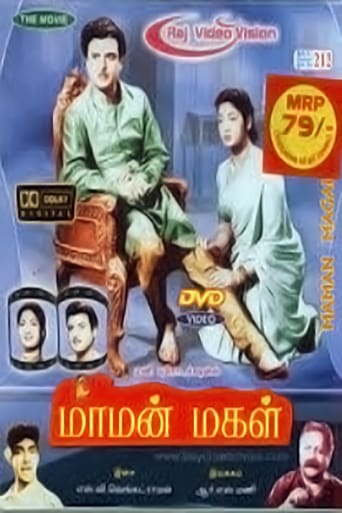
- Breakthrough role in 'Maman Magal' (1955)
- Iconic performance in 'Thiruvilayadal' (1965)
- Comedy partnership with Nagesh in several films
- Pioneered musical comedy in Tamil cinema
- Worked with legendary directors like A.P. Nagarajan
- Performed in over 100 films in a career spanning 25 years
Best Known For
Iconic Roles
Must-See Films
Accolades
Won
- Tamil Nadu State Film Award for Best Comedian (posthumously recognized)
Nominated
- Filmfare Award nominations for Best Comedian in multiple films
Special Recognition
- Remembered as one of the greatest comedians in Tamil cinema history
- Postal stamp issued in his honor by Government of India
- Annual comedy awards named after him in Tamil Nadu
Working Relationships
Worked Often With
Studios
Why They Matter
Impact on Culture
Chandrababu fundamentally transformed comedy in Tamil cinema by elevating it from mere comic relief to an integral part of storytelling. He broke away from the traditional clown archetype and created sophisticated comedic characters that could carry substantial narrative weight. His ability to blend comedy with music and dance influenced the entire structure of Tamil films, making musical comedy sequences a staple of the industry. Chandrababu's work also reflected the social changes of post-independence India, using comedy to comment on social issues while entertaining audiences. His success proved that comedians could be major stars in their own right, paving the way for future generations of comic actors in Indian cinema.
Lasting Legacy
Chandrababu's legacy endures as that of a pioneer who brought dignity and sophistication to comedy in Tamil cinema. Despite dying in obscurity, he is now recognized as. His style of comedy, combining wit, music, and physical humor, became a template for future comedians. Many of his comedy sequences are still studied by film students and referenced in contemporary cinema. The Tamil film industry has posthumously honored him with various awards and recognitions, including the naming of comedy awards in his memory. His life story has become a cautionary tale about the precarious nature of fame in the film industry, while his artistic achievements continue to inspire new generations of performers.
Who They Inspired
Chandrababu influenced an entire generation of Tamil comedians, most notably Nagesh, who became his successor as the leading comedy actor in Tamil cinema. His integration of music and comedy influenced how musical sequences were conceptualized in Tamil films. Directors and writers began creating more substantial comedic roles following his success. His ability to balance humor with emotion influenced how supporting characters were developed in Indian cinema. Even contemporary comedians in Tamil cinema reference his work and style, proving the timelessness of his contributions to the art of film comedy.
Off Screen
Chandrababu's personal life was marked by both professional success and personal struggles. He married twice, first to actress Sowcar Janaki's sister, and later to another woman after his first marriage ended. He had several children who struggled to maintain his legacy after his death. Despite his popularity and success in films, Chandrababu faced severe financial difficulties in his later years, partly due to his generous nature and poor financial management. He lived his final years in relative poverty and obscurity, a stark contrast to his glorious days as one of Tamil cinema's highest-paid comedians. His death at the age of 47 went largely unnoticed by the industry he had served so faithfully.
Education
Limited formal education due to early displacement from Burma; learned through practical experience in theatre and films
Family
- First wife (1950s-1960s)
- Second wife (1960s-1974)
Did You Know?
- Born in Burma but became a legendary figure in Tamil cinema
- Could sing, dance, and act - a rare triple threat in his era
- Often performed his own songs in films before playback singing became dominant
- Was one of the highest-paid actors in Tamil cinema during his peak
- His comedy style was influenced by Charlie Chaplin and Laurel & Hardy
- Despite being a comedian, he had a serious side and was well-read
- Financial troubles in later years led to him selling his awards and memorabilia
- His death went largely unnoticed by the film industry he had served
- Posthumously received recognition when his contributions were re-evaluated
- His real name Joseph reflected his Christian background in a predominantly Hindu industry
In Their Own Words
"Comedy is not just about making people laugh, it's about making them think while they laugh"
"A comedian should be the conscience of the film, not just its comic relief"
"Music and comedy are two sides of the same coin - both touch the heart"
Frequently Asked Questions
Who was J. P. Chandrababu?
Legendary Tamil film with credits in this catalog. Born Joseph Panimayadas Chandrababu in Burma, he became.
What films is J. P. Chandrababu best known for?
Titles linked here include Maman Magal (1955), Thiruvilayadal (1965).
When was J. P. Chandrababu born and when did he die?
Born January 5, 1927; died March 8, 1974.
What awards did J. P. Chandrababu win?
During his lifetime, Chandrababu received limited formal recognition, but he was posthumously honored with the Tamil Nadu State Film Award for Best Comedian. The Tamil film industry has also established comedy awards in his name, and the Government of India issued a postal stamp in his honor to recognize his contributions to cinema.
What was J. P. Chandrababu's acting style?
Chandrababu's acting style was a sophisticated blend of physical comedy, witty dialogue delivery, and musical performance. He was known for his expressive face, impeccable timing, and ability to create memorable comedic characters that had depth beyond just humor. His style influenced generations of comedians in Tamil cinema.
How did J. P. Chandrababu influence Tamil cinema?
Chandrababu transformed comedy in Tamil cinema by elevating it from mere comic relief to an integral part of storytelling. He proved that comedians could be major stars, created sophisticated comedic characters, and pioneered the integration of music and comedy. His work influenced how supporting characters were developed and how musical sequences were conceptualized in Tamil films.
Why did J. P. Chandrababu die in poverty despite his success?
Despite being one of the highest-paid actors in Tamil cinema during his peak, Chandrababu died in poverty due to a combination of poor financial management, his generous nature, changing industry dynamics, and possibly exploitation by some producers. His story is often cited as an example of the precarious nature of fame in the film industry.
What was J. P. Chandrababu's real name?
J. P. Chandrababu's real name was Joseph Panimayadas Chandrababu, reflecting his Christian background. The 'J. P.' in his stage name stood for Joseph Panimayadas, though he was universally known and remembered simply as Chandrababu in Tamil cinema.