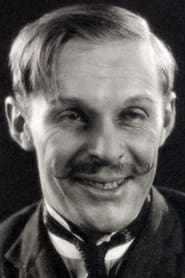
Boris de Fast
Actor
- Active
- 1924-1924
Films 1
About Boris de Fast
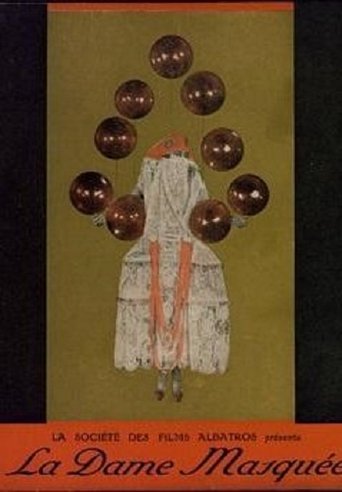
Boris de Fast was a little-documented actor of the silent-film era whose screen work appears to have been concentrated in the mid-1920s. He is credited in the 1924 French film La dame masquée, which places him within the international silent-cinema world at a time when European productions often circulated across borders and employed multinational casts. Beyond this surviving screen credit, his career remains obscure in standard film-reference sources, suggesting that he may have worked only briefly in film or that much of his professional record has been lost to time. Because the available evidence is so limited, it is not possible to reconstruct a full performance biography with confidence, nor to verify later stages of his life or career. His name is preserved primarily through filmographies and archival listings rather than through extensive publicity, interviews, or contemporary star promotion. In that sense, Boris de Fast is representative of many early cinema performers whose contributions are known mainly through surviving credits and the historical record of a few films. Further archival research in French, European, or trade-paper sources would be needed to establish a more complete account of his life.
More about Boris de Fast
In film history
Boris de Fast's cultural impact lies less in stardom than in what his surviving credit represents: the large, partially lost universe of silent-era performers whose work formed the fabric of early cinema. Even actors with only a few documented roles contributed to the production ecology of the 1920s, when films were made quickly, international casts were common, and many performers did not leave extensive publicity trails. His name in La dame masquée helps preserve the historical memory of a specific moment in French silent filmmaking. For researchers and database users, such names are important evidence of the breadth and diversity of early screen personnel, even when detailed biographies have not survived. His legacy is therefore archival as much as artistic, reminding modern audiences that film history is shaped not only by major stars but also by the many lesser-known performers who appeared in now-obscure works.
Later reputation
Boris de Fast's lasting legacy is his inclusion in the historical record of silent cinema, where even a single verified credit can be significant. He stands as one of the numerous early film actors whose careers are only partially recoverable, making him a subject of interest to archivists, historians, and database curators. The endurance of his name in film listings ensures that he remains part of the documented personnel of early French cinema. In a broader sense, his legacy underscores the fragility of early film history and the importance of preserving cast records, trade publications, and distribution materials. While he does not appear to have achieved major stardom or left a widely documented body of work, his presence in surviving filmographies contributes to a fuller understanding of silent-era production.
Influence
There is no verifiable evidence that Boris de Fast directly influenced later actors or filmmakers in a traceable way. His significance is instead indirect: he is part of the collective body of performers whose labor shaped acting norms in silent cinema, particularly the restrained, visually legible performance style required before synchronized sound. By participating in a 1924 production, he contributed to the tradition of European screen acting that influenced the development of film performance more generally. Any specific line of influence, however, cannot be responsibly asserted without additional archival documentation.
Off screen
No reliable biographical information about Boris de Fast's personal life has been located in standard classic-cinema reference materials. His family background, relationships, residence, and post-screen life are not currently verifiable from the available record. Because of the scarcity of documented evidence, any claims about marriages, descendants, or later occupations would be speculative and are therefore omitted.
Credits
- Screen credit in the 1924 silent film La dame masquée
- Documented participation in early European silent cinema
- Presence in historical film records despite a very sparse surviving biography
Roles
- Role in La dame masquée (1924) - specific character name not verified
Films
- La dame masquée (1924)
Notes
- Boris de Fast is primarily known today from a single surviving screen credit rather than from a well-documented star career.
- His known filmography places him in the silent era, specifically in 1924.
- La dame masquée is the only film credit confidently associated with him in the provided record.
- His name is preserved in film databases and historical listings, which is common for lesser-documented silent-era performers.
- No verified birth or death details are currently available in standard reference materials.
- Because his record is so sparse, he is of special interest to film historians studying incomplete silent-era documentation.
- He should not be confused with other performers or filmmakers with similar surnames or continental European names.
Questions
Who was Boris de Fast?
Boris de Fast was a silent-era actor best known from his credited appearance in the 1924 film La dame masquée. Very little biographical information about him survives in standard film references, so he is primarily known to historians through archival film listings.
What films is Boris de Fast best known for?
He is best known for La dame masquée (1924), which is the only confidently verified screen credit currently associated with him in the available record. Additional roles may exist in archival sources, but they are not securely documented here.
When was Boris de Fast born and when did he die?
His birth and death dates are not currently verified in the surviving reference material. Likewise, his birth place and other basic biographical details remain unavailable from standard classic-cinema sources.
What awards did Boris de Fast win?
No awards or nominations are currently documented for Boris de Fast in the available record. This is not unusual for minor or sparsely documented silent-era performers, whose careers were often not tracked in modern awards databases.
What was Boris de Fast's acting style?
No detailed descriptions of his acting style have survived in the accessible record. As a silent-era performer, he would have worked in a period that emphasized expressive gesture, facial clarity, and visual storytelling, but specific stylistic judgments about him cannot be verified.
What is Boris de Fast's legacy in film history?
His legacy is archival and historical: he is one of many early cinema performers whose names survive even when personal details do not. He helps document the breadth of silent-era casting and reminds researchers how much of early film culture remains fragmentary.