
Germaine Dermoz
Actor
Born: November 30, 1888 in Paris, France Died: November 6, 1966 Active: 1910-1935 Birth Name: Germaine Deluermoz
Films
1 film
About Germaine Dermoz
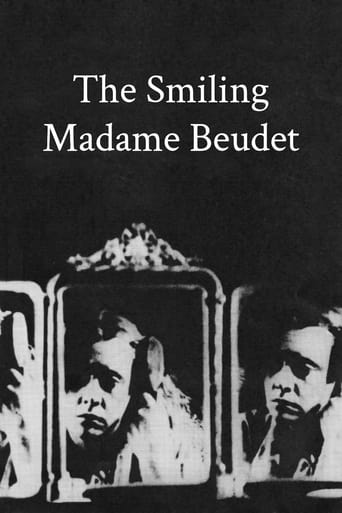
Germaine Dermoz, born Germaine Deluermoz, was a French actress who rose to prominence during the golden age of French silent cinema. Beginning her career in the early 1910s, she quickly established herself as a versatile performer capable of portraying both dramatic and comedic roles with equal skill. Her most celebrated performance came in 1923 when she starred as Madame Beudet in Germaine Dulac's feminist film 'The Smiling Madame Beudet,' a role that showcased her ability to convey complex emotions through subtle facial expressions and body language. Throughout the 1920s, she continued to work with prominent French directors, appearing in numerous productions that helped define the artistic direction of French cinema. As the industry transitioned to sound in the late 1920s and early 1930s, Dermoz successfully adapted her acting style and continued to appear in films, though with decreasing frequency as the decade progressed. Her approximately two decades, during which she appeared in over forty films and became one of the recognizable faces of French cinema during this transformative period. By the mid-1930s, she had largely retired from acting, leaving behind a legacy as one of the talented actresses who helped shape early French cinema.
The Craft
On Screen
Dermoz was known for her naturalistic acting style that was ahead of its time, particularly in her ability to convey complex emotions through subtle facial expressions and restrained gestures. Her performance in 'The Smiling Madame Beudet' demonstrated her mastery of the silent film medium, using minimal movement to express the character's inner turmoil and desires. Unlike many of her contemporaries who relied on exaggerated gestures typical of silent cinema, Dermoz brought a psychological depth to her roles that resonated with audiences and critics alike.
Milestones
- Starred in the influential feminist film 'The Smiling Madame Beudet' (1923)
- Worked with director Germaine Dulac
- Successfully transitioned from silent to sound films
- Appeared in over 40 films during her career
- Became one of the recognizable faces of French silent cinema
Best Known For
Iconic Roles
Must-See Films
Accolades
Special Recognition
- Recognized as a actress of French silent cinema
- Honored in retrospectives of French film history
Working Relationships
Worked Often With
Studios
Why They Matter
Impact on Culture
Germaine Dermoz made a significant contribution to French cinema, particularly through her role in 'The Smiling Madame Beudet,' which is now recognized as a landmark of feminist filmmaking. Her naturalistic acting style helped pave the way for more psychologically complex performances in French cinema, moving away from the theatrical gestures common in early silent films. The film itself, with Dermoz as its centerpiece, challenged conventional representations of women and marriage in cinema, making it an important work in film history and women's studies. Her ability to convey the character's inner life with such subtlety demonstrated the artistic potential of cinema as a medium for psychological storytelling. Though she was not as internationally famous as some of her contemporaries, Dermoz's work has been rediscovered and appreciated by film historians and scholars who recognize her contribution to the development of cinematic acting techniques.
Lasting Legacy
Germaine Dermoz's legacy lives on through her films, particularly 'The Smiling Madame Beudet,' which continues to be studied and screened in film courses and retrospectives worldwide. As one of the actresses who worked with female director Germaine Dulac, she represents an important collaboration between women in the early film industry. Her naturalistic acting style influenced subsequent generations of French actors, helping to establish a tradition of psychologically nuanced performances that would become a hallmark of French cinema. Film historians and feminist scholars continue to examine her work as an example of early cinematic representations of women's interior lives and desires. Though she may not be a household name today, her contribution to the art of film acting and to feminist cinema ensures her place in the history of cinema.
Who They Inspired
Dermoz's naturalistic acting approach influenced the evolution of film acting techniques in French cinema, helping to move away from theatrical gestures toward more subtle, psychologically grounded performances. Her work with Germaine Dulac demonstrated the potential for collaboration between actresses and female directors in a male-dominated industry, setting an example for future generations. The nuanced portrayal of female psychology in her most famous role influenced how subsequent filmmakers approached women's stories on screen. While she may not have directly mentored specific individuals who became famous, her body of work served as inspiration for actors seeking to bring depth and authenticity to their performances. Film scholars studying the development of cinematic acting often reference her performances as examples of early mastery of the silent film medium.
Off Screen
Germaine Dermoz was born into a middle-class Parisian family in the late 19th century. She chose her stage name by slightly modifying her birth name, Deluermoz, to Dermoz for professional purposes. Details about her personal life remain relatively private, as was common for actors of her era who maintained a separation between their public persona and private affairs. She spent her entire life in Paris, the cultural heart of France, and remained connected to the artistic community even after her retirement from acting.
Education
Limited information is available about her formal education, but it is likely she received theatrical training in Paris, which was the center of French performing arts education during her formative years.
Did You Know?
- Her birth name was Germaine Deluermoz, which she modified to Dermoz for her stage name
- She appeared in over 40 films during her career, though many are now lost
- Her most famous film 'The Smiling Madame Beudet' was directed by female filmmaker Germaine Dulac
- The film was considered avant-garde for its psychological approach and feminist themes
- Dermoz was part of a generation of French actors who successfully transitioned from silent to sound films
- She worked with several important figures of early French cinema including Marcel L'Herbier and Louis Delluc
- Her naturalistic acting style was considered innovative for the silent film era
- She spent her entire life in Paris, the cultural center of France
- Her career coincided with what many consider the golden age of French silent cinema
- Despite her contributions to early cinema, relatively little biographical information about her is available in English
In Their Own Words
While no direct quotes from Dermoz are widely documented, her performance in 'The Smiling Madame Beudet' spoke volumes about the constraints faced by women in early 20th century society, using the medium of silent film to express what could not be said aloud.
Frequently Asked Questions
Who was Germaine Dermoz?
French actress who was active during the silent film era and early sound period, best known for her role in the influential 1923 film 'The Smiling Madame Beudet.' She was recognized for her naturalistic acting style and her ability to convey complex emotions through subtle expressions, which was ahead of its time in silent cinema.
What films is Germaine Dermoz best known for?
Titles linked here include The Smiling Madame Beudet (1923), L'Homme du large (1920).
When was Germaine Dermoz born and when did she die?
Born November 30, 1888; died November 6, 1966.
What awards did Germaine Dermoz win?
While Germaine Dermoz did not receive major formal awards during her career, she has been posthumously recognized as a actress of French silent cinema. Her work, particularly in 'The Smiling Madame Beudet,' has been honored in retrospectives of French film history and is studied by film scholars today.
What was Germaine Dermoz's acting style?
Germaine Dermoz was known for her naturalistic acting style that was ahead of its time, particularly in her ability to convey complex emotions through subtle facial expressions and restrained gestures. Unlike many of her contemporaries who relied on exaggerated gestures typical of silent cinema, Dermoz brought psychological depth to her roles.
How did Germaine Dermoz impact French cinema?
Germaine Dermoz made a significant impact on French cinema through her naturalistic acting style and her role in the groundbreaking feminist film 'The Smiling Madame Beudet.' Her work helped demonstrate the artistic potential of cinema for psychological storytelling and influenced subsequent generations of French actors toward more nuanced performances.
Did Germaine Dermoz work with any notable directors?
Yes, Germaine Dermoz worked with several important figures of early French cinema, most notably female director Germaine Dulac. She also collaborated with directors Marcel L'Herbier and Louis Delluc, who were instrumental in developing the artistic direction of French cinema during the silent era.