Monte Montague
Actor
Born: April 23, 1888 in Somerset, Kentucky, USA Died: April 6, 1963 Active: 1920-1956 Birth Name: Walter H. Montague
Films
1 film
About Monte Montague
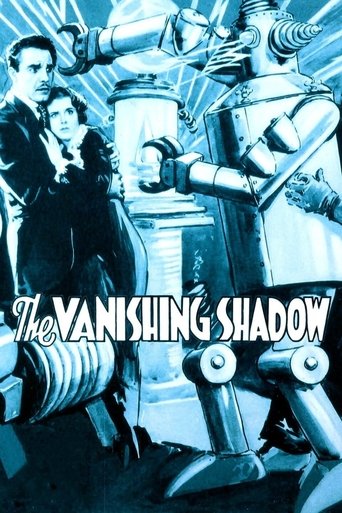
Prolific American character actor: the transition from silent films to sound cinema, with his most productive years occurring during the Golden Age of Hollywood. Born Walter H. Montague in Kentucky, he began his film career in the early 1920s, quickly establishing himself as a reliable supporting player, particularly in Westerns and adventure films. Throughout his career, which extended over three decades, Montague appeared in more than 200 films, often cast as villains, henchmen, or authority figures due to his stern features and imposing presence. He became a familiar face in B-movies and serials, including his role in the 1934 serial 'The Vanishing Shadow,' where he brought his characteristic intensity to the production. Montague's ability to convey menace and authority made him a favorite among directors of low-budget productions, and he worked consistently through the 1930s and 1940s, even as the film industry evolved. His career gradually wound down in the 1950s, though he continued to take on smaller roles until his retirement. Montague's extensive filmography represents a significant contribution to the fabric of classic American cinema, particularly in the Western genre.
The Craft
On Screen
Monte Montague was known for his commanding screen presence and ability to portray antagonistic characters with conviction. His acting style was rooted in the theatrical tradition of early cinema, with exaggerated gestures and facial expressions that translated well in silent films, which he successfully adapted to the sound era. Montague specialized in playing villains, henchmen, and authority figures, bringing a sense of menace and gravitas to each role. His physical stature and stern features made him particularly effective in Westerns, where he often portrayed corrupt officials, outlaw leaders, or rival ranchers. Despite often being typecast, Montague brought nuance to his characters, avoiding one-dimensional villainy and instead creating memorable antagonists that audiences loved to hate.
Milestones
- Film debut in silent era (1920)
- Transition to sound films successfully
- Appeared in over 200 films
- Regular performer in Western serials
- Notable role in 'The Vanishing Shadow' (1934)
- Consistent work through Golden Age of Hollywood
Best Known For
Iconic Roles
Must-See Films
Working Relationships
Worked Often With
Studios
Why They Matter
Impact on Culture
Monte Montague contributed significantly to the visual language of American cinema, particularly in the Western genre and serial formats that dominated popular entertainment during the Golden Age of Hollywood. As a character actor who appeared in hundreds of films, he helped establish the archetypes of villainy and antagonism that would define genre cinema for decades. His performances in serials like 'The Vanishing Shadow' were particularly influential, as these serialized adventures were among the most popular forms of entertainment during the 1930s and 1940s, reaching audiences across America. Montague's ability to create memorable characters within the constraints of B-movie productions demonstrated the artistry possible even in modest-budget filmmaking, inspiring future generations of character actors.
Lasting Legacy
Monte Montague's legacy lies in his extensive body of work that represents the backbone of classic Hollywood cinema—the reliable character actors who brought depth and authenticity to genre films. His more than 200 film appearances provide a valuable record of the evolution of American cinema from the silent era through the Golden Age. While never achieving stardom, Montague's consistent presence in Westerns and serials helped define the visual and narrative conventions of these genres. Film historians and classic cinema enthusiasts continue to appreciate his contributions to the fabric of American film history, particularly his role in establishing the template for the cinematic villain in Western and adventure films.
Who They Inspired
Monte Montague influenced subsequent generations of character actors through his demonstration of how to create memorable performances within the constraints of supporting roles. His ability to bring depth to villainous characters set a standard for antagonists in Western films and serials, influencing how these roles would be portrayed in cinema for decades. Younger actors observing Montague's work learned the importance of screen presence and character consistency, qualities that made him a valuable asset to directors across various studios. His successful transition from silent films to sound also provided a model for other actors facing the technological challenges of the early sound era.
Off Screen
Monte Montague led a relatively private life away from the Hollywood spotlight. He married and had a family, though details about his spouse and children remain limited in historical records. Unlike many of his contemporaries, Montague avoided the tabloid attention that often accompanied Hollywood careers, maintaining a professional reputation throughout his long tenure in the film industry. He was known among his colleagues as a reliable and hardworking actor who took his craft seriously, regardless of the size of his roles. After retiring from acting, Montague lived quietly in Los Angeles until his death in 1963 at the age of 74.
Education
Educational background not widely documented in historical records
Family
- Details not widely documented
Did You Know?
- Born Walter H. Montague but used Monte Montague as his professional name
- Appeared in over 200 films during his 36-year career
- Was particularly active in serial films, a popular format of the 1930s and 1940s
- Often played villains or antagonists, rarely the hero
- Worked with many Western stars including Gene Autry and Roy Rogers
- His active years covered the entire transition from silent films to sound
- Was a reliable character actor who directors could count on for consistent performances
- Appeared in films for virtually every major studio of the era
- His imposing physical presence made him ideal for villainous roles
- Continued working well into the 1950s when many of his contemporaries had retired
In Their Own Words
No widely documented quotes attributed to Monte Montague in historical records
Frequently Asked Questions
Who was Monte Montague?
Screen credits include over 200 films between 1920 and 1956, specializing in villainous roles in Westerns and serials during the Golden Age of Hollywood. Born Walter H. Montague, he was known for his imposing screen presence and ability to create memorable antagonists, particularly in B-movies and adventure serials like 'The Vanishing Shadow' (1934).
What films is Monte Montague best known for?
Titles linked here include The Vanishing Shadow (1934), The Oregon Trail (1936).
When was Monte Montague born and when did he die?
Born April 23, 1888; died April 6, 1963.
What awards did Monte Montague win?
Despite his extensive career and contributions to cinema, Monte Montague did not receive major industry awards or nominations. Like many character actors of his era, his recognition came primarily from consistent employment and the respect of his colleagues in the film industry rather than formal accolades.
What was Monte Montague's acting style?
Monte Montague's acting style was characterized by his commanding presence and ability to portray antagonistic characters with conviction. Rooted in the theatrical tradition of early cinema, he successfully adapted from the exaggerated expressions required for silent films to more nuanced performances in sound movies, specializing in villains, henchmen, and authority figures particularly in Westerns and serials.