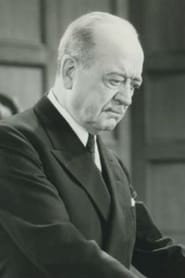
Walter Walker
Actor
Born: March 13, 1864 in New York City, USA Died: December 4, 1947 Active: 1890s-1938
Films
1 film
About Walter Walker
American character actor: over six decades, beginning on the theatrical stages of New York in the late 19th century. Born in New York City in 1864, he established himself as a reliable stage performer before making his Broadway debut in the 1915 production of 'Sinners'. Throughout the 1910s and 1920s, Walker balanced a prolific stage career with early film appearances, often portraying authoritative figures such as judges, doctors, and wealthy patriarchs. With the advent of sound cinema, he transitioned fully to Hollywood, appearing in nearly 100 films during the 1930s alone. His commanding presence and refined delivery made him a favorite for 'stuffed shirt' roles and dignified elders in major productions for studios like MGM and Warner Bros. He retired from the screen in 1938 and spent his final years in Hawaii, where he passed away in 1947 at the age of 83.
The Craft
On Screen
Walker was known for a dignified, authoritative acting style, often utilizing a formal vocal delivery suited to his frequent roles as judges, politicians, and high-society fathers. His stage background provided him with a precise command of dialogue, which allowed him to transition seamlessly from silent films to early sound cinema. He excelled at playing 'men of substance'—characters who were often the moral or social anchors of a scene, whether they were being portrayed as sternly traditional or kindly and wise.
Milestones
- Broadway debut in 'Sinners' (1915) written by Owen Davis
- Starred in the silent film 'American – That's All' (1917)
- Appeared in the original Broadway production of 'An American Tragedy' (1926)
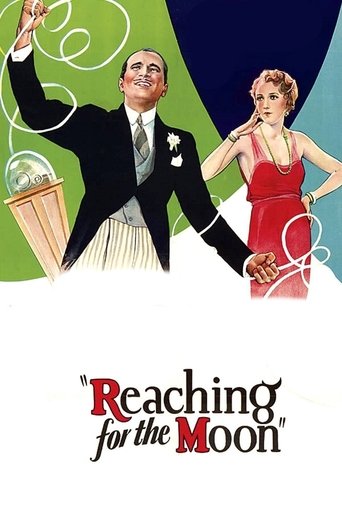
- Portrayed James Benton in the Douglas Fairbanks musical 'Reaching for the Moon' (1930)
- Cast as Benjamin Franklin in the lavish historical drama 'Marie Antoinette' (1938)
- Appeared in over 90 films during the first decade of the 'talkie' era
Best Known For
Iconic Roles
Must-See Films
Accolades
Special Recognition
- Recognized as a veteran of the 'Great White Way' for his extensive Broadway credits
Working Relationships
Worked Often With
Studios
Why They Matter
Impact on Culture
Walter Walker represented the bridge between the 19th-century theatrical tradition and the Golden Age of Hollywood. As a character actor, he provided the necessary gravitas to early sound films, helping to establish the 'authority figure' archetype that became a staple of 1930s cinema. His ability to play both comedic and dramatic elders allowed him to work across genres, from screwball comedies to historical epics, ensuring that the transition to sound was met with professional, stage-trained talent.
Lasting Legacy
Walker's legacy lies in his prolific output during the formative years of the 'talkies'. He is remembered by film historians as. His portrayal of Benjamin Franklin in 'Marie Antoinette' remains.
Who They Inspired
His disciplined approach to character acting influenced the next generation of supporting players who sought to bring theatrical dignity to the screen. He was part of a cohort of stage actors whose success in Hollywood proved that veteran performers could find a second, even more successful career in the new medium of sound film.
Off Screen
Walker — family-oriented man who maintained close ties with his children even after his retirement from the grueling Hollywood schedule. He spent his later years traveling and eventually moved to Hawaii to be with his family. He died of pneumonia at St. Francis Hospital in Honolulu while visiting his daughter and son-in-law.
Education
Trained in the New York theatrical circuit during the late 19th century.
Did You Know?
- He was 66 years old when he made his transition to major sound films in 1930.
- Walker appeared in the original 1928 Broadway production of 'Holiday' as Edward Seton.
- He played Benjamin Franklin twice in 1938: once in the feature 'Marie Antoinette' and again in the short film 'The Declaration of Independence'.
- Despite his long career, he did not move to Hollywood permanently until the early 1930s.
- He appeared in nearly 100 films between 1930 and 1938.
- He died in Honolulu, Hawaii, which was then a U.S. Territory, not yet a state.
In Their Own Words
I've played so many judges that I sometimes feel I should be handing out sentences in real life. (Attributed context: discussing his typecasting in 1930s Hollywood)
Frequently Asked Questions
Who was Walter Walker?
Prominent American character with credits in this catalog.
What films is Walter Walker best known for?
Titles linked here include Reaching for the Moon (1930), Flying Down to Rio (1933).
When was Walter Walker born and when did he die?
Born March 13, 1864; died December 4, 1947.
What was Walter Walker's acting style?
Walker specialized in playing authoritative and dignified figures, such as judges and wealthy patriarchs, using a refined and commanding stage-trained delivery.
Did Walter Walker win any awards?
While he did not win major competitive awards like an Oscar, he was highly respected as a veteran of the Broadway stage and a reliable fixture of Golden Age Hollywood.
What was Walter Walker's last film?
His final feature film appearance was in 'The Cowboy and the Lady' (1938), starring Gary Cooper and Merle Oberon.