
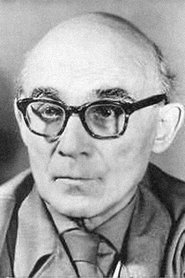
Erich Engel
Director
- Born
- July 24, 1891, Berlin, Germany
- Died
- May 20, 1966
- Active
- 1923-1966
Films directed 1
About Erich Engel
Erich Engel was a German stage and film director whose career bridged the late silent era, the Weimar Republic, the Nazi period, and the postwar German theatre and screen. He was born in Berlin and became associated above all with the practical, exacting, actor-centered approach of the German stage tradition, later carrying that discipline into cinema. His film work was relatively limited compared with his long and distinguished theatre career, but he is remembered in film history for directing the silent feature The Mysteries of a Hairdresser's Shop in 1923, one of his earliest credited screen efforts. Engel spent much of his professional life in the theatre, working as a director and later as an important cultural figure in German-speaking repertory drama, where he was known for his sharp sense of pacing, ensemble control, and textual clarity. He is also historically significant because his name is connected to major developments in twentieth-century German theatre, including productions associated with Bertolt Brecht and the modern repertory tradition. Unlike many filmmakers of the silent era, Engel did not build a large commercial filmography; instead, his reputation rests on his broader directing career and his role in shaping performance culture in Germany. He remains a notable classic cinema personality primarily for his early film direction and his place within the larger artistic world of Weimar and postwar German stagecraft.
More about Erich Engel
Behind the camera
Erich Engel's directing style is best understood through his theatre work: disciplined, actor-focused, and highly attentive to rhythm, clarity, and textual structure. In film, his approach appears to have favored straightforward storytelling and practical mise-en-scène rather than flamboyant visual experimentation. He is associated with a production style that emphasized ensemble performance and exact dramatic pacing, traits that suited both stage realism and the narrative economy of silent cinema. His direction is often described in historical terms as craft-oriented rather than flashy, with an emphasis on the precision of scene construction and the management of actors. Because his film output was limited, his directing style is documented more fully in theatre history than in film scholarship.
In film history
Erich Engel's cultural impact lies less in a large body of commercial films than in his influence on German theatre and the professional standards of stage direction in the twentieth century. As a director who worked during the Weimar period and beyond, he was part of the artistic ecosystem that shaped modern German performance practice, including the movement toward more rigorous ensemble acting and intellectually engaged staging. His early film work places him among the many theatre artists who briefly contributed to silent cinema while remaining rooted in the stage, a common pattern in German cultural life of the era. For film historians, he is significant as an example of the cross-pollination between theatre and cinema in the 1920s, when directors moved fluidly between the two media. His name also survives in the broader history of German dramatic arts because of his association with major playwrights and repertory institutions that influenced later generations.
Later reputation
Erich Engel's lasting legacy is primarily theatrical, but it remains relevant to classic cinema because it illuminates the overlap between stage and screen in German film history. His lone surviving reputation in film scholarship is tied to The Mysteries of a Hairdresser's Shop, a reminder that even directors with small screenographies could participate in the development of silent-era storytelling. In theatre history, he is remembered as a serious, exacting director whose work helped define high-level German repertory practice and whose productions contributed to the artistic culture from which postwar German theatre emerged. His legacy is therefore dual: a modest but real place in silent-film history, and a more substantial standing as a figure in twentieth-century German stage direction. For modern researchers, he exemplifies the many important creative professionals whose influence cannot be measured solely by the size of their filmographies.
Influence
Engel influenced later directors and theatrical practitioners through his insistence on disciplined actor handling, structural clarity, and respect for text and ensemble. His work helped sustain a tradition of German directing that valued intellectual rigor over spectacle, a tradition that influenced both stage and screen artists in the broader German-speaking world. In cinema, his influence is indirect, reflecting the way theatre-trained directors brought stagecraft into early film production during the silent era. His association with major dramatists also positioned him as part of the lineage that shaped modern performance aesthetics in Germany. While he is not usually cited as a major innovator in film form, his career contributed to the professional standards from which later directors benefited.
Off screen
Publicly documented information about Erich Engel's personal life is comparatively sparse in standard film-reference sources, especially relative to his theatrical reputation. He was born and died in Berlin, indicating that his life remained closely tied to German cultural life. Available biographical sources emphasize his professional achievements rather than marriages, family background, or private relationships. As a result, many details that are often standard for film personalities, such as spouses and children, are not reliably available in the surviving reference record. His personal identity is therefore best understood through his career as a director within German theatre and early cinema.
Education
Detailed public information about his formal education is not consistently documented in widely available film-reference sources. His career suggests strong practical training in theatre and stage direction, but specific schools or degrees are not readily verifiable from standard classic-cinema references.
Credits
- Directed the silent film The Mysteries of a Hairdresser's Shop (1923), his best-known screen credit in classic cinema reference works
- Established a substantial reputation as a theatre director in Germany, where his influence extended well beyond his limited film output
- Worked in the Weimar-era cultural milieu and remained professionally active through the politically turbulent middle decades of twentieth-century Germany
- Directed stage productions associated with major modern German dramatists, helping define the performance style of serious repertory theatre
- Served as an important link between older German theatrical traditions and later postwar stage practice
Films
Honors
- Recognition in German theatre history as one of the notable stage directors of the twentieth century
Collaborators
- Bertolt Brecht
- German theatre ensembles and repertory companies
Studios
- German silent film production circles of the Weimar era
Notes
- He was born and died in Berlin, keeping his career closely tied to the city's cultural institutions.
- His best-known film credit is a silent comedy-drama from 1923, a relatively rare screen credit within a much larger stage career.
- He is more prominent in theatre history than in film history, which makes him easy to overlook in film-only reference lists.
- He worked during the Weimar era, a period known for artistic experimentation and intense cultural productivity in Germany.
- His directing reputation is associated with precision, ensemble control, and strong textual understanding.
- He is a useful example of a director whose influence extended beyond the number of films he made.
- Because his screen career was limited, many standard film databases list only a small number of credits for him.
Questions
Who was Erich Engel?
Erich Engel was a German director best known for his substantial theatre career and for a small but notable presence in early German cinema. He directed the silent film The Mysteries of a Hairdresser's Shop in 1923 and is remembered as an important figure in German repertory directing.
What films is Erich Engel best known for?
He is most closely associated with The Mysteries of a Hairdresser's Shop (1923), his key surviving classic-cinema credit. His reputation in film is limited compared with his theatre work, so this title is the central reference point for his screen career.
When was Erich Engel born and when did he die?
Erich Engel was born on July 24, 1891, in Berlin, Germany, and died on May 20, 1966, also in Berlin. His life and career were deeply rooted in German cultural history.
What awards did Erich Engel win?
No widely documented international film awards are commonly listed for Erich Engel in standard classic-cinema references. His recognition came primarily through his professional standing in German theatre rather than through major film industry prize records.
What was Erich Engel's directing style?
Engel was known for a disciplined, actor-centered approach that emphasized clarity, pacing, and ensemble performance. In film, his style appears to have been straightforward and practical rather than visually showy, reflecting his strong theatrical background.
What is Erich Engel's legacy in film history?
His film legacy is modest but historically interesting because it reflects the close relationship between theatre and early German cinema. He is remembered mainly as a stage director of major importance who also contributed to silent-era film directing.