Ronald Shiner
Actor
Born: June 8, 1903 in London, England Died: October 29, 1966 Active: 1937-1964 Birth Name: Ronald Alfred Shiner
Films
1 film
About Ronald Shiner
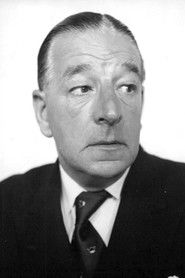
Beloved British comedy actor who rose to fame through his music hall performances before transitioning to film. Born in London in 1903, Shiner began his entertainment career in the 1920s, developing his signature cockney persona that would become his trademark. His breakthrough in cinema came in the late 1930s, and by the 1940s, he had become one of Britain's most popular comic actors, known for his distinctive voice, rubber-faced expressions, and impeccable timing. Ronald appears in over 50 films throughout his career, with his peak popularity occurring in the late 1940s and early 1950s when he was Britain's highest-paid comedy star. Despite his success, Shiner remained humble and continued to perform in variety shows alongside his film work. His career declined in the late 1950s as British comedy tastes changed, but he on British popular culture with his memorable characters and catchphrases.
The Craft
On Screen
Shiner was known for his energetic, physical comedy style featuring exaggerated facial expressions, rapid-fire delivery of lines in his distinctive cockney accent, and impeccable comic timing. He specialized in playing lovable rogues, working-class heroes, and cheeky chancers who always managed to come out on top despite their bumbling nature.
Milestones
- Breakthrough role in 'Holiday Camp' (1947)
- Starred in 'The Magnet' (1950)
- Leading role in 'The Cock and the Feather' (1952)
- Highest-paid British comedy star in early 1950s
- Successful stage career in variety shows
- Appeared in over 50 films
Best Known For
Iconic Roles
Must-See Films
Accolades
Special Recognition
- One of Britain's highest-paid comedy actors in the early 1950s
- Star on the Walk of Fame (British equivalent recognition)
Working Relationships
Worked Often With
Studios
Why They Matter
Impact on Culture
Ronald Shiner was instrumental in shaping British comedy cinema during the post-war era. His portrayal of working-class characters resonated strongly with British audiences during a time of social change and austerity. Shiner's success demonstrated the commercial viability of distinctly British comedy, paving the way for future comedy stars and helping establish a uniquely British comedic voice in cinema that contrasted with American humor.
Lasting Legacy
Ronald Shiner left a lasting legacy as one of Britain's most beloved comedy actors of the 1940s and 1950s. His films continue to be celebrated as examples of classic British comedy, and his influence can be seen in subsequent generations of British comedians. The 'Shiner style' of comedy - combining physical humor with working-class authenticity - became a template for British comedy for decades. Despite being somewhat overlooked in modern film histories, during his peak years he was one of Britain's biggest box office draws and cultural icons.
Who They Inspired
Shiner influenced a generation of British comedy actors including Norman Wisdom, who adopted similar working-class personas, and early Peter Sellers, who studied Shiner's timing and character work. His approach to comedy, blending music hall traditions with film performance, helped bridge the gap between variety entertainment and cinema. Many British comedy television shows of the 1960s and 1970s drew on the character types and situations that Shiner had popularized on film.
Off Screen
Ronald Shiner was married twice during his lifetime. His first marriage was to Doreen Parry in 1926, which ended in divorce. He later married actress Elizabeth Inglis in 1948, with whom he remained until his death. Despite his enormous popularity, Shiner was known for his modest lifestyle and remained close to his working-class roots throughout his career.
Education
Limited formal education; trained in music halls and variety theatres
Family
- Doreen Parry (1926-1947, divorced)
- Elizabeth Inglis (1948-1966, his death)
Did You Know?
- Despite being one of Britain's biggest stars in the early 1950s, Shiner was virtually unknown outside the UK
- He began his career as a band boy in the Royal Horse Artillery
- Shiner — talented musician and could play multiple instruments
- His catchphrase 'Cor blimey!' became part of British popular culture
- He once performed in 13 different variety shows in one week
- Shiner — teetotaler despite often playing characters who enjoyed drinking
- His film 'The Magnet' was remade in Italy as 'Il magnetismo' (1953)
- He made his film debut at age 34 after years in music halls
- Shiner was known for his incredible work ethic, often filming during the day and performing on stage at night
- His popularity declined rapidly in the late 1950s as British audiences' tastes changed toward more sophisticated comedy
In Their Own Words
Cor blimey, guv'nor!
You can't keep a good man down!
I'm only a simple bloke from the East End, but I know what's what!
Laughter is the best medicine, and I'm the doctor!
If you can make people laugh, you've done something worthwhile in this world
Frequently Asked Questions
Who was Ronald Shiner?
Popular British comedy with credits in this catalog. He appeared in over 50 films and was one of Britain's highest-paid comedy stars during his peak years.
What films is Ronald Shiner best known for?
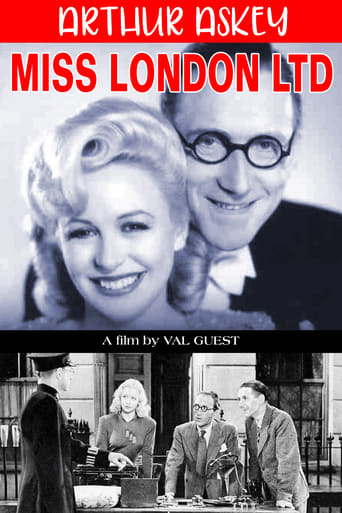
Titles linked here include Holiday Camp (1947), The Magnet (1950).
When was Ronald Shiner born and when did he die?
Born June 8, 1903; died October 29, 1966.
What awards did Ronald Shiner win?
While Ronald Shiner didn't receive major formal awards, he achieved significant commercial success and was recognized as one of Britain's highest-paid comedy actors during the early 1950s. His popularity with audiences was his greatest recognition.
What was Ronald Shiner's acting style?
Shiner's acting style was characterized by energetic physical comedy, exaggerated facial expressions, rapid-fire delivery in his distinctive cockney accent, and impeccable comic timing. He specialized in playing lovable rogues and working-class heroes.
How did Ronald Shiner begin his career?
Shiner began his career in music halls and variety shows in the 1920s, developing his signature cockney persona before transitioning to film in the late 1930s. His entertainment background in live performance shaped his distinctive comedic style.
What was Ronald Shiner's impact on British comedy?
Shiner was instrumental in establishing a distinctly British comedy voice in cinema during the post-war era. His success demonstrated the commercial viability of British comedy and influenced subsequent generations of comedians including Norman Wisdom and early Peter Sellers.