Films
1 film
About Léon Bernard
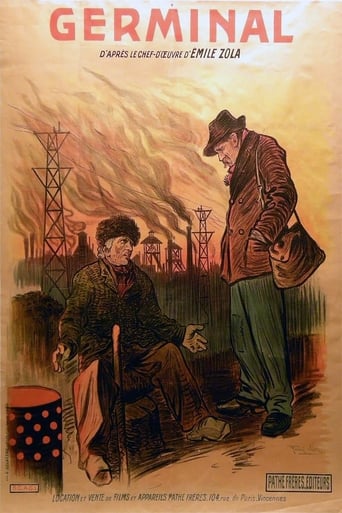
Early French silent film actor: known career consists of a single appearance in the 1913 adaptation of Émile Zola's novel Germinal. This film, directed by Albert Capellani, was one of the earliest cinematic versions of the famous literary work and represented a significant achievement in early French cinema. Bernard's role in the production places him among the generation of film actors during the transition from theatrical traditions to the emerging medium of cinema. Like many actors of this period, particularly those in supporting or minor roles, detailed documentation of his life and career is extremely limited. The film itself was considered ambitious for its time, attempting to capture the social realism and epic scope of Zola's masterpiece. Bernard's participation in this early literary adaptation suggests he may have had theatrical training, as was common for actors transitioning to film during this era. Unfortunately, the lack of additional film credits or biographical information indicates his career in cinema was likely brief, which was not uncommon for actors in the very early days of the film industry.
The Craft
Milestones
- Appeared in the 1913 French silent film adaptation of Germinal
Best Known For
Iconic Roles
Must-See Films
Working Relationships
Worked Often With
Why They Matter
Impact on Culture
Léon Bernard's contribution to cinema, while minimal in scope, represents the collective effort of countless early film actors who participated in the foundational development of cinema as an art form. His appearance in Germinal (1913) places him within the context of early French cinema's attempts to adapt serious literary works for the screen, helping to establish film as a medium capable of handling complex social themes. The 1913 version of Germinal was among the first feature-length adaptations of Zola's work, and every actor involved, regardless of the size of their role, contributed to this effort in cinematic storytelling. While Bernard himself did not achieve lasting fame, his participation reflects the collaborative nature of early filmmaking and the importance of ensemble casts in bringing literary classics to life on screen.
Lasting Legacy
Léon Bernard's legacy is primarily that of a representative figure from the earliest days of French cinema, embodying the countless actors whose names have been lost to time but who contributed to the development of the film industry. His single known film appearance in the 1913 adaptation of Germinal shows the collaborative nature of early filmmaking and the importance of even minor roles in bringing ambitious literary adaptations to the screen. While he did not achieve individual recognition, his participation in this early significant French production places him within the historical narrative of cinema's evolution from novelty to art form. The scarcity of information about Bernard also highlights the challenges of film preservation and historical documentation from the silent era, particularly for actors who did not achieve star status.
Who They Inspired
Given the limited documentation of Léon Bernard's career and his single known film appearance, there is no evidence of direct influence on other actors or filmmakers. However, like all participants in early cinema, he contributed to the establishment of acting techniques and conventions that would evolve as the medium developed. His work in a literary adaptation during this formative period was part of the broader movement that helped establish film as a serious artistic medium capable of handling complex narratives and social commentary.
Off Screen
Very little is documented about Léon Bernard's personal life, which is typical for supporting actors from the early silent era who appeared in only one or two films.
Did You Know?
- Léon Bernard's entire known film career consists of a single appearance in 1913
- The film Germinal (1913) was one of the earliest cinematic adaptations of Émile Zola's famous novel
- The 1913 version of Germinal was directed by Albert Capellani, a prominent early French film director
- Like many actors from the very early silent era, virtually no biographical information about Bernard survives
- The film Germinal was considered ambitious for its time due to its literary source material and social themes
- Early French cinema often drew from theatrical talent, suggesting Bernard may have had stage experience
- The scarcity of information about Bernard is typical for supporting actors from this period of film history
Frequently Asked Questions
Who was Léon Bernard?
French silent film with credits in this catalog. Like many actors from the very early days of cinema, little biographical information about him survives today.
What films is Léon Bernard best known for?
Titles linked here include Germinal (1913).
When was Léon Bernard born and when did he die?
The birth and death dates of Léon Bernard are unknown, which is common for supporting actors from the early silent era whose careers were brief and who did not achieve lasting fame.
What awards did Léon Bernard win?
There are no recorded awards or nominations for Léon Bernard, which is typical for actors from this early period of cinema when formal award systems had not yet been established.
What was Léon Bernard's acting style?
No specific information exists about Léon Bernard's acting style, though actors of this period typically brought theatrical techniques to their film performances as cinema was still developing its own unique performance methods.
Why is so little known about Léon Bernard?
The scarcity of information about Léon Bernard reflects the broader challenge of documenting the lives of early cinema actors, especially those who appeared in only one or two films and did not achieve star status. Many records from this period have been lost or were never comprehensively maintained.