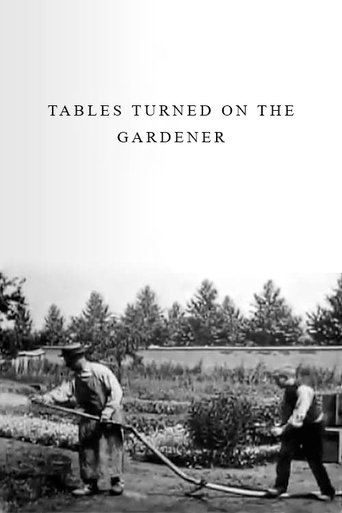
Films
1 film
About François Clerc
François Clerc was one of the actors of the very dawn of cinema, appearing in what are now considered among the first narrative films ever created. His entire known film career consists of his appearance in the 1895 Lumière brothers' short comedy, 'L'Arroseur Arrosé' (The Sprinkler Sprinkled). In this brief but historic film, Clerc played the role of the mischievous boy who steps on the garden hose, only to receive a face full of water when the gardener examines the nozzle. This simple act of comedic timing and physical reaction helped establish the very foundation of visual storytelling and comedic acting on screen. As an employee of the Lumière factory in Lyon, France, Clerc was part of an informal troupe of workers who participated in these early cinematic experiments. His performance, lasting mere seconds, became one of the first examples of an actor creating a character and eliciting a laugh from a film audience. Following this appearance, there is no record of Clerc participating in any other films, making his contribution to cinema history brief but incredibly significant. He represents the anonymous workers who, by chance, became the first film actors in history, immortalized in the flickering frames of the world's first movies.
The Craft
On Screen
François Clerc's acting style, as evidenced in his sole film appearance, was purely physical and representative of the nascent stage of screen acting. His performance relied entirely on pantomime and broad physical gestures, as was necessary for silent films without intertitles. The comedic effect was achieved through simple, universally understood actions: stepping on a hose, the resulting confusion, and the final, satisfying payoff of the gardener being sprayed. His style was not about character depth or psychological realism but about clear, immediate visual communication and timing. This approach was foundational for early film comedy, emphasizing slapstick and situational humor over dialogue or intricate plotting. His brief but effective reaction to being sprayed is an early example of an actor using facial expression to convey emotion to the camera.
Milestones
- Starred in 'L'Arroseur Arrosé' (The Sprinkler Sprinkled) in 1895
- Appeared in one of the first narrative films in history
- Participated in the first public film screening by the Lumière brothers on December 28, 1895
- Created one of the first comedic performances on film
Best Known For
Iconic Roles
Must-See Films
Accolades
Special Recognition
- Inducted into the annals of cinema history as one of the first film actors
- Featured in countless film history documentaries and retrospectives on the birth of cinema
Working Relationships
Worked Often With
Studios
Why They Matter
Impact on Culture
François Clerc's cultural impact is disproportionate to the brevity of his career, stemming entirely from his role in one of cinema's most important first steps. 'The Sprinkler Sprinkled' was not only one of the first narrative films but also the first comedy, and Clerc's performance was central to its success and enduring legacy. The film was an immediate sensation, captivating audiences worldwide and demonstrating cinema's potential not just for documenting reality, but for creating fictional stories and eliciting emotional responses like laughter. Clerc's simple prank became an archetypal comedic scenario, endlessly imitated and referenced throughout film history. His participation in the Lumière brothers' first public screening on December 28, 1895, places him at the absolute genesis of public cinema exhibition. As such, he is a symbol of the medium's humble beginnings, where a factory worker's playful act helped launch a global art form and industry.
Lasting Legacy
The legacy of François Clerc is that of a foundational figure in cinematic history, immortalized as the prankster in one of the first films ever made. While his name is not widely known to the general public, he is a staple of film history courses and books, always cited when discussing the birth of narrative cinema and film comedy. His image, frozen in the act of being sprayed with water, is an iconic representation of cinema's earliest days. Clerc's legacy is not one of a long and varied career, but of a single, perfect moment that helped define the possibilities of the new medium. He serves as a reminder that the history of film was built not only by famous directors and stars, but also by anonymous individuals whose brief contributions had a ripple effect lasting over a century. His story highlights the serendipitous nature of early film, where an ordinary day at work could result in a permanent place in cultural history.
Who They Inspired
François Clerc's direct influence on other actors is impossible to trace, as he was not a public figure in the traditional sense and did not have a subsequent career. However, his performance in 'The Sprinkler Sprinkled' indirectly influenced generations of comedians and actors by helping to establish the visual language of screen comedy. The film's simple, effective structure—setup, complication, and punchline—became a template for countless comedic shorts that followed. His use of physical comedy and clear, exaggerated reactions set a precedent for silent film comedians like Charlie Chaplin, Buster Keaton, and Harold Lloyd, who would elevate this style to an art form. Clerc demonstrated that a single, well-timed physical action could be more powerful and universal than words, a principle that has remained a cornerstone of visual storytelling and comedy in film ever since.
Off Screen
Virtually nothing is known about the personal life of François Clerc beyond his employment at the Lumière factory in Lyon. Like many of the early film 'actors,' he was not a professional performer but a factory worker chosen by Louis Lumière to participate in these experimental films. His identity was confirmed through Lumière company records, but details about his family, life outside the factory, or his thoughts on his brief moment of film stardom have been lost to history. He represents the anonymous, everyday people who inadvertently became the first stars of the silver screen.
Did You Know?
- He was an actual employee at the Lumière factory in Lyon, not a professional actor.
- His film 'The Sprinkler Sprinkled' is considered the first comedy in film history.
- The film was only 49 seconds long, making Clerc's screen debut incredibly brief.
- His co-star in the film, Benoît Duval (the gardener), was also a Lumière factory worker.
- The film was remade multiple times by other filmmakers due to its immediate popularity.
- Clerc participated in the first-ever public film screening on December 28, 1895, at the Grand Café in Paris.
- His identity was confirmed by historian Georges Sadoul through Lumière company archives.
- The prank in the film is.
- Despite his fame in film history, there are no known photographs of Clerc outside of his appearance in the film.
- He represents the anonymous origins of film acting, before the concept of 'movie stars' existed.
Frequently Asked Questions
Who was François Clerc?
French factory worker who became one of the first film with credits in this catalog. He is known for his starring role as the mischievous boy in the Lumière brothers' 1895 short film, 'The Sprinkler Sprinkled,' one of the earliest narrative and comedic films ever made.
What films is François Clerc best known for?
Titles linked here include The Sprinkler Sprinkled (1895).
When was François Clerc born and when did he die?
The exact birth and death dates of François Clerc are unknown. Historical records only confirm that he was an employee of the Lumière factory in Lyon, France, around the year 1895 when he made his famous film appearance.
What awards did François Clerc win?
François Clerc did not win any formal film awards, as he acted before the existence of such institutions. His honor is his permanent place in film history as one of the very first actors to appear in a narrative motion picture.
What was François Clerc's acting style?
Clerc's acting style was purely physical and pantomimic, typical of the earliest film performances. His role relied on broad, clear gestures and facial expressions to tell a simple story and create a comedic effect, establishing a foundational style for silent film comedy.