Lucien Callamand
Actor
- Active
- 1911-1911
Films 1
About Lucien Callamand
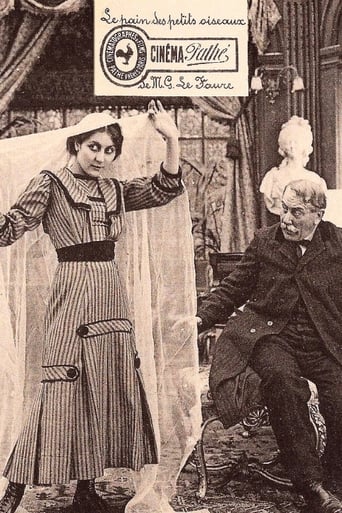
Lucien Callamand was a French actor active during the earliest years of cinema, appearing in silent films at least as early as 1911. Surviving filmography records identify him in Bread for the Birds (1911), placing him among the many stage-trained or locally working performers who helped shape the first generation of screen acting in France. Because documentation on his life is extremely sparse, much of his career beyond this confirmed credit is not well preserved in widely available film-reference sources. He should be understood as part of the formative silent-era workforce rather than as a later international star, and his value to film history lies in his presence within cinema's pioneering years. No reliable public evidence currently confirms a broader career arc, personal biography, or major awards record. As a result, his historical importance is chiefly archival: he represents the many early performers whose names survive in cast listings even when the rest of their stories have been lost to time.
More about Lucien Callamand
On screen
No detailed contemporary descriptions of Lucien Callamand's acting style have survived in accessible reference sources. Given the period in which he worked, his performance would likely have relied on the expressive, gesture-based techniques typical of silent cinema, where clarity of movement, facial expression, and visual storytelling were essential. However, without reviews, surviving prints, or production notes directly tied to him, any further characterization would be speculative.
In film history
Lucien Callamand's cultural impact is best understood in the context of early French cinema, where hundreds of performers contributed to the development of screen language without becoming widely remembered names. His surviving credit in a 1911 film places him among the foundational generation of actors who helped establish the grammar of silent performance before cinema became a dominant global medium. Even when individual biographies are scarce, such performers are significant because they were part of the living fabric of film history during its experimental period. For modern researchers and database users, Callamand is valuable as an archival trace of the silent era's personnel and production networks.
Later reputation
His legacy is primarily historical and archival rather than celebrity-based. Lucien Callamand stands as one of the many early film actors whose names persist in cast records, reminding historians that the silent era was built not only by famous auteurs and stars but also by lesser-documented working performers. In film scholarship, such figures are essential for reconstructing production histories, cast lists, and the growth of French cinema in the 1910s. His survival in the record helps preserve the texture of early screen culture, even though detailed biographical information has not survived.
Influence
There is no documented evidence that Lucien Callamand directly mentored later actors or exerted a traceable influence on specific filmmakers. Any broader influence he had would have been indirect, through his participation in the collective practice of early silent-era acting in France. Actors like Callamand helped normalize cinematic performance conventions at a time when the medium was still defining itself, contributing to the visual language later performers inherited. His historical significance therefore lies in participation rather than documented individual influence.
Off screen
No reliable public information is readily available about Lucien Callamand's personal life, including family background, marriages, children, or later-life activities. Unlike many better-documented film personalities of the silent era, he does not appear to have left behind an extensive biographical footprint in standard film-reference materials. As a result, his private life remains undocumented in the sources available for this profile.
Credits
- Confirmed screen appearance in the early French silent film Bread for the Birds (1911)
- Participation in cinema during the pioneering pre-World War I period of film production
- Representation of the early French acting talent that bridged stage performance and silent film expression
Roles
- Actor in Bread for the Birds (1911)
Films
- Bread for the Birds (1911)
Notes
- Lucien Callamand is associated with one of the earliest years of narrative cinema, 1911.
- The only widely confirmed film credit tied to him in readily accessible sources is Bread for the Birds (1911).
- He appears to have been a French silent-era performer rather than a later international star.
- No major awards, nominations, or honors are readily documented for him.
- His surviving record illustrates how many early film actors are known only through cast listings.
- Because early French film documentation is often incomplete, some aspects of his life may remain undiscovered in archival materials.
- He is an example of a historical film figure whose importance is preserved more in filmography databases than in popular memory.
Questions
Who was Lucien Callamand?
Lucien Callamand was a French silent-era actor known from early film records, including Bread for the Birds (1911). He is one of many performers from the pioneering years of cinema whose names survive even though detailed biographical information is scarce.
What films is Lucien Callamand best known for?
He is best known for Bread for the Birds (1911), the confirmed title associated with his filmography in accessible records. No other widely verified screen credits are readily documented in the sources available for this profile.
When was Lucien Callamand born and when did he die?
His birth date and death date are not readily available in standard accessible film-reference sources. Likewise, his birth place and later-life details remain undocumented in the materials currently available.
What awards did Lucien Callamand win?
No awards or formal honors are readily documented for Lucien Callamand. This is not unusual for performers from the very early silent era, many of whom worked before the modern awards culture of cinema existed.
What was Lucien Callamand's acting style?
There are no surviving detailed descriptions of his style in accessible reference materials. Based on the period, he likely worked in the expressive, gesture-driven manner typical of silent-era acting, but anything more specific would be speculative.
What is Lucien Callamand's legacy in film history?
His legacy is chiefly archival and historical: he represents the early French actors who helped shape cinema during its formative years. Even with limited surviving personal information, his credited presence in a 1911 film makes him part of the documented foundation of silent film history.