
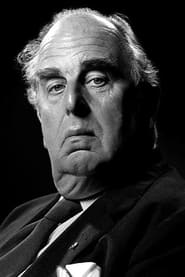
Robert Morley
Actor
Born: May 26, 1908 in Semley, Wiltshire, England Died: June 3, 1992 Active: 1936-1992 Birth Name: Robert Adolph Wilton Morley
Films
1 film
About Robert Morley
British character actor, playwright, and novelist: over five decades in both British and American cinema. Born into a prominent family, he initially pursued writing before discovering his passion for acting at RADA. His breakthrough came with his Academy Award-nominated performance as King Louis XVI in 'Marie Antoinette' (1938), establishing him as a versatile character actor. Morley became renowned for his distinctive rotund figure, impeccable timing, and ability to portray both pompous authority figures and endearing eccentrics with equal skill. Beyond his film work, he authored numerous plays and novels, including the successful 'The Little Hut' which he adapted for the stage and screen. His career flourished through the Golden Age of Hollywood, where he appeared in classics like 'The African Queen' and 'Beat the Devil.' Morley continued working prolifically until his death in 1992, leaving behind a legacy of memorable performances that showcased his unique blend of wit, sophistication, and comedic genius.
The Craft
On Screen
Morley specialized in playing pompous, eccentric, and often comically self-important characters with a distinctive blend of sophistication and vulnerability. His performances were characterized by precise diction, dry wit, and an ability to deliver cutting remarks with apparent innocence. He had a remarkable talent for physical comedy, using his considerable gait and expressive face to maximum effect. Morley's acting style combined the theatrical traditions of British comedy with subtle naturalism, making him equally effective in both dramatic and comedic roles.
Milestones
- Academy Award nomination for 'Marie Antoinette' (1938)
- Stage success with 'The Little Hut' (1949)
- Role in 'The African Queen' (1951)
- Memorable performance in 'Beat the Devil' (1953)
- Appeared in 'Around the World in 80 Days' (1956)
- Starred in 'The Great Race' (1965)
- Portrayed Oscar Wilde in 'Oscar Wilde' (1960)
- Knighted in 1957 for services to drama
Best Known For
Iconic Roles
Must-See Films
Accolades
Won
- New York Film Critics Circle Award for Best Actor (1938)
Nominated
- Academy Award for Best Supporting Actor for 'Marie Antoinette' (1938)
- Golden Globe Award for Best Actor for 'Oscar Wilde' (1960)
- BAFTA Award nomination for 'The Great Race' (1965)
Special Recognition
- Knighted by Queen Elizabeth II (1957)
- Commander of the Order of the British Empire (CBE)
- Hollywood Walk of Fame Star (1960)
- Doctor of Literature from Oxford University (1965)
Working Relationships
Worked Often With
Studios
Why They Matter
Impact on Culture
Robert Morley significantly influenced the archetype of the British eccentric in international cinema, helping establish the 'British character actor' as a recognized and valued type in Hollywood. His performances helped bridge the gap between British theatrical tradition and American film sensibilities, paving the way for future British actors in Hollywood. Morley's distinctive style of combining intellectual wit with physical comedy influenced generations of actors, particularly in the realm of character acting. His success demonstrated that character actors could achieve star status and critical recognition, challenging the traditional dominance of leading men and women in cinema.
Lasting Legacy
Robert Morley's legacy endures through his extensive body of work that spans over 100 films and numerous stage productions. He is remembered as one of Britain's most versatile and beloved character actors, capable of elevating even minor roles into memorable performances. His contributions to British theater and film, along with his work as a writer, cement his place in cultural history. The annual Robert Morley Award for Comedy was established in his honor, recognizing excellence in comedic performance. His influence can be seen in the work of contemporary actors who specialize in playing eccentric, intellectual characters with both humor and depth.
Who They Inspired
Morley influenced countless actors through his unique approach to character work, particularly his ability to find humanity in pompous or ridiculous characters. His technique of using physical presence and vocal delivery to create memorable characters has been studied and emulated by performers worldwide. The way he balanced comedy with pathos became a model for character actors in both British and American cinema. His success in both writing and performing inspired many actors to pursue creative work beyond acting, including his own children who followed in his multifaceted footsteps.
Off Screen
Robert Morley was married twice and had three children who all entered the entertainment industry. He was known for his wit and intellectual pursuits beyond acting, including writing children's books and cookbooks. Morley — passionate advocate for British theater and often appeared in West End productions between film roles. Despite his success in Hollywood, he maintained strong ties to England and was a prominent figure in London society. He was known for his love of food and wine, which often found its way into his performances and writings.
Education
Wellington College, Berkshire; Royal Academy of Dramatic Art (RADA) London
Family
- Joan Buckmaster (1936-1967, her death)
- Margaret (Peggy) Gill (1969-1992, his death)
Did You Know?
- Was a distant cousin of Queen Elizabeth the Queen Mother
- Wrote over 20 books including cookbooks and children's stories
- Spoke fluent French and often appeared in French films
- Was a gourmet chef and appeared on several cooking shows
- Lost over 100 pounds later in life through diet and exercise
- Was offered a knighthood twice before accepting in 1957
- His son Sheridan became a famous theater critic
- Was a close friend of Winston Churchill
- Appeared in the first episode of 'The Avengers' TV series
- Wrote the screenplay for the film 'The Small Man' (1956)
- Was a regular panelist on BBC radio shows
- His distinctive voice was used in numerous animated films and commercials
In Their Own Words
I have always believed that if you want to entertain people, you must first entertain yourself.
Acting is not about being someone different. It's finding the similarity in what is apparently different, then finding myself in there.
The secret of comedy is not to be funny. It's to be serious and let the audience find the humor.
I never play a character. I play myself under different circumstances.
In America, they think I'm an English eccentric. In England, they think I'm an American eccentric. I'm just eccentric.
Frequently Asked Questions
Who was Robert Morley?
British character with credits in this catalog. He was particularly famous for playing eccentric and pompous characters with both humor and humanity.
What films is Robert Morley best known for?
Titles linked here include Marie Antoinette (1938), The African Queen (1951).
When was Robert Morley born and when did he die?
Born May 26, 1908; died June 3, 1992.
What awards did Robert Morley win?
Morley received an Academy Award nomination for Best Supporting Actor for 'Marie Antoinette' (1938), won the New York Film Critics Circle Award for Best Actor in 1938, and was knighted by Queen Elizabeth II in 1957 for his services to drama.
What was Robert Morley's acting style?
Morley specialized in playing eccentric, often pompous characters with a unique blend of sophistication and vulnerability. His style combined precise diction, dry wit, and physical comedy, using his distinctive appearance and expressive face to create memorable characters that were both humorous and deeply human.
Did Robert Morley have any famous family members?
Yes, Morley came from a prominent family and was a distant cousin of Queen Elizabeth the Queen Mother. His three children - Sheridan, Annabel, and Wilton - all entered the entertainment industry, with Sheridan becoming a well-known theater critic.
What other talents did Robert Morley have besides acting?
Beyond acting, Morley — successful playwright and novelist who wrote over 20 books including cookbooks and children's stories. He was also a gourmet chef, wrote screenplays, and was a regular panelist on BBC radio shows.
How did Robert Morley influence cinema?
Morley helped establish the British character actor as a valuable asset in Hollywood films, bridging British theatrical traditions with American cinema. His success demonstrated that character actors could achieve star status and influenced generations of performers who specialize in eccentric, intellectual roles.