Films
2 films

About John McLeish
Made his mark in animation history through his work with Warner Bros. In the early 1940s. Best known for his pompous, professorial narration style, McLeish provided the voiceover for several classic Merrie Melodies and Looney Tunes cartoons, becoming instantly recognizable to audiences of the era. His career, though brief, was concentrated primarily in 1942, where he lent his authoritative yet comical delivery to some of Warner Bros.' most innovative animated shorts. McLeish's unique vocal quality - characterized by its precise diction, academic tone, and slightly stuffy demeanor - perfectly complemented the satirical nature of the cartoons he narrated. His work on 'The Dover Boys at Pimento University' and 'The Ducktators' showcased his ability to deliver straight-faced narration that heightened the comedic effect of the animated visuals. Despite his limited filmography, McLeish's contribution to the golden age of animation remains significant, as his narration style became an integral part of these classic cartoons' enduring appeal.
The Craft
On Screen
John McLeish's acting style was characterized by his distinctive, professorial narration delivery. He employed a precise, academic tone with slightly pompous inflections that created a perfect comedic contrast with the chaotic animated visuals. His voice was characterized by clear diction, measured pacing, and an authoritative yet humorous quality that made his narration instantly recognizable. McLeish had the unique ability to deliver straight-faced, serious narration that enhanced the satirical elements of the cartoons, using deadpan delivery to maximize comedic effect. His style was particularly effective in parodying educational films and serious documentaries, bringing a sophisticated layer of humor to Warner Bros.' animated shorts.
Milestones
- Provided narration for 'The Dover Boys at Pimento University' (1942)
- Narrated 'The Ducktators' (1942)
- Developed distinctive professorial narration style for Warner Bros. Animation
- Contributed to the golden age of American animation
- Worked with animation directors at Warner Bros.
Best Known For
Iconic Roles
Must-See Films
Working Relationships
Worked Often With
Studios
Why They Matter
Impact on Culture
John McLeish made a significant cultural impact through his distinctive narration style that became an integral part of the golden age of American animation. His professorial, deadpan delivery in Warner Bros. Cartoons created a template for educational film parodies that influenced countless subsequent animated works. The contrast between his serious, authoritative narration and the chaotic comedy on screen became a hallmark of sophisticated cartoon humor that appealed to both children and adults. McLeish's work helped establish Warner Bros. Cartoons as vehicles for sharp satire and cultural commentary, using his distinctive voice to parody everything from academic institutions to political situations. His narration style became so iconic that it has been referenced and imitated in numerous animated works and media parodies in the decades since, demonstrating the lasting cultural resonance of his contributions to animation.
Lasting Legacy
John McLeish's legacy in film history is defined by his unique contribution to the art of animation narration during its golden age. Though his career was brief, his distinctive voice and delivery style left an indelible mark on Warner Bros.' classic cartoons, particularly in 'The Dover Boys' and 'The Ducktators.' His work exemplified how narration could elevate animated comedy from simple entertainment to sophisticated satire, influencing how voice acting would be used in animation for generations to come. McLeish's narration style became part of the cultural lexicon, with his deadpan, academic delivery becoming a recognizable trope in educational and documentary parodies across various media. His contributions helped establish Warner Bros. Cartoons as vehicles for intelligent humor that appealed to adult audiences, paving the way for more sophisticated animated content in the future.
Who They Inspired
John McLeish's distinctive narration style influenced numerous voice actors and animators who followed in his footsteps. His deadpan, professorial delivery became a template for educational film parodies and satirical narration across animation and other media. Many later cartoon narrators and voice actors adopted elements of his precise, authoritative yet humorous delivery when parodying documentary or educational styles. His work demonstrated how voice narration could enhance animated comedy through contrast and timing, influencing how directors and voice actors approached cartoon narration in subsequent decades. The techniques he pioneered in creating comedic juxtaposition through serious narration can be seen in everything from later Warner Bros. Cartoons to modern animated parodies across television and film.
Off Screen
Very little is publicly documented about John McLeish's personal life, as he was primarily known for his voice work in animation rather than as a public celebrity. His career was concentrated in the early 1940s, and he appears to have worked primarily behind the scenes in the animation industry. Unlike many Hollywood figures of his era, McLeish maintained a relatively private life, with limited information available about his family, relationships, or activities outside of his voice acting work for Warner Bros.
Did You Know?
- John McLeish's distinctive narration style was so unique that it became instantly recognizable to animation fans
- His work on 'The Dover Boys' is considered
- The narrator character he voiced was often a parody of serious, stuffy educational film narrators
- His voice work was primarily concentrated in a single year, 1942, making his impact despite limited output
- McLeish's narration style was perfectly suited for the satirical nature of Warner Bros. Cartoons during World War II
- His delivery in 'The Ducktators' helped parody political propaganda films of the era
- The contrast between his serious narration and cartoon chaos became a signature element of Warner Bros. Comedy
- His voice work contributed to making Warner Bros. Cartoons appeal to adult audiences as well as children
- The precise, academic quality of his voice made him perfect for parodying educational content
- Despite limited screen time, his narration became as memorable as the visual gags in the cartoons
In Their Own Words
The Dover Boys, Tom, Dick, and Larry, were having a jolly good time at Pimento University, when suddenly, their sweetheart, Dora Standpipe, was abducted by the villainous Dan Backslide!
In a land far away, where peace and harmony reigned supreme, there lived three happy ducktators who ruled their country with wisdom and justice. Until evil forces threatened their peaceful existence!
And so, our heroes, with courage in their hearts and determination in their souls, set forth to rescue fair Dora from the clutches of the dastardly Dan Backslide!
The situation grew increasingly dire as our villain, with his characteristic cowardice and villainy, attempted to force his unwanted attentions upon the fair Dora!
Through perseverance, teamwork, and the occasional well-timed pratfall, good would ultimately triumph over evil in this tale of collegiate adventure!
Frequently Asked Questions
Who was John McLeish?
Voice with credits in this catalog. Animated shorts during the early 1940s. He became famous for his deadpan, academic delivery that provided perfect comedic contrast to the chaotic animation in classic cartoons like 'The Dover Boys' and 'The Ducktators'.
What films is John McLeish best known for?
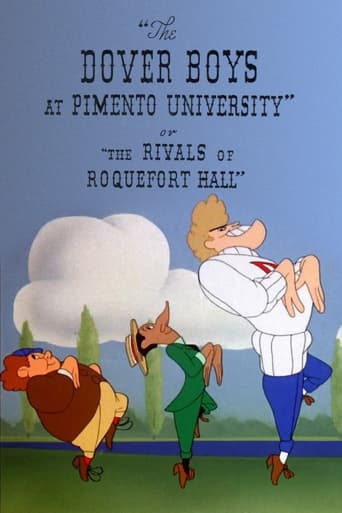
Titles linked here include The Dover Boys at Pimento University or The Rivals of Roquefort Hall (1942), The Ducktators (1942).
When was John McLeish born and when did he die?
Unfortunately, specific birth and death dates for John McLeish are not well-documented in historical records. His known career activity was concentrated in 1942, working primarily as a voice actor for Warner Bros. Animation during the golden age of American cartoons.
What awards did John McLeish win?
John McLeish did not receive major formal awards for his voice work, which was common for voice actors in animation during the early 1940s. However, his contributions to classic Warner Bros. Cartoons have been recognized by animation historians and enthusiasts as significant to the golden age of American animation.
What was John McLeish's acting style?
John McLeish's acting style was characterized by his distinctive, professorial narration delivery featuring precise diction, academic tone, and slightly pompous inflections. He employed deadpan, straight-faced delivery that created perfect comedic contrast with the animated visuals, making his narration instantly recognizable and highly effective for satirical purposes.
How did John McLeish influence animation?
John McLeish influenced animation by establishing a template for educational film parody narration that has been widely imitated. His work demonstrated how voice narration could enhance animated comedy through contrast, influencing how subsequent generations approached cartoon narration and satirical content in animation.
What made John McLeish's narration unique?
John McLeish's narration was unique due to its perfect blend of academic seriousness and comedic timing. His voice had the precise, authoritative quality of genuine educational film narrators, which made the contrast with the cartoon's chaotic comedy particularly effective and memorable.