Kurt Neumann
Director
Born: April 5, 1908 in Nuremberg, Germany Died: August 21, 1958 Active: 1920s-1958
Films
1 film
About Kurt Neumann
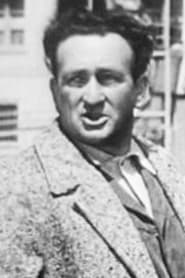
German-born film director who built a long and varied career in both Europe and Hollywood, becoming especially noted for his work in genre filmmaking during the studio era. Born in Nuremberg, Germany, he entered film in the silent period and directed in Europe before moving into American productions, where he found steady work across drama, adventure, crime, science fiction, and horror. His Hollywood career included a wide range of B pictures and programmer features, but he is best remembered today for stylish, efficient direction on films such as The Fly, Rocketship X-M, and Kronos. Neumann had a reputation for professionalism and for bringing a clean visual sense and strong pacing to modestly budgeted productions, which made him a valuable studio director. He worked for several major and minor studios over the years and was part of the generation of émigré filmmakers who helped shape mid-century American genre cinema. His career ended abruptly in 1958 when he died at the age of 50, leaving behind a body of work that has gained increasing respect among classic film historians and fans of vintage science fiction and horror. Although not a household name in the way of some contemporaries, Neumann in the history of early Hollywood genre filmmaking.
The Craft
Behind the Camera
Kurt Neumann’s directing style was typically efficient, polished, and highly adaptable to the demands of studio production. He was especially effective at making modest budgets look more polished than they were, using brisk pacing, clear visual storytelling, and a restrained but effective command of suspense and mood. In genre films, he favored clean staging and economical narrative construction over flamboyant flourishes, which suited the program-picture system in which he often worked. His science fiction and horror films in particular show a talent for maintaining tension and dramatic clarity while grounding extraordinary material in believable human reactions. He was not known as an overtly flashy stylist, but rather as a dependable craftsman who could deliver a professional, engaging film under tight conditions.
Milestones
- Established himself as a director in Europe before continuing his career in the United States
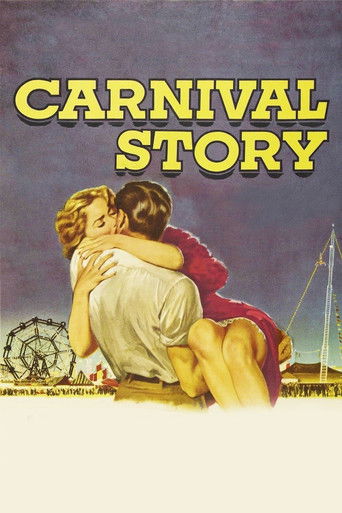
- Directed Carnival Story (1954), a dramatic adventure film associated with his late-career Hollywood work
- Directed the original The Fly (1958),
- Directed Rocketship X-M (1950), an influential early postwar science fiction film
- Directed Kronos (1957), a respected low-budget science fiction feature remembered for its atmospheric style
- Worked across multiple genres including crime, adventure, comedy, horror, and science fiction
- Maintained a long career in studio-era filmmaking despite frequent production constraints and B-picture budgets
Best Known For
Must-See Films
Working Relationships
Worked Often With
Studios
Why They Matter
Impact on Culture
Kurt Neumann helped define the look and pace of mid-century American genre pictures, especially the science fiction and horror films that were made on limited budgets but aimed at wide popular audiences. His work contributed to the postwar boom in science fiction cinema by showing that even modest productions could deliver memorable concepts, suspense, and visual excitement. The original The Fly in particular became a landmark of 1950s genre filmmaking and has endured as a touchstone in discussions of science fiction horror, scientific hubris, and body transformation narratives. His films are frequently studied for how they balance studio-era restraint with imaginative premises, making him an important example of the craft-oriented directors who sustained Hollywood’s genre output.
Lasting Legacy
Neumann’s legacy rests on his reputation as a reliable and inventive studio director whose best films have survived well beyond their original commercial context. He is especially remembered by classic-cinema scholars and genre enthusiasts for helping bring serious, atmospheric treatment to science fiction material at a time when such films were often dismissed as disposable entertainments. The continued popularity of The Fly and the cult following of Rocketship X-M and Kronos have secured his place in the history of 1950s genre cinema. His career also illustrates the contribution of European émigré filmmakers to Hollywood’s middle and late studio era, particularly in the realm of efficient, visually disciplined storytelling. While he never achieved the prestige of some contemporaries, his body of work remains a valuable part of classic film history.
Who They Inspired
Neumann influenced later science fiction and horror directors through his ability to combine credible human drama with extraordinary concepts. The original The Fly established a template for science fiction horror that emphasized emotional stakes and tragic consequences, an approach echoed in later body-horror and mad-science films. His economical, uncluttered style also serves as a model for directors working within budgetary limits, demonstrating how atmosphere and narrative momentum can compensate for technical constraints. Filmmakers interested in mid-century genre cinema often cite his work as an example of disciplined studio craftsmanship.
Off Screen
Available biographical information about Kurt Neumann’s private life is relatively limited compared with his filmography. He was born in Germany and later became part of the community of European filmmakers who worked in Hollywood, but detailed public accounts of his family background are not especially abundant in standard classic-cinema references. He died relatively young in 1958, which curtailed any later-life career reassessment or memoir-based documentation. Because of this, his personal life is documented more sparsely than his professional output.
Education
Specific educational details are not widely documented in standard film references; he is generally noted as an early film professional who developed through industry experience rather than formalized public film-school training.
Did You Know?
- He was born in Germany but built much of his reputation in Hollywood.
- He directed in several genres, but his late career is especially associated with science fiction and horror.
- The Fly was completed in the same year he died, making it one of his final and best-known works.
- Kronos and Rocketship X-M are both regarded as cult favorites among classic science fiction fans.
- He was part of the generation of European filmmakers whose careers bridged silent cinema, early sound, and classic Hollywood.
- His films often reflect the studio-era preference for brisk pacing and efficient storytelling.
- He directed Carnival Story in 1954, showing his range beyond science fiction and horror.
- His best-known films have continued to receive restorations, home-video releases, and retrospective attention from genre audiences.
Frequently Asked Questions
Who was Kurt Neumann?
German-born on YTB.my. He was a skilled studio-era craftsman whose work gained lasting attention through films like The Fly and Rocketship X-M.
What films is Kurt Neumann best known for?
Titles linked here include The Fly (1958), Rocketship X-M (1950).
When was Kurt Neumann born and when did he die?
Born April 5, 1908; died August 21, 1958.
What awards did Kurt Neumann win?
There are no major widely documented awards or Oscar nominations commonly associated with Kurt Neumann. His reputation is based more on the enduring popularity and critical reassessment of key films than on formal awards recognition.
What was Kurt Neumann's directing style?
Neumann’s directing style was efficient, clear, and highly adaptable to studio constraints. He specialized in strong pacing, atmosphere, and straightforward visual storytelling, which made him especially effective in low- to mid-budget genre films.
What is Kurt Neumann's legacy in film history?
His legacy lies in helping shape postwar American science fiction and horror cinema, especially through The Fly and related genre work. He is remembered as a dependable and inventive director whose films continue to attract cult admiration and scholarly interest.