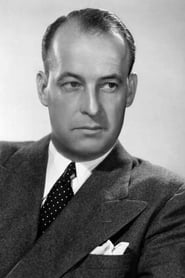
Richard Thorpe
Director
Born: February 24, 1896 in Hutchinson, Kansas, USA Died: May 1, 1991 Active: 1923-1967 Birth Name: Rollo Smolt Thorpe
Films
2 films
About Richard Thorpe
Richard Thorpe, born Rollo Smolt Thorpe, was one of Hollywood's most prolific and efficient directors during the Golden Age of cinema. Beginning his career as an actor in silent films, he transitioned to directing in the early 1920s, quickly establishing himself as a reliable studio filmmaker. Thorpe directed over 180 films across various genres, including westerns, musicals, dramas, and adventure films. He achieved particular success with MGM's Tarzan series starring Johnny Weissmuller, as well as notable musicals like 'The Great Caruso' and 'Jailhouse Rock' starring Elvis Presley. Known for his remarkable speed and efficiency, Thorpe often completed films ahead of schedule and under budget, making him a favorite of studio executives. His screen career spanned the silent era through the transition to sound and well into the television age, demonstrating remarkable adaptability. Despite his prolific output, Thorpe was never considered an auteur but rather a consummate studio craftsman who could deliver quality entertainment reliably.
The Craft
Behind the Camera
Richard Thorpe was known for his pragmatic, efficient, and versatile directing style. He excelled in studio system filmmaking, capable of working quickly across multiple genres while maintaining professional quality. Thorpe favored a straightforward, no-frills approach that prioritized storytelling and entertainment value over artistic experimentation. His techniques were characterized by clean, conventional cinematography and a focus on performance rather than visual pyrotechnics. He was particularly skilled at managing large productions and working with star performers, often bringing out their best performances within tight shooting schedules.
Milestones
- Directed the MGM Tarzan film series with Johnny Weissmuller
- Directed 'The Great Caruso' (1951), a major musical biopic
- Directed Elvis Presley's film debut 'Jailhouse Rock' (1957)
- Directed over 180 films in a career spanning four decades
- Known as one of Hollywood's fastest and most efficient directors
Best Known For
Must-See Films
Accolades
Special Recognition
- Hollywood Walk of Fame star (6101 Hollywood Blvd)
Working Relationships
Worked Often With
Studios
Why They Matter
Impact on Culture
Richard Thorpe's impact on Hollywood cinema was defined by his incredible productivity and versatility during the Golden Age. As. His work on the Tarzan series helped cement one of cinema's most enduring franchises, while his musicals like 'The Great Caruso' and 'Jailhouse Rock' captured the cultural zeitgeist of their respective eras. Thorpe's ability to transition seamlessly from silent films to talkies, and later to television, demonstrated the adaptability required in the rapidly changing entertainment landscape. His films, while not always critically acclaimed, consistently found audiences and contributed to the popular culture of mid-20th century America.
Lasting Legacy
Richard Thorpe's legacy is that of the consummate studio professional - a director who could be counted on to deliver entertaining films on time and under budget. While he never achieved the critical recognition of contemporaries like John Ford or Frank Capra, his influence on Hollywood's production methods was significant. Thorpe's career shows the importance of reliability and versatility in the studio system. His films continue to be enjoyed by classic cinema enthusiasts, particularly his Tarzan adventures and musicals. The success of his son, Jerry Thorpe, as a television director demonstrates the professional values and work ethic that Richard Thorpe embodied throughout his career.
Who They Inspired
Richard Thorpe influenced subsequent generations of filmmakers primarily through his demonstration of efficient production techniques and genre versatility. His ability to work across different film types while maintaining quality set a standard for studio directors. Television directors, particularly his son Jerry, benefited from his understanding of tight production schedules and commercial storytelling. Thorpe's work on star vehicles influenced how studios approached celebrity casting, showing how to effectively showcase star personalities within conventional narrative frameworks. His pragmatic approach to filmmaking influenced the development of television production methods, where speed and efficiency were paramount.
Off Screen
Richard Thorpe was married twice during his lifetime. His first marriage was to actress Edna Mae Wilson, with whom he had two children. After their divorce, he married Betty Chason in 1943, with whom he remained until his death. Thorpe was known as a family man who maintained a relatively private personal life despite his high-profile career in Hollywood. He was described by colleagues as a professional and reliable director who balanced his demanding career with his family responsibilities.
Education
Attended Hutchinson High School in Kansas; no formal film education, learned through practical experience in the film industry
Family
- Edna Mae Wilson (1924-1938, divorced)
- Betty Chason (1943-1991, his death)
Did You Know?
- Directed over 180 films in his career, making him one of Hollywood's most prolific directors
- Was originally an actor before transitioning to directing in the early 1920s
- Known for completing films ahead of schedule and under budget, earning him the nickname 'The One-Take Thorpe'
- His son Jerry Thorpe became a successful television director, working on shows like 'Gunsmoke' and 'Kung Fu'
- Directed Elvis Presley's film debut in 'Jailhouse Rock' (1957)
- Worked with Johnny Weissmuller on multiple Tarzan films, helping define the iconic character
- His birth name was Rollo Smolt Thorpe before he changed it to Richard for his film career
- Served in the United States Army during World War I before entering the film industry
- Was known for his ability to direct in multiple genres, from westerns to musicals to adventure films
- His efficiency was such that he once completed a film in just 12 days, which was unheard of at the time
In Their Own Words
I'm not an artist, I'm a craftsman. I make pictures that people want to see and that the studio can make money on.
The secret to directing is knowing when to say 'action' and when to say 'cut' - and not wasting time in between.
I never made a picture I wasn't proud of, even if some of them weren't very good.
Frequently Asked Questions
Who was Richard Thorpe?
Prolific American on YTB.my. He was known for his efficiency and versatility across multiple genres, particularly his work on the Tarzan series and musical films.
What films is Richard Thorpe best known for?
Titles linked here include Tarzan and His Mate (1934), Tarzan Finds a Son! (1939).
When was Richard Thorpe born and when did he die?
Born February 24, 1896; died May 1, 1991.
What awards did Richard Thorpe win?
Despite his prolific career, Richard Thorpe did not receive major competitive awards, though he was honored with a star on the Hollywood Walk of Fame at 6101 Hollywood Boulevard for his contributions to the film industry.
What was Richard Thorpe's directing style?
Thorpe's directing style was characterized by efficiency, versatility, and a pragmatic approach to filmmaking. He was known for completing films quickly and economically while maintaining professional quality, making him a favorite of studio executives.