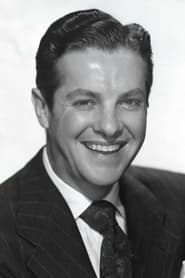
Robert Cummings
Actor
Born: March 10, 1910 in Joplin, Missouri, USA Died: December 2, 1990 Active: 1933-1978 Birth Name: Charles Clarence Robert Orville Cummings
Films
1 film
About Robert Cummings
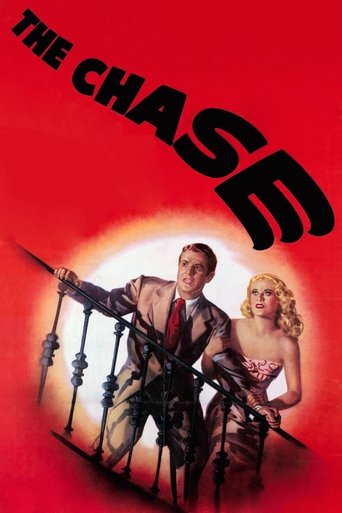
Prominent American actor: over four decades in Hollywood's Golden Age, beginning in the early 1930s. He started his career as a radio announcer and model before transitioning to film, quickly establishing himself as a versatile leading man capable of excelling in comedies, dramas, and thrillers. Cummings gained early recognition in films like 'Three Smart Girls' (1936) opposite Deanna Durbin, which helped launch his stardom. Throughout the 1940s, he demonstrated remarkable range, starring in Alfred Hitchcock's 'Saboteur' (1942) and the film noir 'The Chase' (1946). His career evolved successfully into television in the 1950s with hit shows like 'The Bob Cummings Show' (1955-1959), earning him Emmy Awards. He continued working in film and television through the 1960s and 1970s, maintaining his popularity across multiple generations of viewers. His smooth, sophisticated persona and comedic timing made him one of Hollywood's most reliable and beloved character actors.
The Craft
On Screen
Cummings was known for his smooth, sophisticated delivery and naturalistic acting style that set him apart from more theatrical performers of his era. He excelled at playing the charming, slightly bewildered everyman caught in extraordinary circumstances, bringing a sense of relatable humanity to his roles. His comedic timing was impeccable, allowing him to seamlessly transition between light comedy and dramatic tension, often within the same performance. He had a distinctive voice and manner that made him instantly recognizable, whether playing romantic leads or characters in suspense thrillers.
Milestones
- Film debut in 'The Virgin Man' (1933)
- Breakthrough role in 'Three Smart Girls' (1936)
- Starring role in Hitchcock's 'Saboteur' (1942)
- Lead role in 'The Chase' (1946)
- Created and starred in 'The Bob Cummings Show' (1955-1959)
- Won Emmy Award for Best Actor in a Comedy Series (1956, 1959)
- Starred in 'My Favorite Brunette' (1947) with Bob Hope
- Successful transition from film to television pioneer
Best Known For
Iconic Roles
Must-See Films
Accolades
Won
- Primetime Emmy Award for Outstanding Lead Actor in a Comedy Series (1956)
- Primetime Emmy Award for Outstanding Lead Actor in a Comedy Series (1959)
Nominated
- Primetime Emmy Award nomination for Best Actor in a Single Performance (1955)
- Golden Globe Award nomination for Best Actor - Motion Picture Musical or Comedy (1956)
Special Recognition
- Hollywood Walk of Fame star (6816 Hollywood Blvd)
- Named one of the top ten box office stars in 1945
- Honored by the Academy of Television Arts & Sciences for work in television comedy
Working Relationships
Worked Often With
Studios
Why They Matter
Impact on Culture
Robert Cummings played a significant role in bridging the gap between classic Hollywood cinema and the golden age of television. His successful transition from film star to television pioneer helped legitimize television as a medium for serious actors during a time when many film stars resisted the new medium. 'The Bob Cummings Show' was notable in its format and influenced countless subsequent sitcoms. His portrayal of the sophisticated, slightly neurotic everyman resonated with post-war American audiences and helped define the archetype of the American romantic comedy leading man for decades.
Lasting Legacy
Robert Cummings left an enduring legacy as one of Hollywood's most versatile and durable performers. His ability to excel in multiple genres—from Hitchcock thrillers to romantic comedies to television sitcoms—demonstrated remarkable adaptability. He helped establish the template for the modern television sitcom star, proving that film actors could successfully transition to the small screen. His Emmy wins were among the first awarded for television comedy, cementing his place in television history. Today, his films continue to be celebrated by classic cinema enthusiasts, particularly his work with Hitchcock and his contributions to the film noir genre.
Who They Inspired
Cummings influenced generations of actors through his naturalistic acting style and his work in television comedy. His smooth, understated approach to comedy influenced later sitcom stars like Dick Van Dyke and Mary Tyler Moore. His ability to balance comedy with dramatic tension set a standard for multi-genre performers. His successful career transition from film to television provided a model for later actors looking to expand their careers across different media. Many contemporary character actors cite his versatility and longevity as inspiration for their own careers.
Off Screen
Robert Cummings had a complex personal life marked by five marriages and numerous relationships. He was known for his charm off-screen as well as on, and his personal life often mirrored the romantic comedies he starred in. Despite his playboy reputation, he maintained close relationships with his children and was known as a devoted father. In his later years, he suffered from kidney disease and ultimately died from complications of the disease and a stroke. He was also an accomplished pilot and served as a flight instructor during World War II.
Education
Attended Joplin High School, studied at Drury College in Springfield, Missouri, and later attended the American Academy of Dramatic Arts in New York City
Family
- Emma Myers (1930-1933)
- Vivi Janiss (1933-1945)
- Mary Elliott (1945-1969)
- Regina Fong (1971-1984)
- Janice Hughes (1989-1990)
Did You Know?
- Was an accomplished pilot with over 3,000 flight hours
- Served as a flight instructor in the Army Air Corps during WWII
- Originally studied to be a doctor before pursuing acting
- Was a licensed radio operator before becoming an actor
- His character in 'The Bob Cummings Show' was based on his real-life reputation as a bachelor
- Was one of the first major film stars to successfully transition to television
- Appeared in over 90 films and television shows during his career
- Was a close friend of fellow actor Ronald Reagan
- His distinctive voice made him a popular choice for radio dramas early in his career
- Was known for his impeccable dress sense both on and off screen
- Often performed his own stunts, including flying sequences in films
- Was a founding member of the Television Academy of Arts and Sciences
In Their Own Words
I've always believed that comedy is serious business. You have to take it seriously to make it funny.
The secret to a good performance is making the unbelievable believable.
Television didn't kill movies, it just gave actors another stage to play on.
Working with Hitchcock was like attending a masterclass in suspense.
I never planned to be a television star, but I never planned to be a movie star either. I just wanted to work.
Frequently Asked Questions
Who was Robert Cummings?
Versatile American with credits in this catalog. He was known for his work in comedies, dramas, and thrillers, and was one of the first major film stars to successfully transition to television.
What films is Robert Cummings best known for?
Titles linked here include The Chase (1946), Saboteur (1942).
When was Robert Cummings born and when did he die?
Born March 10, 1910; died December 2, 1990.
What awards did Robert Cummings win?
Robert Cummings won two Primetime Emmy Awards for Outstanding Lead Actor in a Comedy Series for 'The Bob Cummings Show' in 1956 and 1959. He also received a star on the Hollywood Walk of Fame and was named one of the top ten box office stars in 1945.
What was Robert Cummings' acting style?
Cummings was known for his smooth, sophisticated delivery and naturalistic acting style that set him apart from more theatrical performers. He excelled at playing charming, slightly bewildered everymen caught in extraordinary circumstances, with impeccable comedic timing and the ability to seamlessly transition between comedy and drama.