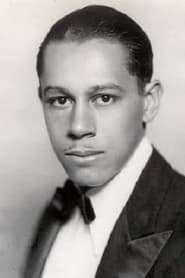
Cab Calloway
Actor
Born: December 25, 1907 in Rochester, New York, USA Died: November 18, 1994 Active: 1929-1994 Birth Name: Cabell Calloway III
Films
4 films
About Cab Calloway
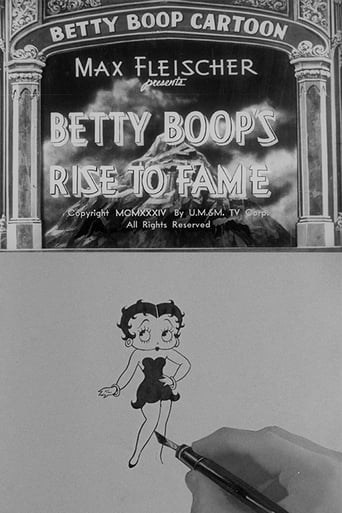
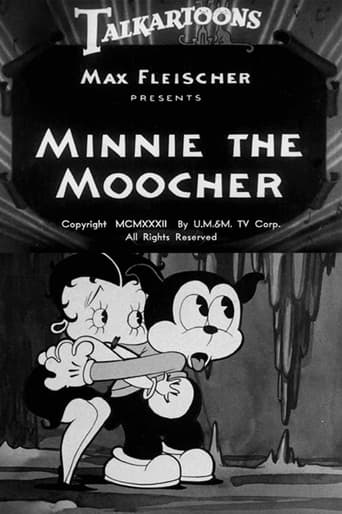
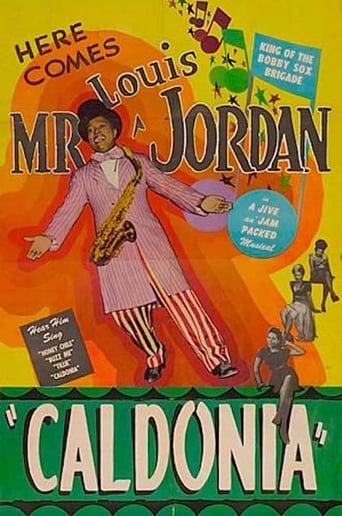
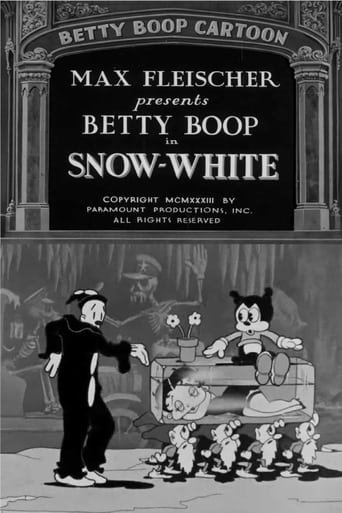
Cabell Calloway III, known professionally as Cab Calloway, was an American jazz singer, bandleader, and actor who rose to prominence during the swing era of the 1930s and 1940s. Born into a middle-class African American family, he began his musical career in Chicago before moving to New York City, where he took over as the bandleader at the Cotton Club following Duke Ellington's departure. Calloway's energetic performances, charismatic stage presence, and innovative scat singing style made him popular entertainers of his time, with his orchestra becoming successful big bands of the swing era. His signature song 'Minnie the Moocher' with its famous 'hi-de-ho' refrain became a cultural phenomenon and led to numerous film appearances, most notably in Max Fleischer's Betty Boop cartoons where he was animated performing his songs. Throughout his career, Calloway appeared in over 20 films, including feature films like 'Stormy Weather' (1943) and 'Sensations of 1945,' while continuing to record and tour with his orchestra. Despite changing musical tastes in the post-war era, Calloway remained a beloved figure in American entertainment, experiencing a major career resurgence in his later years with his memorable performance in 'The Blues Brothers' (1980). His influence extended beyond music into fashion, dance, and popular culture, making him a true icon of 20th-century entertainment.
The Craft
On Screen
Cab Calloway's acting style was characterized by his natural charisma, exaggerated gestures, and musicality that translated seamlessly from his stage performances to film. He often played himself or variations of his bandleader persona, bringing an infectious energy and showmanship to every appearance. His performances were marked by his distinctive voice, dynamic movements, and the ability to command attention whether singing or delivering dialogue.
Milestones
- Became bandleader at the Cotton Club in 1931
- Recorded 'Minnie the Moocher' which sold over one million copies
- Appeared in Betty Boop cartoons as animated character
- Starred in 'Stormy Weather' (1943) and 'Sensations of 1945'
- Performed at the Newport Jazz Festival in 1957
- Made comeback in 'The Blues Brothers' (1980)
- Published autobiography 'Of Minnie the Moocher and Me' in 1976
- Inducted into the Jazz Hall of Fame in 1981
Best Known For
Iconic Roles
Must-See Films
Accolades
Won
- Grammy Hall of Fame for 'Minnie the Moocher' (1999)
- National Medal of Arts (1993)
- Jazz Hall of Fame Inductee (1981)
- Big Band and Jazz Hall of Fame
Nominated
- NAACP Image Award for Outstanding Actor in a Motion Picture - The Blues Brothers (1981)
Special Recognition
- Hollywood Walk of Fame Star (1990)
- Black Filmmakers Hall of Fame Inductee (1975)
- International Jazz Hall of Fame
- American Jazz Hall of Fame
Working Relationships
Worked Often With
Studios
Why They Matter
Impact on Culture
Cab Calloway's cultural impact extended far beyond music, influencing fashion, dance, and popular culture throughout the 20th century. His signature white tuxedo tails and exaggerated performance style became iconic representations of the swing era, while his 'hi-de-ho' catchphrase entered the American lexicon. The Betty Boop cartoons featuring his performances introduced his music to millions and represented one of the first positive representations of African American performers in mainstream animation. Calloway's success as a Black bandleader during the Jim Crow era broke significant racial barriers in entertainment, paving the way for future generations of African American performers.
Lasting Legacy
Cab Calloway's legacy endures through his timeless recordings, film performances, and his influence on generations of musicians and entertainers. His innovative approach to scat singing and showmanship influenced artists from Michael Jackson to contemporary jazz performers. The preservation of his work through films, particularly the Betty Boop cartoons, has ensured that new generations continue to discover his unique talent. His autobiography and numerous documentaries about his life continue to educate audiences about the importance of African American contributions to American popular culture and the history of jazz.
Who They Inspired
Cab Calloway influenced countless musicians across multiple genres, from jazz and swing to R&B and hip-hop. His theatrical performance style and stagecraft influenced performers like James Brown, Michael Jackson, and Prince. His scat singing techniques influenced vocalists from Ella Fitzgerald to Bobby McFerrin. In film, his charismatic screen presence helped establish the template for musical performers transitioning to acting, influencing later entertainers from Frank Sinatra to Will Smith.
Off Screen
Cab Calloway came from a musical family and was raised primarily in Baltimore after his mother died when he was young. His father was a lawyer and his mother was a teacher and church organist. He married twice, first to Wenonah 'Betty' Conacher with whom he had two daughters, and later to Zulme 'Nuffie' Macrea who remained his wife until his death. Despite his fame, Calloway maintained a relatively private personal life, though he was known for his generosity and support of young musicians. He was also a Freemason and actively involved in various charitable organizations throughout his life.
Education
Attended Crane College (now Malcolm X College) in Chicago, studied law before pursuing music career
Family
- Wenonah 'Betty' Conacher (1928-1949)
- Zulme 'Nuffie' Macrea (1949-1994)
Did You Know?
- His signature song 'Minnie the Moocher' was the first jazz record by a Black artist to sell a million copies
- He was the first African American to have a nationally syndicated radio show
- His orchestra included future jazz legends like Dizzy Gillespie and Ben Webster
- The 'hi-de-ho' catchphrase became so popular that it was used in Looney Tunes cartoons
- He excelled in jive talk and published a 'Hepster's Dictionary' in 1938
- His dance style, including the 'zoot suit' look, influenced fashion trends nationwide
- He appeared in the first all-Black Hollywood musical 'The Big Broadcast' (1932)
- His daughter Camay became a successful writer and professor
- He performed at President Jimmy Carter's White House in 1978
- His final performance was just months before his death at age 86
In Their Own Words
Hi-de-ho, hi-de-ho, hi-de-ho!
I'm the hi-de-ho man, that's what I am
You get that rhythm, and you just can't sit still
Jazz music is the only true American art form
The Cotton Club was the top of the ladder for colored entertainers
I never tried to be a leader of anything but my orchestra
Scatting is just talking with music
When you're on stage, you've got to give them everything you've got
Frequently Asked Questions
Who was Cab Calloway?
American jazz singer, bandleader, and with credits in this catalog. He was known for his energetic performances, scat singing, and the hit song 'Minnie the Moocher' with its signature 'hi-de-ho' refrain. His active years covered over six decades, making him.
What films is Cab Calloway best known for?
Titles linked here include Minnie the Moocher (1932), Stormy Weather (1943).
When was Cab Calloway born and when did he die?
Born December 25, 1907; died November 18, 1994.
What awards did Cab Calloway win?
Cab Calloway received numerous honors including induction into the Jazz Hall of Fame in 1981, the Grammy Hall of Fame for 'Minnie the Moocher,' the National Medal of Arts in 1993, and a star on the Hollywood Walk of Fame in 1990. He was also inducted into the Black Filmmakers Hall of Fame and the Big Band and Jazz Hall of Fame for his contributions to American music and entertainment.
What was Cab Calloway's acting and performance style?
Cab Calloway's performance style was characterized by his charismatic showmanship, energetic stage presence, and distinctive scat singing technique. He was known for his flamboyant white tuxedo tails, exaggerated gestures, and the ability to connect with audiences through his 'hi-de-ho' catchphrase and jive talk. His acting style naturally extended from his musical performances, bringing the same infectious energy and charisma to his film roles.