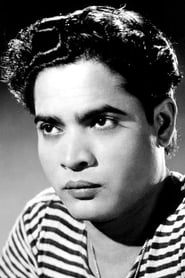
Sabu
Actor
Born: January 27, 1924 in Karapur, Mysore, India Died: December 2, 1963 Active: 1937-1963 Birth Name: Sabu Dastagir
Films
1 film
About Sabu
Sabu Dastagir, known mononymously as Sabu, was an Indian actor who became one of the first non-white actors to achieve international stardom in Hollywood. Born in 1924 in Karapur, Mysore, India, he was discovered at age 13 by documentary filmmaker Robert Flaherty while working as a stable boy for a local maharajah. His breakthrough role came in 'The Elephant Boy' (1937), which led to a contract with Alexander Korda's London Films and subsequent move to Hollywood. Sabu became a naturalized U.S. Citizen in 1944 and served with distinction in the U.S. Army Air Forces during World War II as a tail gunner, earning several military decorations. His career peaked in the late 1930s and early 1940s with roles in fantasy and adventure films that showcased his natural charisma and physical prowess. After his service, he struggled to regain his pre-war momentum in Hollywood, though he continued working in films through the 1950s. Tragically, his life was cut short when he died of a heart attack on December 2, 1963, at age 39, just before the release of his final film 'A Tiger Walks' (1964).
The Craft
On Screen
Sabu was known for his naturalistic and instinctive acting style, which was remarkable given his lack of formal training. He brought an authentic physicality and emotional honesty to his roles, particularly in adventure and fantasy films. His performances were characterized by a boyish charm, athletic grace, and an ability to convey wonder and innocence. Unlike many actors of his era, Sabu avoided theatrical mannerisms, instead relying on his natural charisma and the life experiences from his Indian upbringing. His style was particularly effective in roles requiring physical prowess and a connection to nature or animals.
Milestones
- Discovered by Robert Flaherty at age 13 while working as a stable boy
- Starred in breakthrough film 'The Elephant Boy' (1937)
- Became the first Indian actor to achieve international stardom
- Served in U.S. Army Air Forces during World War II as tail gunner
- Naturalized as U.S. Citizen in 1944
- Starred in Technicolor fantasy 'The Thief of Bagdad' (1940)
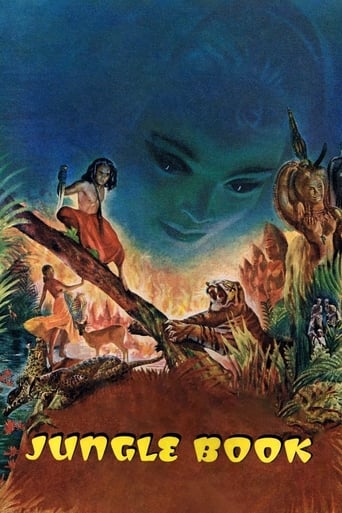
- Played Mowgli in 'Jungle Book' (1942)
- Received special Academy Award nomination for 'The Thief of Bagdad'
Best Known For
Iconic Roles
Must-See Films
Accolades
Won
- Academy Honorary Award (Juvenile Award) for 'The Elephant Boy' (1938)
- Military decorations including Air Medal and Flying Cross for WWII service
Nominated
- Academy Award nomination for Best Supporting Actor for 'The Thief of Bagdad' (1940) - Special Award category
Special Recognition
- Hollywood Walk of Fame star at 6600 Hollywood Boulevard
- Pioneer for actors of Indian descent in international cinema
- One of the first non-white actors to achieve leading man status in Hollywood
Working Relationships
Worked Often With
Studios
Why They Matter
Impact on Culture
Sabu's impact on cinema was groundbreaking as he broke racial barriers in Hollywood during an era of significant discrimination. As one of the first actors of Indian descent to achieve international stardom, he challenged stereotypes and demonstrated that non-white actors could carry major Hollywood productions. His success in leading roles during the 1930s and 1940s helped open doors for greater diversity in casting, though progress would remain slow for decades. Sabu's natural acting style contrasted with the theatrical approach common at the time, influencing more realistic performances in adventure films. His military service during WWII also helped challenge perceptions about immigrants and naturalized citizens. Beyond his acting, Sabu became a cultural bridge between East and West, introducing Western audiences to Indian culture and perspectives.
Lasting Legacy
Sabu's legacy endures as a trailblazer for diversity in international cinema and as a symbol of the possibilities for talent from any background to achieve global recognition. His films, particularly 'The Thief of Bagdad' and 'Jungle Book,' remain classics of the fantasy and adventure genres, continuing to influence contemporary filmmakers. Sabu demonstrated that actors from non-Western backgrounds could appeal to universal audiences without sacrificing their cultural identity. His story of discovery from humble beginnings to Hollywood stardom continues to inspire aspiring actors worldwide. While his career was cut short, his impact on breaking racial barriers in Hollywood paved the way for future generations of diverse actors. Modern scholars and film historians recognize Sabu as an important figure in the history of representation in cinema.
Who They Inspired
Sabu influenced subsequent generations of actors, particularly those of South Asian descent seeking careers in international cinema. His naturalistic acting style in an era of theatrical performances helped pave the way for more authentic screen acting. His success proved that non-white actors could be bankable stars in leading roles, influencing casting decisions in later decades. Directors and producers learned from his example that audiences would embrace diverse protagonists in mainstream films. His work in fantasy and adventure genres influenced how these genres would approach casting and character development. Contemporary actors of Indian descent, including Dev Patel, Irrfan Khan, and others, have acknowledged Sabu's role in opening doors for their careers.
Off Screen
Sabu married American actress Marilyn Cooper in 1948, and they had two children together, a son named Paul and a daughter named Jasmine. The marriage lasted until his death in 1963. Despite his Hollywood success, Sabu maintained strong connections to his Indian heritage and often spoke about his early life in India. He was known for his humility and down-to-earth personality, which endeared him to cast and crew members. His military service during WWII was a source of great pride, and he remained a patriotic American citizen throughout his life. Sabu's sudden death at age 39 shocked the film industry and cut short what many believed could have been a continued resurgence in his career.
Education
Limited formal education; left school at a young age to work and support his family before being discovered for films
Family
- Marilyn Cooper (1948-1963)
Did You Know?
- Was discovered at age 13 while working as a stable boy for the Maharaja of Mysore
- His full name was Selar Shaik Sabu, though he was professionally known simply as Sabu
- Earned approximately $400,000 during his Hollywood career - a substantial sum for the 1940s
- Served as a tail gunner in the U.S. Army Air Forces during WWII, flying 35 combat missions
- Was the first actor of Indian descent to receive an Academy Award nomination
- His son Paul Sabu became a successful rock musician and record producer
- Was a skilled horseman and performed many of his own stunts
- Spoke fluent English with a distinctive accent that became his trademark
- Was one of the first non-white actors to achieve leading man status in major Hollywood productions
- His final film 'A Tiger Walks' was released posthumously in 1964
- Maintained his Indian citizenship until becoming a naturalized American in 1944
In Their Own Words
I was just a stable boy. I never dreamed I would be in movies. It was like a fairy tale.
America has been very good to me. I am proud to be an American citizen.
I don't act. I just do what the director tells me. It's natural.
Flying in combat was scary, but it was my duty as an American.
The jungle was my home when I was a boy. It was easy to be Mowgli.
Frequently Asked Questions
Who was Sabu?
Indian with credits in this catalog. He was discovered as a teenager and starred in classic films including 'The Elephant Boy,' 'The Thief of Bagdad,' and 'Jungle Book.'
What films is Sabu best known for?
Titles linked here include The Elephant Boy (1937), The Thief of Bagdad (1940).
When was Sabu born and when did he die?
Born January 27, 1924; died December 2, 1963.
What awards did Sabu win?
Sabu received a special Academy Honorary Award (Juvenile Award) for 'The Elephant Boy' in 1938 and was nominated for another Academy Award for 'The Thief of Bagdad.' He also received military decorations for his service in WWII.
What was Sabu's acting style?
Sabu was known for his naturalistic and instinctive acting style, characterized by authenticity, physical grace, and emotional honesty. Unlike the theatrical style common in his era, he brought a natural charisma and boyish charm to his roles.