Ludwig Berger
Director
- Born
- January 6, 1892, Mainz, German Empire
- Died
- May 18, 1969
- Active
- 1910s-1950s
Films directed 1
About Ludwig Berger
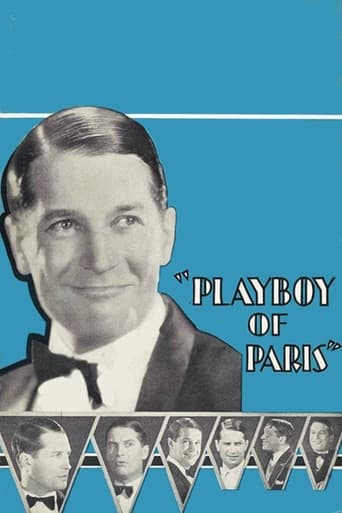
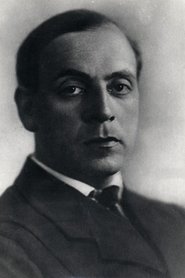
Ludwig Berger was a German film director, screenwriter, and theater artist whose career bridged the silent era and the coming of sound, making him one of the notable stylistic craftsmen of early European cinema. Born in Mainz, Germany, he first worked in the theater before moving into film, where he developed a reputation for elegant visual composition, sophisticated wit, and a cosmopolitan sensibility that suited adaptations of literary and stage material. During the late 1920s and early 1930s he became especially prominent in Germany and France, directing a number of polished productions that reflected the international character of European filmmaking at the time. One of his best-known early sound films is Playboy of Paris (1930), which helped establish him as a director capable of handling musical and light-comedy material with finesse. Berger later faced the disruptions of politics and exile that affected many German artists in the 1930s, and his career continued across different countries and production contexts rather than remaining tied to one national industry. He also worked on major prestige projects, including literary adaptations and productions associated with important European talent. Although he is not as universally famous as some of his contemporaries, he is remembered by film historians as a refined director whose work exemplified the sophistication of continental cinema in the transition to sound.
More about Ludwig Berger
Behind the camera
Berger's directing style is generally associated with elegance, theatrical refinement, and a polished handling of literary or stage-derived material. He favored controlled mise-en-scène, graceful pacing, and a cosmopolitan tone that could accommodate both comedy and drama. In the early sound era, he was particularly valued for his ability to integrate dialogue, music, and performance without losing visual sophistication. His films often suggest a director attentive to actors' timing and to the social atmosphere of a scene, rather than to extreme formal experimentation. Compared with more expressionist or overtly avant-garde contemporaries, his work tends to feel cultivated, balanced, and rooted in traditional narrative clarity.
In film history
Ludwig Berger contributed to the refinement of European popular cinema at a moment when film was evolving rapidly from silent artistry to synchronized sound. His films helped define a sophisticated, urbane style of continental entertainment that contrasted with the more sensational or overtly theatrical modes common in other markets. By working across Germany and France and by moving between stage-inspired storytelling and early sound cinema, he embodied the internationalism that characterized much of prewar European film culture. His work also stands as part of the larger history of filmmakers displaced or scattered by the political realities of the 1930s, an era that reshaped cinema across Europe and abroad. For modern historians, Berger represents a skilled craft director whose films reveal the polish and cross-cultural fluency of early European studio filmmaking.
Later reputation
Berger's legacy lies in his role as a sophisticated director of the silent-to-sound transition, especially within German and French cinema. While he is not among the most frequently cited canonical auteurs, his films remain important examples of how literary adaptation, theatrical sensibility, and early sound technology could be combined in graceful, commercially viable ways. He is remembered as part of the generation of European filmmakers whose careers were altered by political upheaval but whose work helped preserve a high level of artistry in mainstream cinema. Film historians value him for the quality of his craftsmanship and for the way his career reflects the broader story of interwar European film culture. His contributions are especially significant in understanding the international flow of talent between German and French productions during the early 20th century.
Influence
Berger influenced subsequent directors through his polished treatment of dialogue, actors, and sophisticated narrative form, especially in films derived from stage and literary sources. His work offered a model for balancing visual elegance with the demands of early sound production, an issue that many directors of the era struggled to solve. He also contributed to a transnational filmmaking style that other European directors and production teams could emulate when working across borders. Although his influence is more historical than popularly cited, his career helped shape the professional standard for refined continental studio entertainment.
Off screen
Ludwig Berger came from a German background and built his early career in the theater before becoming established in film. Like many European filmmakers of his generation, he lived through major political and cultural disruptions that influenced both his professional path and where he worked. Specific details about his private domestic life are less widely documented in standard film references than his artistic career, and there is no single universally cited account of a highly publicized family life. He is generally discussed more for his collaborations, literary adaptations, and movement across European cinema than for personal celebrity.
Education
He was trained primarily through theater practice rather than a single widely documented formal film-school education; detailed academic information is not commonly cited in standard film histories.
Credits
- Established himself in European theater before moving into cinema, bringing a strong sense of stagecraft and dramatic structure to his films.
- Became an important director in German and French cinema during the late silent and early sound periods.
- Directed Playboy of Paris (1930), one of the better-known early talkies associated with his career.
- Worked on prestige literary and theatrical adaptations that suited his elegant, urbane filmmaking style.
- Continued directing after the upheavals of the 1930s, demonstrating adaptability across different national industries and production systems.
Films
- Playboy of Paris (1930)
- Casanova (1927)
- The Desert Song (1929)
- The Congress Dances (1931)
- A Woman's Revenge (1931)
- The Battle of the Sexes (1931)
Collaborators
- European stage and screen actors of the late silent and early sound eras
- Producers and production teams associated with UFA and other continental studios
- Writers and adaptors working on theatrical and literary properties
Studios
- UFA
- French film production companies active in the early sound era
- European prestige production units associated with literary adaptations
Notes
- He was born in Mainz, a city with a long cultural and theatrical tradition that suited his eventual move into stage and screen work.
- Berger began in theater before making films, which helps explain the strong dramatic structure in much of his directing.
- He worked during one of the most volatile periods in film history: the transition from silent cinema to synchronized sound.
- Playboy of Paris (1930) is one of the titles most often associated with his early sound career.
- He worked across national boundaries, especially within German and French cinema, reflecting the international nature of European film production.
- His career is often discussed in relation to the wider group of German and Central European artists affected by the political changes of the 1930s.
- Berger is remembered more by film historians and classic-cinema scholars than by mainstream audiences, which is common for many directors of early European prestige films.
- His surviving reputation is tied to craftsmanship and elegance rather than to sensational or heavily stylized filmmaking.
Questions
Who was Ludwig Berger?
Ludwig Berger was a German film director and screenwriter who also had a strong background in theater. He became known for elegant, sophisticated films in the late silent and early sound eras, including Playboy of Paris (1930).
What films is Ludwig Berger best known for?
He is best known for Playboy of Paris (1930), along with other notable European productions such as Casanova (1927), The Desert Song (1929), and The Congress Dances (1931). His career is especially remembered for polished literary and theatrical adaptations.
When was Ludwig Berger born and when did he die?
He was born on January 6, 1892, in Mainz, German Empire. He died on May 18, 1969.
What awards did Ludwig Berger win?
There are no major awards or prestigious international honors widely documented in standard film references for Ludwig Berger. His reputation rests more on his body of work and historical importance in European cinema than on formal awards.
What was Ludwig Berger's directing style?
His directing style was elegant, controlled, and theatrical in the best sense, with a strong emphasis on composition, pacing, and actorly precision. He was especially effective with sophisticated comedy, literary adaptations, and early sound films that required a delicate balance between dialogue and visual storytelling.
What was Ludwig Berger's legacy in film history?
Berger is remembered as a refined craftsman of German and French cinema who helped shape the transition from silent film to sound. His work reflects the international and cultured side of early European studio filmmaking, and he remains of interest to historians studying interwar cinema.
What was Ludwig Berger's personal background?
He was born in Mainz and came to film through the theater, which strongly influenced his approach to directing. Detailed information about his private family life is less prominently recorded than his professional career.