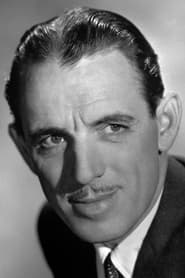
Tim Whelan
Director
Born: November 2, 1893 in Cannelton, Indiana, USA Died: August 12, 1957 Active: 1923-1957 Birth Name: Timothy John Whelan
Films
1 film
About Tim Whelan
American film director and screenwriter: the golden age of Hollywood, from the silent era through the 1950s. Born in Indiana in 1893, Whelan began his career as a journalist before transitioning to Hollywood, where he initially worked as a scriptwriter before moving into directing. He demonstrated remarkable versatility throughout his career, successfully directing films across multiple genres including comedy, drama, musicals, and westerns. Whelan was particularly known for his work with comedy teams, directing both the Marx Brothers and Abbott and Costello in some of their most memorable films. His ability to adapt to changing cinematic tastes and technological advances allowed him to maintain a steady career through the transition from silent films to talkies and beyond. Over his three-decade career, he directed more than 40 films and wrote numerous screenplays, working with some of Hollywood's biggest stars. Whelan passed away in 1957 in California, leaving behind a diverse filmography that exemplified the craftsmanship and entertainment values of classical Hollywood cinema.
The Craft
Behind the Camera
Tim Whelan's directing style was characterized by its versatility and commercial appeal, with a particular strength in comedy timing and ensemble management. He had a knack for balancing multiple comedic elements while maintaining narrative coherence, which made him especially effective with comedy teams. His approach was technically polished and efficient, reflecting the studio system's emphasis on craftsmanship and entertainment value. Whelan demonstrated a keen understanding of pacing and rhythm, crucial for both comedy and dramatic moments. While not considered an auteur with a distinctive visual signature, his films were marked by their professionalism, clarity, and ability to showcase star performances effectively.
Milestones
- Directed the Marx Brothers in 'The Big Store' (1941)
- Worked extensively with Abbott and Costello on multiple films
- Received Academy Award nomination for 'The Story of Vernon and Irene Castle' (1939)
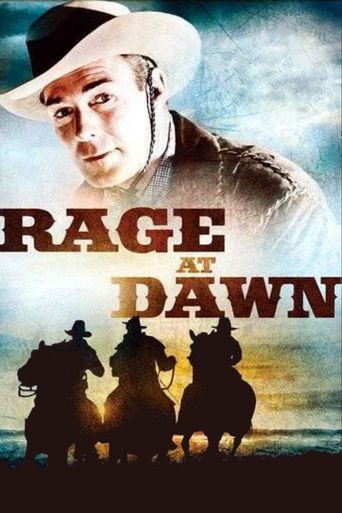
- Directed Randolph Scott in 'Rage at Dawn' (1955)
- Successfully transitioned from silent films to talkies
- Directed 'The Thin Man Goes Home' (1944) starring William Powell and Myrna Loy
Best Known For
Must-See Films
Accolades
Nominated
- Academy Award nomination for Best Writing (Original Screenplay) for 'The Story of Vernon and Irene Castle' (1939)
Working Relationships
Worked Often With
Studios
Why They Matter
Impact on Culture
Tim Whelan's cultural impact lies in his contributions to the development of comedy film techniques during Hollywood's golden age. His work with legendary comedy teams helped shape the template for ensemble comedy in American cinema, particularly in balancing multiple comedic personalities within a single narrative framework. While not a revolutionary filmmaker, Whelan's films reflected and reinforced the entertainment values that defined classical Hollywood cinema. His ability to work across genres demonstrated the versatility required of studio directors, and his successful active years covered significant technological and cultural changes in the film industry. The films he directed continue to be studied as examples of studio-era craftsmanship and the collaborative nature of Hollywood production.
Lasting Legacy
Tim Whelan's legacy is that of a consummate studio system director who exemplified the professionalism and versatility that characterized Hollywood's golden age. His diverse filmography, ranging from Marx Brothers comedies to Randolph Scott westerns, showcases the adaptability that was essential for longevity in the studio system. While not remembered as an auteur or visionary director, Whelan's work represents the high level of craftsmanship and entertainment value that defined classical Hollywood cinema. His films, particularly his comedies, continue to be enjoyed by audiences and studied by film scholars as examples of effective genre filmmaking. Whelan's career shows the importance of technical skill, versatility, and reliability in the Hollywood studio system.
Who They Inspired
Tim Whelan influenced subsequent generations of comedy directors through his effective handling of ensemble casts and comedic timing. His work with comedy teams provided valuable lessons in balancing multiple comedic personalities and maintaining narrative coherence amid chaotic humor. Directors who followed in his footsteps, particularly those working with comedy duos and ensembles, benefited from the techniques Whelan helped develop and refine. His approach to genre filmmaking demonstrated how to work within studio constraints while still delivering entertaining and commercially successful films. While not as widely cited as more famous directors, Whelan's influence can be seen in the work of later directors who specialized in comedy and genre entertainment.
Off Screen
Tim Whelan married actress and screenwriter Eve Greene, with whom he had two children. His marriage to Greene was both personal and professional, as they occasionally collaborated on film projects. Whelan was known in Hollywood circles as a reliable and professional director who could deliver quality films on schedule and within budget. Despite his success in the film industry, he maintained a relatively low public profile, focusing more on his craft than on celebrity status.
Education
Attended Indiana University before beginning his career as a journalist
Family
- Eve Greene (1930-1957)
Did You Know?
- Began his career as a journalist before entering the film industry
- Successfully made the transition from silent films to talkies
- Directed both the Marx Brothers and Abbott and Costello, two of the most famous comedy teams in Hollywood history
- His final film 'Rage at Dawn' was a western, demonstrating his versatility across genres
- Wrote many of his own screenplays in addition to directing
- Worked at virtually every major Hollywood studio during his career
- His wife Eve Greene was also a successful screenwriter
- Was known for his efficiency and ability to bring films in on time and under budget
- Directed over 40 films during his 34-year career
- Received his only Academy Award nomination for writing, not directing
In Their Own Words
The secret to comedy is timing, and the secret to timing is knowing when not to say anything.
In Hollywood, you're only as good as your last picture, so you'd better make it a good one.
Frequently Asked Questions
Who was Tim Whelan?
American on YTB.my.
What films is Tim Whelan best known for?
Titles linked here include Rage at Dawn (1955), The Thin Man Goes Home (1944).
When was Tim Whelan born and when did he die?
Born November 2, 1893; died August 12, 1957.
What awards did Tim Whelan win?
Tim Whelan received one Academy Award nomination for Best Writing (Original Screenplay) for 'The Story of Vernon and Irene Castle' in 1939, though he did not win. He did not receive other major industry awards during his career.
What was Tim Whelan's directing style?
Whelan's directing style was characterized by its versatility, commercial appeal, and particular strength in comedy timing and ensemble management. He was technically polished and efficient, with a keen understanding of pacing and rhythm that made him especially effective with comedy teams.
Did Tim Whelan work with any famous comedy teams?
Yes, Tim Whelan worked with both the Marx Brothers, directing them in 'The Big Store' (1941), and Abbott and Costello, directing them in several films including 'Hit the Ice' (1941) and 'Keep 'Em Flying' (1941).
How many films did Tim Whelan direct?
Tim Whelan directed over 40 films during his 34-year career, spanning from 1923 to 1955, working in genres ranging from comedy and drama to westerns and musicals.