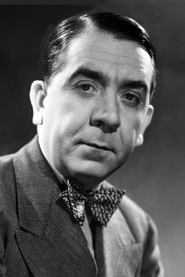
Herbert Mundin
Actor
Born: August 21, 1898 in St. Helens, Lancashire, England Died: March 5, 1939 Active: 1931-1939 Birth Name: Herbert Thomas Mundin
Films
1 film
About Herbert Mundin
Herbert Thomas Mundin — British-American character actor who became one of Hollywood's most recognizable comic performers during the 1930s. Born in Lancashire, England, he began his career in British music halls and theater before making his way to Hollywood in the early 1930s. Mundin quickly established himself as a reliable comic relief actor, known for his distinctive round face, prominent nose, and ability to portray nervous, flustered characters with perfect timing. Despite often playing roles much older than his actual age, he brought youthful energy and memorable physical comedy to every performance. His career, though tragically cut short by his death at age 40, included appearances in over 50 films, working with some of Hollywood's biggest stars. Mundin's most enduring legacy remains his performance as Much the Miller's Son in 'The Adventures of Robin Hood' (1938), but he also provided memorable comic relief in classics like 'Mutiny on the Bounty' and 'David Copperfield'. His unique style and scene-stealing abilities made him an essential part of Hollywood's studio system during its golden age.
The Craft
On Screen
Specialized in portraying nervous, flustered, and often cowardly characters with distinctive physical comedy. His performances featured a high-pitched voice, expressive facial reactions, and impeccable timing for comedic moments. Mundin had the unique ability to steal scenes despite often playing supporting roles, using his round face and prominent features to maximum comic effect.
Milestones
- Appeared in over 50 films during the 1930s
- Played Much the Miller's Son in 'The Adventures of Robin Hood' (1938)
- Provided comic relief in 'Mutiny on the Bounty' (1935)
- Transitioned from British music halls to Hollywood films
- Worked with major stars like Errol Flynn and Clark Gable
Best Known For
Iconic Roles
Must-See Films
Accolades
Special Recognition
- Remembered as one of Hollywood's most reliable character actors of the 1930s
Working Relationships
Worked Often With
Studios
Why They Matter
Impact on Culture
Herbert Mundin represented the essential character actor who provided crucial comic relief in Hollywood's golden age productions. His distinctive style and memorable performances helped define the supporting cast system that made studio-era films so successful. Mundin's ability to create memorable characters in limited screen time influenced how comic relief would be integrated into major productions for decades to come.
Lasting Legacy
Herbert Mundin's legacy lives on through his memorable performances in classic 1930s films, particularly his scene-stealing role in 'The Adventures of Robin Hood'. He exemplifies the type of versatile character actor essential to Hollywood's studio system, capable of elevating any production with his comic timing and distinctive presence. His relatively brief but prolific career demonstrates the impact a skilled character actor could have during cinema's golden age.
Who They Inspired
Mundin's approach to comic character acting influenced subsequent generations of character actors who specialized in providing comic relief in dramatic productions. His ability to create fully realized comedic characters in limited screen time set a standard for supporting performances in Hollywood films.
Off Screen
Herbert Mundin served in World War I before pursuing his acting career. He married twice, first to actress Bessie Love, and later to Peggy Hamilton, with whom he remained until his death. Despite his success in Hollywood, he maintained connections to his British roots throughout his career. His life was tragically cut short when he died in a car accident in California at the age of 40, just as his career was reaching its peak.
Education
Limited information available; likely received basic education in England before pursuing theater career
Family
- Bessie Love (1926-1929)
- Peggy Hamilton (1933-1939)
Did You Know?
- Died in a car accident at age 40, cutting short a promising career
- Began his career in British music halls before transitioning to film
- Often played characters significantly older than his actual age
- Served in World War I before pursuing acting
- Despite being British, became typecast in American productions
- His distinctive appearance included a prominent nose and round face
- Had the ability to steal scenes despite often having small roles
- Appeared in over 50 films in less than a decade
- His role in 'The Adventures of Robin Hood' remains his most famous performance
- Was married to actress Bessie Love early in his career
In Their Own Words
Information about specific famous quotes not widely documented
Frequently Asked Questions
Who was Herbert Mundin?
British-American character with credits in this catalog.
What films is Herbert Mundin best known for?
Titles linked here include The Adventures of Robin Hood (1938), Mutiny on the Bounty (1935).
When was Herbert Mundin born and when did he die?
Born August 21, 1898; died March 5, 1939.
What awards did Herbert Mundin win?
Herbert Mundin did not receive any major awards or nominations during his career, though he was widely recognized as one of Hollywood's most reliable character actors.
What was Herbert Mundin's acting style?
Mundin specialized in portraying nervous, flustered characters with distinctive physical comedy, using his expressive face and high-pitched voice to create memorable comic relief in supporting roles.
How long was Herbert Mundin's film career?
His Hollywood film active years covered from 1931 to 1939, during which he appeared in over 50 films, though he had previously worked in British theater and music halls.
What was Herbert Mundin's most famous role?
His most famous role was Much the Miller's Son in 'The Adventures of Robin Hood' (1938), where he provided comic relief alongside Errol Flynn's legendary performance.