
Films
1 film
About Lalita Kumari
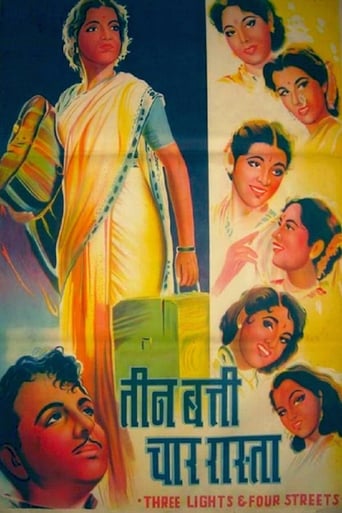
Lalita Kumari worked on Hindi cinema during the early 1950s. Her known film career was notably brief, with her only documented appearance being in the 1953 film 'Teen Batti Char Raasta.' The film, which translates to 'Three Lamps, Four Roads,' was part of the post-independence wave of Indian cinema that was exploring social themes and family dynamics. Like many character actors of that era, she may have been part of the supporting cast, contributing to the ensemble that brought these stories to life. The limited documentation of her career suggests she may have been a minor character actor or possibly someone who briefly entered the film industry before pursuing other interests. Her appearance in this film places her within the golden era of Hindi cinema, a period that saw the emergence of many talented performers who, while not achieving mainstream stardom, contributed significantly to the Indian filmmaking.
The Craft
Milestones
- Appeared in 'Teen Batti Char Raasta' (1953)
Best Known For
Must-See Films
Why They Matter
Impact on Culture
As a minor actress from the early 1950s Hindi cinema, Lalita Kumari's cultural impact appears to have been limited to her contribution to 'Teen Batti Char Raasta.' During this period, Indian cinema was experiencing significant growth and transformation, with films often reflecting the social changes occurring in post-independence India. Even minor actors like Kumari played their part in this cinematic revolution, helping to create the authentic ensemble performances that characterized many films of this era. The lack of extensive documentation about her career is reflective of how many supporting actors from this period have been overlooked in film historical records, despite their contributions to the films that helped define Indian cinema's golden age.
Lasting Legacy
Lalita Kumari's legacy is primarily preserved through her appearance in 'Teen Batti Char Raasta' (1953), a film that stands as proof of the collaborative nature of Indian cinema's golden age. While she may not have achieved the lasting fame of leading actors of her time, her contribution represents the countless character actors and supporting performers who were essential to creating the rich, immersive worlds of classic Hindi films. Her brief film career serves as a reminder of the many talented individuals who passed through the Indian film industry during its formative years, each leaving their mark, however small, on the evolution of cinema. The preservation of her name in film credits ensures that future generations of film historians and enthusiasts can acknowledge the collective effort that went into creating the classics of this era.
Who They Inspired
Due to the limited documentation of Lalita Kumari's career, her specific influence on other actors or directors cannot be definitively determined. However, like all actors who worked during the golden age of Hindi cinema, she would have been part of an ecosystem that was establishing acting techniques and performance styles that would influence future generations of Indian actors. The collaborative nature of film production during this era meant that even minor performers contributed to the overall artistic development of the medium, helping to shape the conventions and traditions that would define Indian cinema for decades to come.
Off Screen
Very limited information is available about Lalita Kumari's personal life, which is not uncommon for supporting actors from this era of Indian cinema who did not achieve widespread fame.
Did You Know?
- Lalita Kumari's entire known film career consists of just one film from 1953
- Her film 'Teen Batti Char Raasta' was released during the early golden age of Hindi cinema
- The title of her only known film translates to 'Three Lamps, Four Roads' in English
- Her active period of 1953-1953 suggests she may have had a very brief career in films
- Like many supporting actors of her era, detailed biographical information about her is scarce
- She was part of the post-independence wave of Indian cinema that explored contemporary social themes
Frequently Asked Questions
Who was Lalita Kumari?
Indian actress from the early 1950s who is known for appearing in the Hindi film 'Teen Batti Char Raasta' in 1953. Her documented film career appears to have been very brief, spanning only that single year.
What films is Lalita Kumari best known for?
Titles linked here include Teen Batti Char Raasta (1953).
When was Lalita Kumari born and when did she die?
Specific birth and death dates for Lalita Kumari are not available in documented sources. This is not uncommon for supporting actors from this era of Indian cinema who did not achieve widespread fame.
What awards did Lalita Kumari win?
There are no documented awards or nominations for Lalita Kumari. This is typical for many character actors and supporting performers from the early 1950s Hindi cinema industry.
What was Lalita Kumari's acting style?
Specific details about Lalita Kumari's acting style are not documented, likely due to the limited filmography and the lack of extensive critical reviews or interviews from that period focusing on supporting cast members.