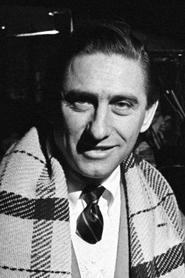
David Miller
Director
Born: November 28, 1909 in Paterson, New Jersey, United States Died: April 14, 1992 Active: 1935-1975
Films
1 film
About David Miller
American film director who had a significant career in Hollywood spanning from the 1930s through the 1960s. He began his career in the film industry as a scriptwriter and gradually transitioned into directing, working on various genres including film noir, comedy, and drama. Miller demonstrated versatility throughout his career, directing both feature films and documentaries. His work often showcased strong character development and compelling narratives. While he may not be as widely remembered as some of his contemporaries, Miller contributed substantially to mid-century cinema with films featuring major Hollywood stars. His directorial approach balanced commercial appeal with artistic sensibility, making him a reliable studio director during Hollywood's Golden Age. Later in his career, he also worked in television, adapting his cinematic skills to the small screen format.
The Craft
Behind the Camera
David Miller was known for his versatility across genres, adept at handling comedy, drama, and film noir with equal competence. His directing style emphasized clear storytelling and strong performances, often working effectively with established stars. Miller had a particular talent for creating tension in thriller and noir films while maintaining visual clarity. His approach was generally mainstream and accessible, fitting well within the studio system while still allowing for artistic moments. He balanced technical proficiency with emotional resonance in his films.
Milestones
- Directed 'Flying Leathernecks' (1951) starring John Wayne
- Directed 'Love Happy' (1949) featuring the Marx Brothers
- Directed 'Midnight Lace' (1960) with Doris Day
- Directed 'Happy Anniversary' (1959) starring David Niven
- Directed 'Sudden Fear' (1952) starring Joan Crawford
Best Known For
Must-See Films
Accolades
Won
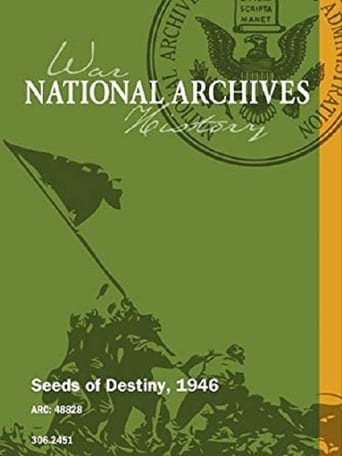
- Academy Award for Best Documentary Short Subject - Seeds of Destiny (1946)
Nominated
- Academy Award nomination for Best Writing, Original Story - Tenth Avenue Kid (1938)
Special Recognition
- Academy Award winner for documentary filmmaking
Working Relationships
Worked Often With
Studios
Why They Matter
Impact on Culture
David Miller contributed to Hollywood's Golden Age by delivering reliable, well-crafted films across multiple genres. His work with major stars helped define the star system era of cinema, particularly in the 1950s. The documentary 'Seeds of Destiny' had significant cultural impact as it brought attention to post-war humanitarian crises and influenced public opinion about reconstruction efforts. Miller's genre versatility demonstrated the adaptability required of studio directors during Hollywood's peak production years. His transition to television in later years helped bridge the gap between cinematic and television storytelling techniques.
Lasting Legacy
David Miller's legacy lies in his substantial body of work that exemplifies the studio system era at its most productive. While not a household name like some of his contemporaries, his films remain representative of mid-century Hollywood craftsmanship. His Academy Award-winning documentary work stands as a significant contribution to wartime and post-war cinema. Miller's career trajectory from writer to director to television pioneer reflects the evolution of the entertainment industry itself. His films continue to be studied as examples of genre filmmaking during one of Hollywood's most creative periods.
Who They Inspired
Miller influenced subsequent generations of directors through his demonstration of genre versatility and professional reliability. His work with major stars provided templates for effective star-driven filmmaking. The success of 'Seeds of Destiny' helped establish the importance of documentary filmmaking in raising social awareness. His transition to television during the industry's transformation showed directors how to adapt to new media. Younger filmmakers learned from his example how to maintain artistic integrity while working within commercial constraints.
Off Screen
David Miller maintained a relatively private personal life despite his Hollywood career. He was married to actress and screenwriter Patricia Morison for a period, though details about their relationship remain limited. Miller was known as a professional who focused primarily on his craft rather than seeking celebrity status. His dedication to filmmaking was evident throughout his long career, during which he adapted to changing industry trends from the studio system era through the rise of television. Later in life, he continued working in television, demonstrating his ability to evolve with the medium.
Education
Educated at Columbia University, studied literature and journalism before entering film industry
Family
- Patricia Morison (1940s-1950s)
Did You Know?
- Began his career as a journalist before transitioning to film
- Won an Academy Award for documentary work before establishing himself as a feature director
- Directed the Marx Brothers in their final film together, 'Love Happy'
- Worked with John Wayne on two occasions, including the war film 'Flying Leathernecks'
- Successfully transitioned from film to television directing in the 1960s
- His film 'Sudden Fear' received critical acclaim for Joan Crawford's performance
- Adapted his directing style to accommodate the rise of CinemaScope in the 1950s
- Often worked with strong female leads, including Doris Day and Joan Crawford
- His documentary work focused on humanitarian and social issues
- Maintained a steady career through multiple decades of changing industry trends
In Their Own Words
The key to directing is knowing what you want and how to get it from your actors.
Every film has its own rhythm; the director's job is to find it.
Working in documentaries taught me the importance of truth in storytelling.
Frequently Asked Questions
Who was David Miller?
American on YTB.my. He directed films featuring major Hollywood stars and won an Academy Award for documentary work.
What films is David Miller best known for?
Titles linked here include Flying Leathernecks (1951), Love Happy (1949).
When was David Miller born and when did he die?
Born November 28, 1909; died April 14, 1992.
What awards did David Miller win?
David Miller won the Academy Award for Best Documentary Short Subject for 'Seeds of Destiny' in 1946. He also received an Academy Award nomination for Best Writing, Original Story for 'Tenth Avenue Kid' in 1938.
What was David Miller's directing style?
Miller was known for his versatility across genres, emphasizing clear storytelling and strong performances. His style balanced commercial appeal with artistic sensibility, and he was particularly adept at creating tension in thriller and noir films while maintaining visual clarity.
Did David Miller work with major Hollywood stars?
Yes, Miller worked with many major stars including John Wayne, Joan Crawford, Doris Day, David Niven, and the Marx Brothers. His ability to direct established talent effectively made him a valuable studio director during Hollywood's Golden Age.
How did David Miller's career evolve over time?
Miller began as a scriptwriter in the 1930s, transitioned to directing feature films in the 1940s and 1950s, and later adapted to television directing in the 1960s and 1970s. His active years covered multiple decades and demonstrated remarkable adaptability to changing industry trends.