Lyndon B. Johnson
Actor
Born: August 27, 1908 in Stonewall, Texas, USA Died: January 22, 1973 Active: 1964-1964 Birth Name: Lyndon Baines Johnson
Films
1 film
About Lyndon B. Johnson
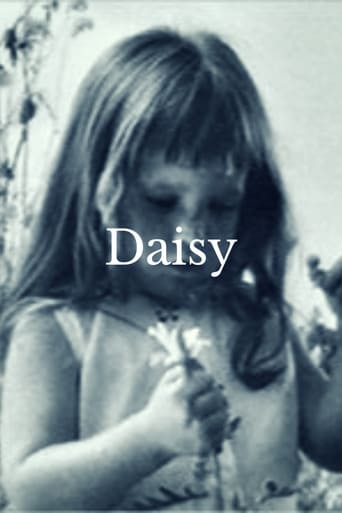
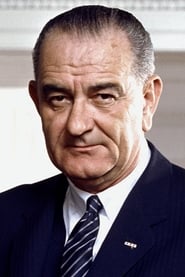
Lyndon B. Johnson was not a classic cinema actor but rather the 36th President of the United States who appeared in the famous 1964 political campaign advertisement 'Daisy' (sometimes referred to as 'Peace, little girl'). Born in a small farmhouse in the Texas Hill Country, Johnson rose from poverty to become powerful politicians in American history. He served in the U.S. House of Representatives and Senate before becoming Vice President under John F. Kennedy. Following Kennedy's assassination in 1963, Johnson assumed the presidency and won a full term in the 1964 election. His appearance in the controversial 'Daisy' ad was not a traditional acting role but rather his image used in a political advertisement that became campaign commercials in history. Johnson's presidency was marked by significant civil rights legislation, the escalation of the Vietnam War, and ambitious domestic programs known as the Great Society.
The Craft
On Screen
Not applicable - appeared as himself in political advertisement
Milestones
- Assumed Presidency after JFK assassination (1963)
- Signed Civil Rights Act (1964)
- Won landslide election victory (1964)
- Launched Great Society programs
- Escalated U.S. Involvement in Vietnam
Best Known For
Iconic Roles
Must-See Films
Accolades
Won
- Presidential Medal of Freedom (posthumously, 1980)
- Congressional Gold Medal (posthumously, 2019)
Nominated
- Democratic Party nomination for President (1964)
- Democratic Party nomination for Vice President (1960)
Special Recognition
- LBJ Presidential Library dedicated (1971)
- Numerous schools, buildings, and spaces named in his honor
Why They Matter
Impact on Culture
The 'Daisy' advertisement featuring Johnson's image revolutionized political campaigning and television advertising. Though not a traditional cinema figure, Johnson's presidency coincided with significant cultural changes in America, and his administration's policies influenced the social and political landscape that shaped 1960s and 1970s American cinema. The Vietnam War, which escalated under his leadership, became a major theme in films of the late 1960s and 1970s.
Lasting Legacy
Johnson's legacy in American history is complex and controversial, marked by landmark civil rights achievements and the divisive Vietnam War. The 'Daisy' ad created a new paradigm for political advertising that continues to influence campaigns today. His Great Society programs fundamentally altered the American social contract, while his handling of Vietnam continues to be debated by historians and filmmakers alike.
Who They Inspired
While not directly influencing cinema as an artist, Johnson's presidency and policies influenced countless films dealing with civil rights, Vietnam, and 1960s American politics. His larger-than-life personality and dramatic political career have inspired numerous documentaries and dramatic portrayals in films and television series about the era.
Off Screen
Johnson married Lady Bird Johnson in 1934, and she became an influential First Lady known for her environmental conservation efforts. They had two daughters, Lynda Bird and Luci Baines. Johnson was known for his imposing physical presence, his 'Johnson Treatment' of persuasive personal interaction, and his complex personality that combined political genius with personal insecurities. He retired to his Texas ranch after leaving office and spent his final years writing memoirs and overseeing his presidential library.
Education
Texas State University (BS), Georgetown University (briefly attended)
Family
- Claudia Alta 'Lady Bird' Johnson (1934-1973)
Did You Know?
- The 'Daisy' ad aired only once on September 7, 1964, but became legendary
- Johnson was 6'3" tall, one of the tallest presidents
- He was a teacher before entering politics
- Johnson owned a 2,700-acre ranch in Texas
- He was the first president to appoint an African American to the Supreme Court (Thurgood Marshall)
- Johnson loved Fresca soda and had a fountain installed in the Oval Office
- He was a decorated Navy veteran of World War II
- Johnson gave more than 100 speeches during his 1964 campaign
- He was known for his colorful language and storytelling ability
- The 'Daisy' ad was created by the Doyle Dane Bernbach advertising agency
In Their Own Words
We shall overcome.
I do not believe the Great Society is the ordered, changeless, sterile society of the communist. I do not believe in the ant heap society.
The presidency has made every man who occupied it, no matter how small, bigger than he was and no matter how big, not big enough for its demands.
Yesterday is not ours to recover, but tomorrow is ours to win or lose.
I am a man who believes that the truth is the only weapon we have.
Frequently Asked Questions
Who was Lyndon B. Johnson?
Lyndon B. Johnson was the 36th President of the United States (1963-1969) who assumed office after John F. Kennedy's assassination. He was known for his Great Society domestic programs and civil rights legislation, as well as for escalating U.S. Involvement in the Vietnam War.
What films is Lyndon B. Johnson best known for?
Titles linked here include 'Daisy' (1964) - Political campaign advertisement.
When was Lyndon B. Johnson born and when did he die?
Born August 27, 1908; died January 22, 1973.
What awards did Lyndon B. Johnson win?
Johnson received the Presidential Medal of Freedom posthumously in 1980 and the Congressional Gold Medal posthumously in 2019. He also won a landslide electoral victory in the 1964 presidential election.
What was Lyndon B. Johnson's acting style?
Johnson was not an actor and had no acting style. His appearance in the 'Daisy' advertisement was as himself in a political context, not a dramatic performance. He was known for his persuasive political style called the 'Johnson Treatment'.