
Hannes Schneider
Actor
- Born
- June 24, 1890, Lech am Arlberg, Austria
- Died
- April 26, 1955
- Active
- 1920-1920
Films 1
About Hannes Schneider
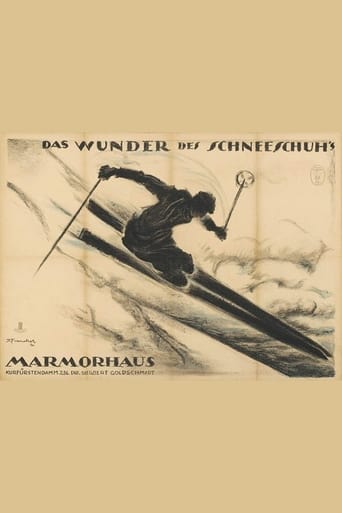
Hannes Schneider was best known not as a screen performer in the usual sense, but as the legendary Austrian ski pioneer and alpine instructor whose life and expertise occasionally intersected with film culture in the early 20th century. He is credited in the 1920 production Das Wunder des Schneeschuhs, a title that reflects his association with winter sports, mountain life, and the ski movement that made him internationally famous. Schneider’s importance in classic-era screen history lies in the way his real-life identity as a charismatic mountain sports authority could be adapted for cinema at a time when silent films often drew on vivid regional personalities and authentic outdoor spectacle. Outside the single film credit identified here, he is overwhelmingly documented in history as a skier, teacher, and innovator rather than a conventional actor with a broad film career. His renown grew from his role in popularizing modern alpine skiing techniques, and he became one of the most influential figures in the development of ski instruction in Europe and later abroad. Because of that, his film appearance should be understood as an extension of his public persona rather than the beginning of a standard acting career. In cinematic terms, he belongs to the broader silent-era tradition of notable specialists and sports figures appearing in films that capitalized on authenticity, landscape, and contemporary fascination with modern recreation.
More about Hannes Schneider
On screen
His known screen presence was likely grounded in authenticity rather than trained theatrical performance, reflecting his real-life authority as a mountain and skiing expert. Since his film credit appears tied to winter sports subject matter, his on-screen style would have been practical, natural, and documentary-like in spirit, suited to silent-era scenic and athletic filmmaking. There is no evidence of a sustained acting technique or dramatic screen persona beyond this specialized appearance.
In film history
Hannes Schneider’s cultural impact is strongest in the history of sport and regional modernity, but it also touches cinema through the silent film era’s fascination with authentic outdoor expertise and spectacular landscapes. His appearance in Das Wunder des Schneeschuhs reflects a period when film frequently drew on celebrated local figures to lend credibility and appeal to productions centered on nature, athletics, and travel. As a real-world alpine authority, he embodied the blending of documentary authenticity and entertainment that helped early film expand beyond studio interiors into the mountains, slopes, and open air. In broader cultural terms, Schneider helped turn skiing from a specialized mountain practice into an organized, internationally recognized sport, which in turn made alpine life more visible in popular culture.
Later reputation
Schneider’s lasting legacy is overwhelmingly connected to the evolution of modern skiing, but for film historians he remains an example of a non-actor specialist whose presence in an early film adds historical texture to silent cinema. His name endures in winter sports history as a foundational figure in ski instruction, and that reputation gives his screen credit an unusual significance: it connects classic cinema to the real social history of alpine recreation. While he did not build a conventional acting career, his documented film appearance preserves a moment when cinema intersected with sport, tourism, and regional identity in a highly tangible way. In the wider historical record, his legacy is that of a pioneer whose influence extended far beyond the screen, shaping how generations of skiers learned, taught, and imagined the mountains.
Influence
He influenced generations of ski instructors, alpine athletes, and mountain tourism promoters through the methods and institutions associated with his name. In cinematic terms, his influence was indirect but meaningful: he helped establish the kind of authentic alpine subject matter that silent films could dramatize using real specialists rather than only actors. The aura of expertise he brought to screen-adjacent projects helped validate the use of genuine practitioners in film, especially in outdoor and sports-related productions.
Off screen
Hannes Schneider was born in the Austrian Alps and grew up in a mountain environment that shaped his lifelong connection to skiing and alpine culture. He is far better documented as an instructor, innovator, and public figure than as a private celebrity of the film world. His later life was marked by international recognition and by the broader historical disruptions of the 20th century, including the political tensions that affected many Austrian cultural figures. Detailed information about marriages and children is not consistently documented in the classic cinema sources connected to his screen credit, and his personal life is therefore only partially available in film reference contexts.
Education
Formal academic education is not prominently documented in the film references available for this personality; his expertise came primarily through lived experience in the Alps and practical apprenticeship in skiing and mountain life.
Credits
- Credited in the 1920 silent-era film Das Wunder des Schneeschuhs
- Became internationally renowned as a pioneer of alpine ski instruction
- Helped establish modern skiing methods associated with the Arlberg technique
- Founded and led influential ski schools that trained skiers from across Europe and beyond
- Became a major historical figure in the development and popularization of winter sports culture
Roles
- Ski pioneer appearing as himself or in a role closely aligned with his public identity in Das Wunder des Schneeschuhs
Films
- Das Wunder des Schneeschuhs (1920)
Honors
- Recognized historically as one of the founders of modern alpine ski instruction
- Celebrated in skiing history for the Arlberg method and his influence on winter sports education
Notes
- He is credited with the 1920 title Das Wunder des Schneeschuhs, making him a rare example of a ski pioneer with a classic-era film credit.
- He is much better known in sports history than in cinema history.
- His career helped standardize alpine ski instruction at a time when skiing was rapidly becoming an organized international sport.
- His life and work are closely associated with the Austrian Arlberg region, one of the most important centers in early alpine skiing.
- His screen credit reflects the silent era's habit of featuring authentic specialists in films about travel, sport, and outdoor spectacle.
- Because his filmography is extremely limited, he is often overlooked in mainstream film databases despite his historical significance.
- He is an example of a personality whose cultural fame in one field spilled over briefly into cinema.
Questions
Who was Hannes Schneider?
Hannes Schneider was an Austrian ski pioneer and instructor who is also credited in the 1920 silent film Das Wunder des Schneeschuhs. In film history, he is notable more as a real-life winter sports authority than as a conventional screen actor. His presence in early cinema reflects the silent era's interest in authentic specialists and alpine subjects.
What films is Hannes Schneider best known for?
He is primarily associated with Das Wunder des Schneeschuhs (1920), which is the key film credit tied to his name in classic cinema references. Outside that title, he is not known for a broad acting filmography. His fame comes chiefly from skiing and mountain culture rather than from acting roles.
When was Hannes Schneider born and when did he die?
Hannes Schneider was born on June 24, 1890, in Lech am Arlberg, Austria. He died on April 26, 1955. His life spanned the formative decades of modern skiing and the silent film era.
What awards did Hannes Schneider win?
No major film awards or nominations are documented for Hannes Schneider in connection with his classic cinema credit. His recognition came primarily through his historic influence on alpine skiing rather than through the film awards system. He is honored more as a sports pioneer than as an award-winning actor.
What was Hannes Schneider's acting style?
There is no evidence of a developed acting career or a distinct dramatic screen persona. His film presence would have been rooted in authenticity, physical expertise, and natural suitability for an alpine subject. In that sense, he fit the silent-era pattern of real specialists appearing in films that needed credible sporting or outdoor imagery.
What is Hannes Schneider's legacy?
His legacy is strongest in the history of skiing, where he is regarded as a foundational figure in modern alpine instruction. For cinema historians, he remains a fascinating crossover personality whose brief screen credit connects classic film to the real culture of winter sports. He is remembered as someone whose influence extended far beyond the screen.