Films
1 film
About Barbara Rush
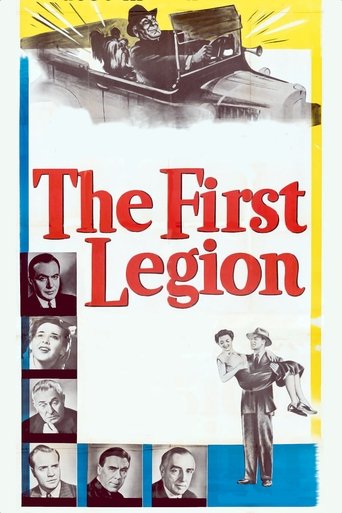
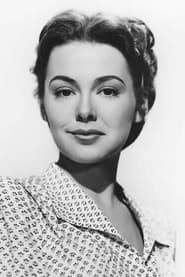
Barbara Rush was born on January 4, 1927, in Denver, Colorado, and rose to prominence as one of Hollywood's most versatile actresses during the Golden Age of cinema. She made her film debut in 'The First Legion' (1951) and quickly established herself as a talented performer capable of handling both dramatic and comedic roles with equal skill. Rush's breakthrough came with her Golden Globe-winning performance in 'Magnificent Obsession' (1954), which launched her into stardom and led to a contract with Universal-International. Throughout the 1950s and 1960s, she became particularly known for her work in science fiction films, including the classic 'It Came from Outer Space' (1953), where she played opposite Richard Carlson. Her career extended successfully into television, where she appeared in numerous popular series including 'Peyton Place,' 'The Fugitive,' and 'Murder, She Wrote.' Rush continued working steadily through the 1970s, 80s, and beyond, demonstrating remarkable longevity in an industry known for its fleeting fame. Her ability to transition from leading lady to character actress showcased her adaptability and enduring talent, making her a respected figure in Hollywood for over seven decades.
The Craft
On Screen
Barbara Rush was known for her naturalistic and emotionally nuanced performances, bringing depth and authenticity to every role. She possessed a remarkable ability to convey complex emotions through subtle facial expressions and controlled vocal delivery, making her particularly effective in dramatic roles. Her versatility allowed her to seamlessly transition between genres, from the emotional intensity of melodramas like 'Magnificent Obsession' to the suspenseful tension of science fiction thrillers. Rush had a distinctive screen presence characterized by her elegant demeanor and intelligent approach to character development, often portraying strong, independent women who challenged traditional gender roles of the era.
Milestones
- Film debut in The First Legion (1951)
- Golden Globe Award for New Star of the Year (1954)
- Starred in It Came from Outer Space (1953)
- Leading role in Magnificent Obsession (1954)
- Extensive television career in Peyton Place
- Stage performances on Broadway
- Transition to character acting in later years
Best Known For
Iconic Roles
Must-See Films
Accolades
Won
- Golden Globe Award for New Star of the Year (1954)
- Theatre World Award (1970)
Nominated
- Primetime Emmy Award nomination for Outstanding Single Performance by an Actress in a Leading Role (1976)
Special Recognition
- Hollywood Walk of Fame star (1960)
Working Relationships
Worked Often With
Studios
Why They Matter
Impact on Culture
Barbara Rush made significant contributions to American cinema, particularly in the science fiction genre during the 1950s, helping to establish more complex and intelligent female characters in what was often dismissed as B-movie fare. Her performances challenged the stereotypical damsel-in-distress trope, portraying women who were resourceful, intelligent, and integral to the plot development. In her dramatic roles, particularly under director Douglas Sirk, Rush helped define the visual and emotional language of Hollywood melodrama, bringing subtlety and psychological depth to films that criticized American society beneath their glossy surfaces. Her successful transition from film to television also exemplified the changing landscape of entertainment in the mid-20th century, demonstrating how established film stars could find new creative outlets in the emerging medium of television.
Lasting Legacy
Barbara Rush's legacy is defined by her remarkable longevity and versatility across multiple entertainment mediums. She represents a generation of actresses who successfully navigated the transition from the studio system era to the more independent film and television landscape of later decades. Her work in science fiction films has earned her cult status among genre enthusiasts, while her dramatic performances continue to be studied by film scholars interested in the evolution of American melodrama. Rush's ability to adapt her career as she aged, transitioning from leading lady to character actress, provides a model for sustainable longevity in an industry often focused on youth. Her induction into the Hollywood Walk of Fame and continued recognition at film festivals and retrospectives demonstrate the enduring respect she commands within the entertainment industry.
Who They Inspired
Barbara Rush influenced subsequent generations of actresses through her demonstration of how to maintain a lengthy career by embracing diverse roles and mediums. Her nuanced approach to melodramatic material helped elevate the genre and influenced actresses who followed in similar roles. Her work in science fiction paved the way for more substantial female characters in genre films, showing that women could be central to narratives beyond romantic interests. Younger actresses have cited her ability to balance glamour with emotional authenticity as an inspiration, particularly her capacity to convey complex emotions through subtle performance techniques. Rush's successful television career also demonstrated how film actors could find new creative challenges and audience connections in the evolving media landscape.
Off Screen
Barbara Rush was married three times throughout her life and had one child. Her first marriage was to publicist Warren Cowan from 1950 to 1955, during which she gave birth to her daughter Claudia Cowan in 1952. She then married actor Jeffrey Hunter in 1957, but they divorced in 1957. Her third marriage was to Jim Gruzalski, a marketing executive, from 1970 until his death in 2017. Despite her high-profile career, Rush maintained a relatively private personal life, focusing on her craft and family. She has been described by colleagues as dedicated to her work and maintaining strong relationships with her co-stars throughout her lengthy career.
Education
Studied drama at the University of California, Los Angeles (UCLA) and the University of California, Santa Barbara (UCSB)
Family
- Warren Cowan (1950-1955)
- Jeffrey Hunter (1957-1957)
- Jim Gruzalski (1970-2017)
Did You Know?
- Made her film debut at age 24 in 'The First Legion' (1951)
- Won the Golden Globe Award for New Star of the Year in 1954, beating out more established actresses
- Was originally considered for the role of Marion Crane in 'Psycho' (1960)
- Her daughter Claudia Cowan became a successful journalist for Fox News
- Appeared in over 100 television episodes throughout her career
- — classically trained stage actress before transitioning to film
- Worked with three different actors who played James Bond: Sean Connery, George Lazenby, and Roger Moore
- Was a close friend of fellow actress Piper Laurie
- Continued to make occasional film appearances well into her 80s
- Her performance in 'It Came from Outer Space' (1953) is considered
In Their Own Words
I've always believed that acting is not about becoming someone else, but about finding parts of yourself in the character you're portraying
The best roles are the ones that scare you a little, that push you beyond what you think you can do
Working in science fiction in the 1950s was wonderful because we were creating something entirely new, something that had never been seen before
Frequently Asked Questions
Who was Barbara Rush?
Barbara Rush is an American actress with a career spanning over seven decades, known for her versatility in film, television, and stage productions. She rose to prominence in the 1950s and became particularly noted for her work in science fiction films and melodramas.
What films is Barbara Rush best known for?
Titles linked here include The First Legion (1951), It Came from Outer Space (1953).
When was Barbara Rush born and when did she die?
Born January 4, 1927; died death date not listed.
What awards did Barbara Rush win?
Barbara Rush won the Golden Globe Award for New Star of the Year in 1954 for her performance in 'Magnificent Obsession' and received a Theatre World Award in 1970. She also earned an Emmy nomination in 1976 and has a star on the Hollywood Walk of Fame.
What was Barbara Rush's acting style?
Barbara Rush was known for her naturalistic and emotionally nuanced performances, characterized by subtle facial expressions and controlled vocal delivery. She brought depth and authenticity to diverse roles, excelling in both dramatic and comedic performances while portraying strong, intelligent female characters.