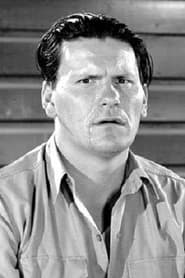
Warren Hymer
Actor
Born: February 25, 1906 in New York City, New York, USA Died: March 25, 1948 Active: 1929-1948 Birth Name: Warren B. Hymer
Films
5 films
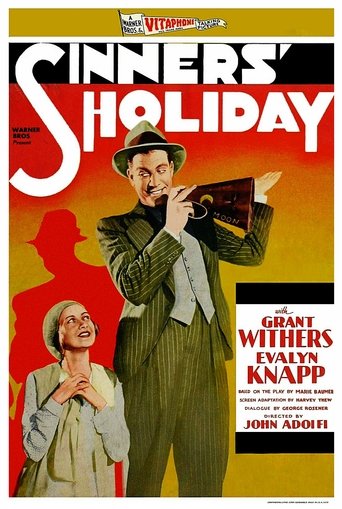
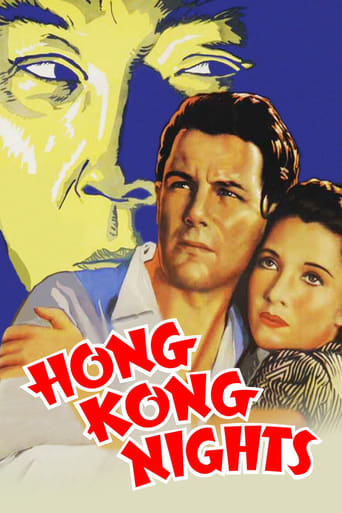
About Warren Hymer
Prolific American character actor who became a familiar face in Hollywood during the 1930s, specializing in tough-guy roles, comic relief, and memorable henchmen. Born in New York City in 1906, Hymer began his acting career on Broadway before transitioning to films in the early sound era. His distinctive gravelly voice, imposing physical presence, and natural comedic timing made him a valuable supporting player at major studios including Warner Bros., Paramount, and MGM. Throughout his career, he appeared in over 150 films, often playing gangsters, soldiers, sailors, and various blue-collar characters with a blend of menace and humor. Hymer's career peaked in the mid-1930s when he was frequently cast alongside major stars like James Cagney, Humphrey Bogart, and the Marx Brothers. Despite never achieving leading man status, his memorable character performances made him one of Hollywood's most recognizable supporting actors of the Golden Age. His life was cut short when he died of a heart attack in 1948 at the age of 42, leaving behind a rich legacy of memorable film performances.
The Craft
On Screen
Hymer was known for his distinctive gravelly voice and imposing physical presence, which he used effectively in both dramatic and comedic roles. He specialized in playing tough guys with a soft center, often bringing unexpected warmth and humor to characters that could have been one-dimensional villains. His natural comedic timing and ability to deliver punchlines with deadpan expression made him particularly effective in comic relief roles. Hymer had a talent for dialect work and could convincingly portray various ethnic types, though this was typical of the era. His physical comedy skills, combined with his menacing appearance, created a unique screen persona that audiences immediately recognized.
Milestones
- Film debut in 'The Vagabond King' (1930)
- Breakthrough role in 'The Public Enemy' (1931)
- Memorable appearance in 'Duck Soup' (1933) with the Marx Brothers
- Frequent collaboration with James Cagney in Warner Bros. Gangster films
- Notable supporting role in 'G Men' (1935)
- Appeared in over 150 films during his 19-year career
Best Known For
Iconic Roles
Must-See Films
Accolades
Special Recognition
- Hollywood Walk of Fame star (located at 6425 Hollywood Boulevard)
Working Relationships
Worked Often With
Studios
Why They Matter
Impact on Culture
Warren Hymer represents the quintessential Hollywood character actor of the Golden Age, the unsung hero who brought depth and personality to supporting roles. His ability to seamlessly transition between threatening and comedic characters helped establish the template for modern character acting. Hymer's work in gangster films contributed to the visual and performative language of the genre, particularly in how henchmen and secondary criminals were portrayed. His collaborations with the Marx Brothers showcased how straight men could enhance comedic performances without overshadowing the stars. Though never a household name, film historians and classic movie enthusiasts recognize Hymer as an essential component of 1930s Hollywood cinema, representing the army of talented performers who made the studio system function.
Lasting Legacy
Warren Hymer's legacy lives on through the hundreds of classic films in which he appeared, often uncredited but always memorable to attentive viewers. His distinctive face and voice continue to be recognized by classic film enthusiasts, and his performances are studied by actors and film scholars as examples of effective character work. Hymer's career trajectory represents the typical path of many Hollywood supporting players of his era - steady work, typecasting, and the challenge of maintaining relevance in a rapidly changing industry. His Hollywood Walk of Fame star ensures that his contributions to cinema are permanently commemorated. Modern character actors who specialize in playing tough guys with comedic sensibilities owe a debt to pioneers like Hymer who helped establish these archetypes.
Who They Inspired
Hymer influenced subsequent generations of character actors through his distinctive approach to playing tough guys with humor. His ability to find the humanity in seemingly one-dimensional characters paved the way for more nuanced supporting performances in later decades. Actors specializing in gangster films and military comedies particularly drew inspiration from his naturalistic approach to these roles. His work with the Marx Brothers demonstrated how effectively a straight man could enhance comedy without stealing focus, influencing future comedy sidekicks. Contemporary character actors who specialize in playing blue-collar toughs continue to follow the template Hymer helped establish of balancing menace with accessibility.
Off Screen
Warren Hymer was known in Hollywood circles as a hard-working, reliable actor who never achieved stardom but maintained steady employment through the studio system era. He was married twice during his lifetime, first to actress Barbara Pepper from 1937 to 1940, and later to Fannie Fagen from 1942 until his death. Despite his onscreen tough-guy image, colleagues remembered him as a gentle and kind person off-camera. Hymer struggled with health issues in his later years, which may have been exacerbated by his heavy workload during the 1930s and early 1940s. His sudden death from a heart attack at age 42 shocked many in the Hollywood community, who had expected many more years of work from the prolific character actor.
Education
Attended local schools in New York City, later studied acting at various dramatic schools in Manhattan before beginning his stage career
Family
- Barbara Pepper (1937-1940)
- Fannie Fagen (1942-1948)
Did You Know?
- Appeared in over 150 films during his 19-year career
- Often played characters named 'Butch' or similar tough-guy names
- Was married to actress Barbara Pepper, who later played Doris Ziffel on 'Green Acres'
- His distinctive gravelly voice was partly the result of a throat condition
- Often worked without on-screen billing in major films, particularly early in his career
- Was a favorite of director Mervyn LeRoy, who cast him repeatedly
- Served briefly in the Army before his acting career took off
- Was known for his remarkable memory, able to remember pages of dialogue after one reading
- Died just days after completing his final film role
- His Hollywood Walk of Fame star was dedicated posthumously
- Was typecast so often as a gangster that real gangsters reportedly approached him for advice
- Once worked as a bouncer at a New York nightclub before his acting career
In Their Own Words
(As a character actor) 'I never get the girl, but I always get paid'
On being typecast: 'It's better to be a good villain than a bad hero'
Regarding his prolific output: 'In this business, you work or you starve. I prefer to work'
Frequently Asked Questions
Who was Warren Hymer?
Prolific American character with credits in this catalog. His distinctive gravelly voice and imposing presence made him a memorable supporting player in numerous classic films.
What films is Warren Hymer best known for?
Titles linked here include The Public Enemy (1931), Duck Soup (1933).
When was Warren Hymer born and when did he die?
Born February 25, 1906; died March 25, 1948.
What awards did Warren Hymer win?
While Warren Hymer did not receive major acting awards during his lifetime, he was honored posthumously with a star on the Hollywood Walk of Fame at 6425 Hollywood Boulevard, recognizing his significant contributions to American cinema as a character actor.
What was Warren Hymer's acting style?
Hymer specialized in playing tough characters with unexpected warmth and humor, using his distinctive gravelly voice and physical presence to create memorable supporting roles. He excelled at blending menace with comedy, making his gangsters and henchmen more complex and entertaining than typical one-dimensional villains.