
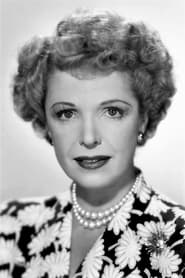
Natalie Schafer
Actor
Born: November 5, 1900 in New York City, New York, USA Died: April 10, 1991 Active: 1927-1989
Films
1 film
About Natalie Schafer
American actress: over five decades, beginning on Broadway in the 1920s before transitioning to Hollywood films in the 1940s. She established herself as a reliable character actress specializing in portraying sophisticated, wealthy socialites and elegant upper-class women, often serving as comic relief or supporting characters in major studio productions. Her film career peaked in the late 1940s with notable appearances in films like 'Dishonored Lady' (1947) and 'The Snake Pit' (1948), where she brought her distinctive patrician presence to each role. Schafer's most enduring fame came later in life when she was cast as Eunice 'Lovey' Wentworth Howell on the television sitcom 'Gilligan's Island' (1964-1967), a role that made her a household name and cultural icon. Despite being typecast as wealthy women throughout her career, she brought depth and humor to these roles, creating memorable characters that transcended their stereotypes. Her career continued into the 1980s with guest appearances on television shows and film roles, demonstrating remarkable longevity in an industry known for its fleeting nature.
The Craft
On Screen
Natalie Schafer developed a distinctive acting style centered on portraying elegant, sophisticated women with impeccable manners and a patrician demeanor. Her performances were characterized by a refined speaking voice, precise diction, and an air of cultivated refinement that made her perfect for roles as socialites, wealthy matrons, and upper-class women. She employed subtle comedic timing and delivered witty lines with dry humor, often playing characters who were slightly out of touch with everyday reality. Her physical presence was always graceful and poised, with carefully controlled movements that emphasized her characters' privileged backgrounds. Despite being typecast, she brought nuance to these roles, occasionally revealing vulnerability beneath the polished exterior.
Milestones
- Broadway debut in 'The Poor Little Rich Girl' (1927)
- Film debut in 'Dishonored Lady' (1947)
- Memorable role in 'The Snake Pit' (1948)
- Casting as Lovey Howell on 'Gilligan's Island' (1964)
- Recurring role on 'Search for Tomorrow' soap opera (1984-1985)
- Final film appearance in 'The Great Outdoors' (1988)
Best Known For
Iconic Roles
Must-See Films
Accolades
Special Recognition
- Hollywood Walk of Fame star (1988)
Working Relationships
Worked Often With
Studios
Why They Matter
Impact on Culture
Natalie Schafer's portrayal of Lovey Howell on 'Gilligan's Island' created one of television's most recognizable characters and contributed significantly to the show's enduring popularity. Her character embodied the archetype of the wealthy, slightly clueless socialite, but Schafer's performance gave the role warmth and humor that transcended stereotype. The show became a cultural phenomenon that continues to air in syndication decades later, making Schafer's face and voice familiar to multiple generations of viewers. Her career trajectory from Broadway to films to television mirrored the evolution of American entertainment in the 20th century, and she adapted successfully to each medium. As one of the few older actresses to achieve television stardom in the 1960s, she helped pave the way for greater representation of mature women in entertainment.
Lasting Legacy
Natalie Schafer's legacy lies primarily in her iconic television role that has become part of American pop culture history, with 'Gilligan's Island' remaining. Her ability to create a memorable character that audiences loved despite her character's flaws demonstrated her skill as a character actress. Schafer's career longevity, spanning from the silent era through the golden age of Hollywood and into the television age, shows her adaptability and talent. Her portrayal of sophisticated, wealthy women helped establish a character archetype that would be replicated in countless television shows and films that followed. Beyond her entertainment legacy, Schafer is remembered for her professionalism and the dignity with which she conducted herself throughout her long career.
Who They Inspired
Natalie Schafer influenced subsequent generations of character actresses, particularly those specializing in portraying sophisticated, upper-class women. Her success on 'Gilligan's Island' demonstrated that older actresses could achieve stardom in television, opening doors for more mature actresses in the medium. Her distinctive voice and mannerisms have been referenced and parodied in numerous television shows and films, testifying to the cultural impact of her performance. Younger actresses studying character work often look to Schafer as an example of how to create memorable supporting roles that enhance the overall production. Her ability to find humor in her characters' pretensions while maintaining their humanity provided a template for balanced comedic performances.
Off Screen
Natalie Schafer was known for being intensely private about her personal life, particularly regarding her age and background. She married fellow actor Louis Calhern in 1934, but their marriage ended in divorce in 1942. Schafer never had children and devoted herself primarily to her career. In her later years, she became known for her philanthropy, particularly her support of animal welfare organizations. She maintained friendships with many Hollywood colleagues and was respected for her professionalism and kindness on set. Despite her success, she lived relatively modestly and was known for her frugality, which she attributed to her experiences during the Great Depression.
Education
Attended public schools in New York City; studied acting at the Theatre Guild School
Family
- Louis Calhern (1934-1942)
Did You Know?
- She was notoriously private about her age, often claiming to be younger than she was
- Despite playing a wealthy socialite on TV, she was known for being quite frugal in real life
- She was a talented painter and sold her artwork in later years
- She was a lifelong animal lover and supported numerous animal welfare organizations
- She continued working well into her 80s, one of the few actresses of her generation to do so
- She was a Democrat and supported liberal political causes
- She never learned to swim, which was ironic given her role on 'Gilligan's Island'
- She was a member of the Screen Actors Guild for over 60 years
- She appeared in over 50 films and television shows during her career
- Her distinctive voice made her a popular choice for radio work in the 1940s
In Their Own Words
"Money can't buy happiness, but it can buy a better class of misery." - often attributed to her Lovey Howell character
"I've played so many rich women, I've forgotten what it's like to be poor." - from a 1970s interview
"Age is just a number, and I've forgotten what mine is." - her typical response to questions about her age
Frequently Asked Questions
Who was Natalie Schafer?
American actress best known for her role as Lovey Howell on the television series 'Gilligan's Island.' She had a long career spanning Broadway, films, and television, often playing sophisticated, wealthy women.
What films is Natalie Schafer best known for?
Titles linked here include Dishonored Lady (1947), The Snake Pit (1948).
When was Natalie Schafer born and when did she die?
Born November 5, 1900; died April 10, 1991.
What awards did Natalie Schafer win?
While Natalie Schafer did not receive major acting awards during her career, she was honored with a star on the Hollywood Walk of Fame in 1988, recognizing her contributions to television entertainment.
What was Natalie Schafer's acting style?
Natalie Schafer specialized in portraying elegant, sophisticated women with refined manners and patrician demeanor. Her performances featured precise diction, graceful movements, and subtle comedic timing, making her the go-to actress for roles as wealthy socialites and upper-class characters.
Was Natalie Schafer married?
Yes, Natalie Schafer was married to fellow actor Louis Calhern from 1934 to 1942. After their divorce, she never remarried and had no children.
How long was Natalie Schafer's career?
Natalie Schafer's entertainment active years covered over six decades, from her Broadway debut in 1927 through her final film appearance in 'The Great Outdoors' in 1988, making her one of Hollywood's most enduring character actresses.