
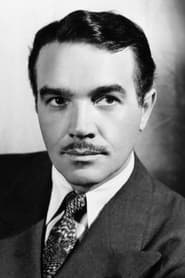
Walter Abel
Actor
Born: May 6, 1898 in New York City, New York, USA Died: March 26, 1987 Active: 1925-1975
Films
2 films
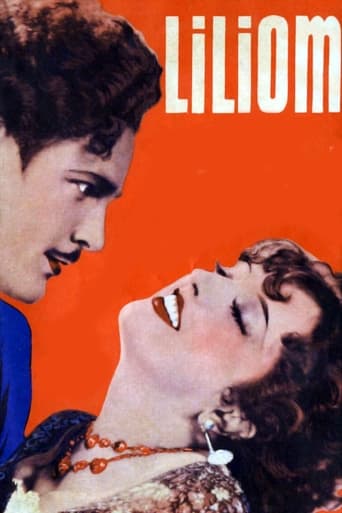
About Walter Abel
American character actor: over four decades, from Broadway in the 1920s through his final film appearances in the 1970s. Born in New York City, Abel began his career on the stage before transitioning to Hollywood during the early sound era. He became known for his portrayals of sophisticated, educated characters - often playing doctors, lawyers, businessmen, and government officials with his trademark polished demeanor and clear diction. Abel's breakthrough role came in 'Three Comrades' (1938), where he played a German doctor, establishing his screen persona as the intellectual authority figure. Throughout the 1930s and 1940s, he appeared in numerous prestigious films including 'Holiday' (1938), 'Arise, My Love' (1940), and 'Mission to Moscow' (1943). His career continued successfully into the 1950s and 1960s with roles in television and film, demonstrating remarkable versatility across genres from drama to comedy. Abel maintained his stage presence throughout his film career, returning to Broadway periodically, which contributed to his reputation as a serious, classically trained actor. His final years saw him transitioning to television work and character roles in films until his retirement in the mid-1970s.
The Craft
On Screen
Walter Abel was known for his refined, sophisticated acting style characterized by impeccable diction, intellectual authority, and a calm, measured delivery. He brought a theatrical precision to his film roles, often playing educated professionals with an air of quiet confidence and moral integrity. Abel's technique emphasized subtlety over flamboyance, using minimal gestures and precise timing to convey complex emotions. His background in classical theater contributed to his distinctive screen presence, where he could dominate scenes through sheer gravitas rather than overt dramatics. Abel excelled at portraying characters who were pillars of society - doctors, lawyers, diplomats - bringing authenticity to these roles through his articulate speech patterns and dignified bearing.
Milestones
- Broadway debut in 'The Bad Man' (1925)
- Film debut in 'Dance Team' (1933)
- Breakthrough role in 'Three Comrades' (1938)
- Starred in 'Arise, My Love' (1940) opposite Claudette Colbert
- Memorable performance in 'Holiday' (1938) with Katharine Hepburn and Cary Grant
- Lead role in 'The Story of Dr. Kildare' (1939)
- Extensive television work in the 1950s-1960s
- Final film appearances in the 1970s
Best Known For
Iconic Roles
Must-See Films
Accolades
Won
- Donaldson Award for Best Performance by a Leading Actor (1948)
Nominated
- Tony Award nomination for Best Actor in a Play for 'The Sleeping Prince' (1955)
Special Recognition
- Hollywood Walk of Fame star (located at 6240 Hollywood Blvd)
Working Relationships
Worked Often With
Studios
Why They Matter
Impact on Culture
Walter Abel contributed significantly to the development of the sophisticated character actor archetype in Golden Age Hollywood, helping establish a template for playing educated, authoritative figures with authenticity and intelligence. His performances in socially conscious films like 'Three Comrades' and 'Mission to Moscow' reflected the political engagement of 1930s-40s cinema, bringing intellectual weight to discussions of fascism and democracy. Abel's transition from stage to screen represented the successful adaptation of classical theatrical techniques to the film medium, influencing subsequent generations of actors with similar backgrounds. His consistent portrayals of professionals and authority figures helped shape popular perceptions of these roles during a formative period in American cinema, contributing to the cultural archetype of the wise, educated expert in film narratives.
Lasting Legacy
Walter Abel's legacy endures through his extensive body of work that exemplifies the Golden Age of Hollywood's commitment to craftsmanship and professionalism. His performances continue to be studied by acting students for their precision, subtlety, and emotional authenticity. Abel represents the bridge between classical theater training and film acting, demonstrating how traditional techniques could be successfully adapted for the screen. His filmography serves as a valuable record of American cinema's treatment of social and political issues during the 1930s-1940s, with his characters often embodying the moral and intellectual dilemmas of their times. The longevity of his career, spanning from silent films through the television era, makes him a unique figure in Hollywood history, adaptable to changing media while maintaining consistent artistic standards.
Who They Inspired
Walter Abel influenced subsequent generations of character actors through his demonstration of how intellectual authority could be conveyed on screen without pretentiousness or condescension. His technique of using precise diction and minimal gestures to create powerful characterizations became a model for actors playing similar roles. Abel's success in both dramatic and comedic roles showed the versatility available to character actors, encouraging others to avoid typecasting. His commitment to returning to stage work throughout his film career influenced later actors to maintain their theatrical roots. The dignity and intelligence he brought to even minor roles elevated the overall quality of the productions he appeared in, setting a standard for supporting performances in ensemble casts.
Off Screen
Walter Abel married concert harpist Marie Montauban in 1929, and their marriage lasted until his death in 1987, spanning nearly 58 years. The couple had one daughter, Barbara, who became a professional harpist like her mother. Abel was known for his intellectual pursuits outside of acting, including literature, classical music, and art collecting. He maintained a relatively private personal life, avoiding Hollywood gossip columns and focusing instead on his craft and family. Abel was also known for his political liberalism and was involved in various social causes throughout his career, though he never became overtly political in his public statements. In his later years, he divided his time between his home in Connecticut and occasional visits to New York for theater productions.
Education
American Academy of Dramatic Arts
Family
- Marie Montauban (1929-1987)
Did You Know?
- — classically trained pianist before focusing on acting
- Spoke fluent French, which helped him in international roles
- Served in the United States Army during World War I
- Was a founding member of the Actors Studio
- Turned down the lead role in 'The Maltese Falcon' (1941)
- His wife Marie Montauban was one of the first women to join the New York Philharmonic
- Taught acting at the American Academy of Dramatic Arts early in his career
- Was a close friend of playwright Clifford Odets
- Appeared in over 100 films and television shows during his career
- Was known for never being late to a set or rehearsal
- Maintained extensive personal libraries in both his New York and Connecticut homes
- Was considered for the role of Ashley Wilkes in 'Gone with the Wind'
In Their Own Words
Acting is not about being emotional, but about being able to control emotion and channel it appropriately
The stage teaches you discipline that film sometimes allows you to forget
Every character, no matter how small, deserves the same respect and preparation
I never considered myself a star, but always a craftsman - and I'm proud of that distinction
The best actors are listeners first, speakers second
Frequently Asked Questions
Who was Walter Abel?
American character with credits in this catalog. He appeared in over 100 films and was equally accomplished on stage, bringing theatrical precision to his screen performances.
What films is Walter Abel best known for?
Titles linked here include Three Comrades (1938), Holiday (1938).
When was Walter Abel born and when did he die?
Born May 6, 1898; died March 26, 1987.
What awards did Walter Abel win?
Walter Abel received the Donaldson Award for Best Performance by a Leading Actor in 1948 and was nominated for a Tony Award for Best Actor in a Play for 'The Sleeping Prince' in 1955. He was also honored with a star on the Hollywood Walk of Fame at 6240 Hollywood Boulevard.
What was Walter Abel's acting style?
Abel was known for his refined, sophisticated acting style characterized by impeccable diction, intellectual authority, and measured delivery. He brought theatrical precision to his film roles, often playing educated professionals with an air of quiet confidence and moral integrity, using subtlety and minimal gestures to convey complex emotions.