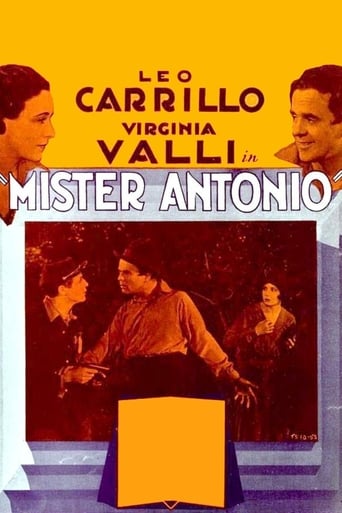
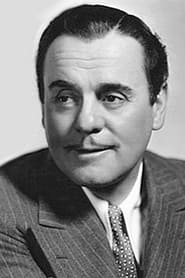
American actor, artist, and historian: over four decades in Hollywood. Born into a prominent Californio family with deep roots in early California history, Carrillo initially pursued a career as a cartoonist and illustrator before transitioning to acting in the 1920s. He gained widespread fame for his portrayal of Pancho, the loyal sidekick to Duncan Renaldo's Cisco Kid in a series of popular Western films and television shows during the 1940s and 1950s. Carrillo's authentic Mexican heritage and bilingual abilities made him a natural for Latin roles during an era when Hollywood often cast non-Latin actors in such parts. Beyond his acting career, he was a passionate conservationist and historian who served on the California State Park Commission, helping preserve historic sites throughout California. His legacy includes both his contributions to entertainment and his dedication to preserving California's cultural and natural heritage.
The Craft
On Screen
Carrillo was known for his warm, comedic, and authentic portrayals of Mexican characters, bringing genuine cultural understanding to his roles. His natural charm and bilingual abilities allowed him to deliver performances that resonated with both English and Spanish-speaking audiences. He had a particular talent for physical comedy and timing, often providing comic relief while maintaining dignity in his characters.
Milestones
Breakthrough role in 'The Gay Caballero' (1932)
Long-running partnership as Pancho in The Cisco Kid series (1945-1956)
Appointment to California State Park Commission (1948)
Publication of his autobiography 'The California I Love' (1961)
Star on Hollywood Walk of Fame (1960)
Best Known For
Iconic Roles
Pancho in The Cisco Kid series
Don Carlos in 'The Gay Caballero'
Pedro in 'In Old California'
Must-See Films
The Cisco Kid series (1945-1956)
The Gay Caballero
In Old California
The Bad Man
Viva Villa!
],
awards
nominations
honors
personalLife
Leo Carrillo came from a Californio family with a lineage tracing back to the Spanish colonial era of California. He married Edith May Haines in 1913, and they remained together until her death in 1953. Carrillo was deeply committed to his heritage and spent much of his life researching and preserving California's Spanish and Mexican history. He was also an accomplished artist and cartoonist before his acting career, having worked for several newspapers. His later years were dedicated to conservation efforts and historical preservation, particularly in his native Southern California.
spouses
children
education
Attended St. Vincent's College (now Loyola Marymount University) in Los Angeles, studied art and engineering
studioAffiliations
frequentCollaborators
mentors
protégés
culturalImpact
Trailblazer for Latin with credits in this catalog. His role as Pancho in The Cisco Kid helped create one of cinema's first positive and enduring Latin character partnerships, influencing generations of performers. Carrillo's commitment to authentic representation paved the way for future Latin actors and helped challenge Hollywood's often narrow portrayal of Hispanic characters. Beyond entertainment, his work in preserving California's Spanish and Mexican heritage ensured that important aspects of the state's history would not be forgotten.
legacy
Leo Carrillo's legacy extends far beyond his filmography, encompassing his contributions to California's cultural preservation and environmental conservation. The Leo Carrillo State Park and the Carrillo Ranch Historic Park stand as permanent testaments to his dedication to preserving California's natural and historical treasures. In cinema, his portrayal of Pancho remains iconic, representing one of the few positive and enduring Latin character archetypes from Hollywood's Golden Age. His autobiography and numerous historical writings continue to serve as valuable resources for understanding California's Spanish and Mexican periods.
influence
Carrillo influenced generations of Latin actors by demonstrating that Hispanic characters could be portrayed with depth, humor, and dignity. His success paved the way for future Latin performers to seek more substantial roles in Hollywood. His conservation efforts inspired many in the entertainment industry to become involved in environmental and historical preservation causes. His approach to blending entertainment with cultural education set a precedent for actors who use their platform for broader social and cultural impact.