
Carol Ohmart
Actor
Born: June 14, 1927 in Salt Lake City, Utah, USA Died: January 6, 2002 Active: 1956-1966 Birth Name: Carole O'Meara
Films
1 film
About Carol Ohmart
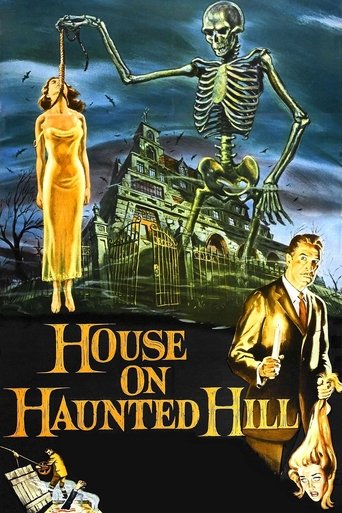
Carol Ohmart, born Carole O'Meara, began her career as a beauty queen, winning Miss Utah in 1946 and becoming first runner-up in the Miss America pageant the same year. Her striking looks and poise caught the attention of Hollywood talent scouts, leading to a contract with Paramount Pictures in the mid-1950s. She made her film debut in The Scarlet Hour (1956) and quickly established herself as a versatile actress capable of playing both dramatic and seductive roles. Her most memorable performance came as Nora Manning in William Castle's classic horror film House on Haunted Hill (1959), where she starred opposite Vincent Price and created a memorable femme fatale character. Throughout the late 1950s and early 1960s, she appeared in various films and television shows, including The Wild Party (1956) and One Spy Too Many (1966). Despite her talent and beauty, her career never reached the heights of stardom that many predicted, and she gradually faded from the entertainment industry by the late 1960s. She spent her later years away from the public eye, leaving behind a cult following among classic horror and film noir enthusiasts who appreciate her contributions to Golden Age Hollywood cinema.
The Craft
On Screen
Carol Ohmart was known for her sultry, sophisticated screen presence and her ability to portray complex, often dangerous female characters. She specialized in femme fatale roles, using her striking beauty and cool demeanor to create characters that were both alluring and menacing. Her acting style combined elements of film noir sensuality with the dramatic intensity required for horror and thriller genres. She had a distinctive voice and commanding presence that made her memorable even in supporting roles.
Milestones
- Miss Utah 1946
- First runner-up Miss America 1946
- Film debut in The Scarlet Hour (1956)
- Starred in House on Haunted Hill (1959)
- Appeared in The Wild Party (1956)
- Television appearances in popular 1960s shows
Best Known For
Iconic Roles
Must-See Films
Accolades
Won
- Miss Utah 1946
- First Runner-up Miss America 1946
Special Recognition
- Cult following among classic horror film fans
- Remembered as one of William Castle's iconic leading ladies
Working Relationships
Worked Often With
Studios
Why They Matter
Impact on Culture
Carol Ohmart's most significant cultural impact comes from her role in House on Haunted Hill, which has become a beloved cult classic in the horror genre. Her portrayal of Nora Manning, one of the guests trapped in the haunted house, contributed to the film's enduring popularity and its status as a Halloween favorite. The character she created embodied the perfect blend of sophistication and vulnerability that became a template for horror film heroines of the era. Her work with William Castle helped establish the director's reputation for creating atmospheric, audience-pleasing horror films that combined psychological tension with showmanship. Ohmart's performance continues to be celebrated by horror film enthusiasts and is frequently cited as an example of effective horror acting from the Golden Age of Hollywood.
Lasting Legacy
Carol Ohmart's legacy is primarily tied to her contribution to classic horror cinema, particularly through her iconic role in House on Haunted Hill. While she never achieved major stardom during her lifetime, her work has gained appreciation over the decades as the film she's best known for has become a cult favorite. Her performance represents the sophisticated, glamorous style of horror acting that characterized the late 1950s, a transitional period between the gothic horror of earlier decades and the more graphic horror that would follow. Film historians and horror enthusiasts often cite her as an example of the talented actresses who specialized in genre films during Hollywood's Golden Age. Her beauty and screen presence continue to be celebrated in retrospectives about horror film history and William Castle's filmography.
Who They Inspired
Carol Ohmart influenced subsequent generations of horror actresses through her portrayal of Nora Manning, demonstrating how to create a compelling character in a supernatural thriller context. Her work showed how to balance glamour with genuine terror, a combination that would become a staple of horror film performances. Her collaboration with William Castle helped establish the template for director-actor relationships in horror cinema, where trust and understanding between director and performer could create memorable genre films. While she didn't mentor other actors directly, her performances have been studied by actresses interested in horror and thriller genres, particularly those seeking to understand how to create characters that are both sophisticated and vulnerable.
Off Screen
Carol Ohmart was married twice during her lifetime. Her first marriage was to Arthur Loew Jr., son of MGM studio head Marcus Loew, which ended in divorce. She later married actor Wayde Preston, known for his role in the television series Colt.45. The marriage to Preston also ended in divorce. Unlike many Hollywood stars of her era, Ohmart did not have any children. In her later years, she largely withdrew from public life and entertainment industry activities, preferring a more private existence away from the spotlight that had once defined her career.
Education
University of Utah (attended before winning Miss Utah)
Family
- Arthur Loew Jr. (1950s)
- Wayde Preston (1960s)
Did You Know?
- She was discovered after winning Miss Utah in 1946
- Her birth name was Carole O'Meara, but she changed the spelling to Carol for her professional name
- House on Haunted Hill was filmed in just three weeks
- She was married to Arthur Loew Jr., son of MGM studio head Marcus Loew
- William Castle personally chose her for the role of Nora Manning in House on Haunted Hill
- She appeared in several episodes of popular 1960s television series including Perry Mason and Bonanza
- Her performance in House on Haunted Hill has been referenced in numerous horror film retrospectives
- She was considered for several major film roles but often lost them to more established stars
- After leaving acting, she lived a very private life away from Hollywood
- House on Haunted Hill featured one of cinema's most famous gimmicks - Emergo, a skeleton that flew over the audience during screenings
In Their Own Words
As Nora Manning in House on Haunted Hill: 'I don't believe in ghosts, but I'm afraid of them.'
About her beauty pageant experience: 'It opened doors for me, but I had to prove I could act.'
On working with Vincent Price: 'He was a gentleman and a true professional, always helpful to his co-stars.'
Frequently Asked Questions
Who was Carol Ohmart?
Screen credits include films during the 1950s and 1960s. She is best remembered for her role as Nora Manning in William Castle's classic horror film House on Haunted Hill (1959) opposite Vincent Price. Before her acting career, she won Miss Utah in 1946 and was first runner-up in the Miss America pageant.
What films is Carol Ohmart best known for?
Titles linked here include House on Haunted Hill (1959), The Scarlet Hour (1956).
When was Carol Ohmart born and when did she die?
Born June 14, 1927; died January 6, 2002.
What awards did Carol Ohmart win?
Carol Ohmart won the Miss Utah pageant in 1946 and was first runner-up in the Miss America pageant the same year. While she didn't receive major acting awards during her film career, she has been recognized posthumously for her contributions to classic horror cinema and maintains a cult following among horror film enthusiasts.
What was Carol Ohmart's acting style?
Carol Ohmart was known for her sophisticated, sultry screen presence and specialized in playing femme fatale roles. Her acting style combined film noir sensuality with dramatic intensity, making her particularly effective in horror and thriller genres. She had a commanding presence and distinctive voice that made her memorable even in supporting roles.