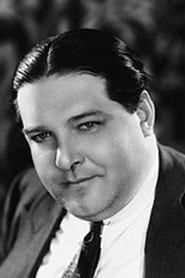
Archie Mayo
Director
Born: January 29, 1891 in New York City, New York, USA Died: December 4, 1968 Active: 1915-1946 Birth Name: Archibald L. Mayo
Films
4 films
About Archie Mayo
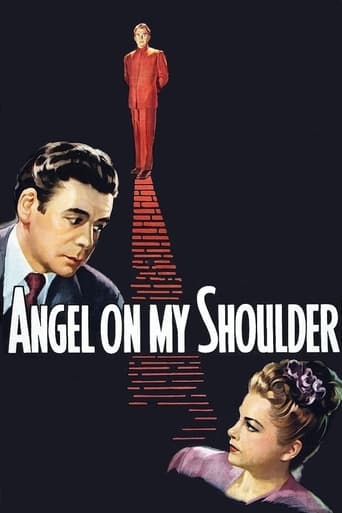
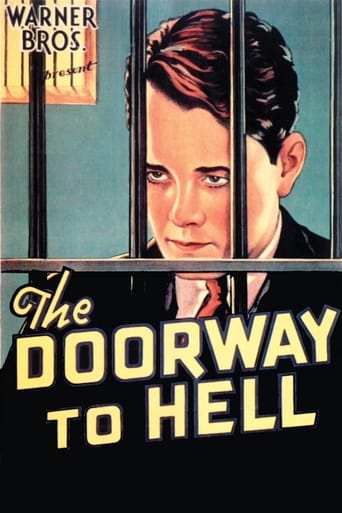
Prolific and versatile American director who helmed over 80 films during Hollywood's Golden Age, beginning his career in the silent era and successfully transitioning to talkies. Born Archibald L. Mayo in New York City in 1891, he started as a film cutter and assistant director before making his directorial debut in the mid-1910s. Mayo worked extensively at Warner Bros. During the 1930s, where he directed some of the studio's most prestigious productions, including the controversial pre-Code drama 'The Doorway to Hell' (1930) and the critically acclaimed 'The Petrified Forest' (1936). He demonstrated remarkable versatility across genres, from gangster films and film noir to comedies and dramas, working with virtually every major star of the era including James Cagney, Bette Davis, and Humphrey Bogart. Mayo's career peaked in the 1930s and early 1940s, though he continued directing successfully through the mid-1940s before retiring from filmmaking. His final directorial effort was the fantasy comedy 'Angel on My Shoulder' (1946), starring Paul Muni and Claude Rains, which has since become a beloved cult classic. After leaving Hollywood, Mayo spent his remaining years in Guadalajara, Mexico, where he passed away in 1968 at the age of 77.
The Craft
Behind the Camera
Archie Mayo was known for his efficient, no-nonsense directing style that emphasized strong storytelling and clear narrative progression. He demonstrated remarkable versatility across genres, from hard-hitting gangster films and film noir to sophisticated comedies and dramatic biopics. Mayo's approach was characterized by his ability to elicit strong performances from his actors while maintaining tight pacing and visual clarity. He was particularly adept at handling ensemble casts and balancing multiple storylines within a single film. His technical competence and professional reliability made him a favorite of studio executives, especially during the demanding production schedules of the studio system era.
Milestones
- Directed over 80 films in a 30-year career
- Successfully transitioned from silent films to talkies
- Directed 'The Petrified Forest' (1936) which launched Humphrey Bogart's career
- Made the controversial pre-Code gangster film 'The Doorway to Hell' (1930)
- Directed Bette Davis in 'The Story of Louis Pasteur' (1936)
- Created the cult classic 'Angel on My Shoulder' (1946)
- Worked with virtually every major star of Hollywood's Golden Age
Best Known For
Must-See Films
Accolades
Nominated
- Academy Award nomination for Best Picture for 'The Story of Louis Pasteur' (1936) - as director
Special Recognition
- Hollywood Walk of Fame star (located at 6425 Hollywood Blvd)
Working Relationships
Worked Often With
Studios
Why They Matter
Impact on Culture
Archie Mayo's films significantly shaped the visual and narrative conventions of multiple genres during Hollywood's Golden Age. His gangster films, particularly 'The Doorway to Hell' (1930), helped establish the visual language and thematic concerns that would define the genre throughout the 1930s. 'The Petrified Forest' (1936) not only launched Humphrey Bogart's career but also contributed to the development of film noir aesthetics and themes of fatalism and existential dread. Mayo's work on biographical films like 'The Story of Louis Pasteur' helped establish the prestige biopic as a respected Hollywood genre. His ability to navigate the transition from pre-Code to post-Code Hollywood demonstrated the adaptability that would become essential for directors working within the studio system. Mayo's films continue to be studied for their efficient storytelling and genre-defining characteristics.
Lasting Legacy
Archie Mayo's legacy endures through his significant contributions to multiple film genres and his role in launching the careers of several Hollywood legends. While never achieving the auteur status of contemporaries like John Ford or Howard Hawks, Mayo's body of work represents some of the finest examples of studio-era craftsmanship and versatility. His films remain important cultural artifacts that capture the social attitudes and artistic sensibilities of their time, from the gritty realism of his gangster films to the sophisticated wit of his comedies. Mayo's ability to work efficiently across genres while maintaining high quality standards exemplifies the best of the studio system's collaborative approach to filmmaking. His films continue to be rediscovered by new generations of film enthusiasts and scholars who appreciate their technical excellence and entertainment value.
Who They Inspired
Mayo's efficient directing style and genre versatility influenced numerous directors who followed, particularly those working within the studio system. His work on 'The Petrified Forest' established narrative and visual patterns that would be emulated in countless film noir productions throughout the 1940s and 1950s. The success of his biographical films helped create a template for prestige productions that studios would use for decades. His ability to extract strong performances from actors while maintaining tight production schedules became a model for studio directors who needed to balance artistic quality with commercial demands. Contemporary directors studying classic Hollywood techniques often look to Mayo's films as examples of how to create compelling narratives within the constraints of studio production.
Off Screen
Archie Mayo was married twice during his lifetime. His first marriage was to actress Lucille Le Sueur, who would later become the legendary Joan Crawford, though their marriage was brief and ended before she achieved stardom. His second marriage was to Olga Tschechowa, a prominent Russian-German actress. Mayo was known as a private individual who avoided the Hollywood social scene, preferring to focus on his work. After retiring from filmmaking in 1946, he moved to Guadalajara, Mexico, where he lived quietly until his death in 1968. He was known among colleagues as a professional who took his craft seriously but maintained a humble demeanor throughout his career.
Education
Limited formal education; largely self-taught in filmmaking through practical experience in the film industry
Family
- Lucille Le Sueur (1926-1927)
- Olga Tschechowa (1937-1946)
Did You Know?
- Briefly married to Joan Crawford before she became a star
- Directed over 80 films in just 30 years
- The Petrified Forest
- was Bogart's breakthrough role and led to his typecasting as a gangster
- Worked as a film cutter before becoming a director
- Retired to Mexico after his directing career ended
- His film 'The Doorway to Hell' was one of the first major gangster films of the sound era
- Often served as an uncredited additional director on complex productions
- Was known for completing films on time and under budget
- His star on the Hollywood Walk of Fame was dedicated in 1960
- Never received an Academy Award nomination for Best Director despite directing several acclaimed films
In Their Own Words
I don't make art, I make movies that people will pay to see
The secret to directing is knowing when to shout and when to whisper
Every actor needs a different key, and the director's job is to find it
I've made pictures in every genre except westerns, and I probably would have made one of those if they'd asked
The best directors are invisible - the audience should see the story, not the director's hand
Frequently Asked Questions
Who was Archie Mayo?
Prolific American on YTB.my. He was known for his versatility across genres and his work with major stars like Bette Davis, Humphrey Bogart, and James Cagney.
What films is Archie Mayo best known for?
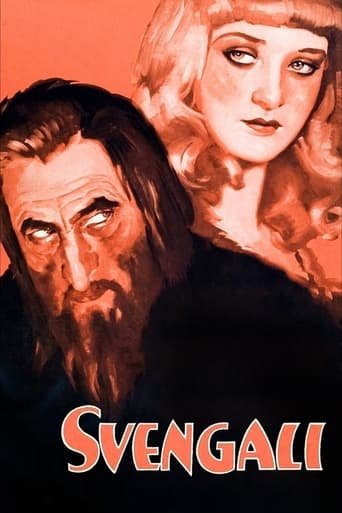
Titles linked here include Svengali (1931), The Petrified Forest (1936).
When was Archie Mayo born and when did he die?
Born January 29, 1891; died December 4, 1968.
What awards did Archie Mayo win?
While Mayo never received personal major awards, his film 'The Story of Louis Pasteur' (1936) was nominated for the Academy Award for Best Picture. He received a star on the Hollywood Walk of Fame in 1960, recognizing his contributions to American cinema.
What was Archie Mayo's directing style?
Mayo was known for his efficient, professional approach that emphasized strong storytelling and clear narrative progression. He demonstrated remarkable versatility across genres and was particularly adept at handling ensemble casts while maintaining tight pacing and visual clarity in his films.