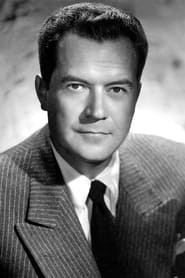
Frank Lovejoy
Actor
Born: March 28, 1912 in The Bronx, New York, USA Died: October 2, 1962 Active: 1948-1962 Birth Name: Frank Andrew Lovejoy Jr.
Films
1 film
About Frank Lovejoy
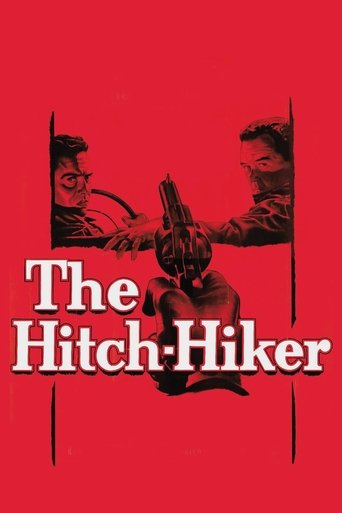
American actor renowned for his naturalistic portrayals of working-class characters, particularly in film noir and crime dramas. Beginning his career in radio during the 1930s, he transitioned to film in the late 1940s, quickly establishing himself as a reliable character actor who brought authenticity to every role. Lovejoy's breakthrough came with his performance in the racially charged drama 'Home of the Brave' (1949), followed by his most role in Ida Lupino's landmark film noir 'The Hitch-Hiker' (1953), where he played a fisherman terrorized by a psychopathic killer. Throughout the 1950s, he appeared in numerous films and television shows, often portraying authority figures or ordinary men caught in extraordinary circumstances. His career was tragically cut short when he died of a heart attack in 1962 at age 50, leaving behind a legacy of compelling performances that captured the essence of postwar American anxiety and the struggles of the common man.
The Craft
On Screen
Naturalistic and understated, Lovejoy specialized in portraying ordinary, working-class men with authenticity and depth. His approach emphasized realism over theatricality, bringing a grounded quality to his characters that made them relatable to audiences. He excelled at conveying inner turmoil and moral conflict through subtle facial expressions and restrained body language, particularly effective in film noir where his characters often faced psychological pressure. Lovejoy's voice, honed during his radio years, added gravitas to his performances, while his ability to portray both vulnerability and strength made him ideal for roles requiring emotional complexity.
Milestones
- Radio career in the 1930s-1940s
- Film debut in 'Home of the Brave' (1949)
- Starring role in 'The Hitch-Hiker' (1953)
- Television work in the 1950s
- Final film 'The Young One' (1960)
Best Known For
Iconic Roles
Must-See Films
Accolades
Special Recognition
- Hollywood Walk of Fame star (located at 6777 Hollywood Boulevard)
Working Relationships
Worked Often With
Studios
Why They Matter
Impact on Culture
Frank Lovejoy's performances captured the postwar American psyche, particularly the anxieties and struggles of working-class men in an increasingly complex world. His role in 'The Hitch-Hiker' was groundbreaking as one of the first American film noirs directed by a woman (Ida Lupino), and his performance helped establish the film as a classic of the genre. Lovejoy's naturalistic acting style influenced subsequent generations of character actors, demonstrating that authenticity and restraint could be more powerful than overt dramatics. His work in socially conscious films like 'Home of the Brave' and 'Try and Get Me!' contributed to important conversations about race, class, and violence in American society during the early Cold War era.
Lasting Legacy
Frank Lovejoy remains a respected figure in classic cinema history, particularly among film noir enthusiasts who appreciate his contributions to the genre. His performances continue to be studied for their naturalistic quality and emotional depth, with 'The Hitch-Hiker' frequently cited. While never achieving leading man status, Lovejoy's body of work represents some of the finest character acting of his era, demonstrating how supporting performances could elevate films to classic status. His influence can be seen in the work of subsequent actors who specialize in portraying ordinary men in extraordinary circumstances.
Who They Inspired
Lovejoy's naturalistic approach to acting influenced a generation of character actors who followed, particularly those working in film and television during the 1950s and 1960s. His ability to convey complex emotions through subtle means became a model for actors seeking authenticity in their performances. Directors who worked with him often praised his professionalism and his willingness to take on challenging roles that required emotional depth. His radio background influenced his distinctive vocal delivery, which became a hallmark of his screen presence and influenced how actors approached voice work in the transition from radio to television and film.
Off Screen
Frank Lovejoy married actress Joan Banks in 1947, and their marriage lasted until his death in 1962. The couple had two children, Judy and Frank Lovejoy III, both of whom pursued careers in the entertainment industry. Lovejoy was known for his professionalism on set and his dedication to his craft, often preparing extensively for his roles. Despite his success in Hollywood, he maintained a relatively private personal life, focusing on his family and work. His sudden death from a heart attack at age 50 shocked the film industry and cut short a promising career that was still evolving.
Education
Attended local schools in the Bronx, later studied acting at the Neighborhood Playhouse in New York City
Family
- Joan Banks (1947-1962)
Did You Know?
- Began his career as a radio announcer in the 1930s
- Served in the United States Army Air Forces during World War II
- His wife Joan Banks was also a prolific character actress
- The Hitch-Hiker was the first American film noir directed by a woman
- Often played police officers, detectives, and authority figures
- Appeared in over 50 films between 1948 and 1962
- Was a close friend of actor Jack Webb
- His final film appearance was in 'The Young One' (1960)
- Died of a heart attack while driving in New York City
- His son Frank Lovejoy III became a successful film editor
In Their Own Words
I'm not a star, I'm an actor. There's a difference.
The best actors are the ones who make you forget they're acting.
Radio taught me the importance of voice and timing in performance.
I'd rather play a small part in a great film than a big part in a mediocre one.
Frequently Asked Questions
Who was Frank Lovejoy?
American with credits in this catalog. He began his career in radio before transitioning to film, where he became a respected character actor.
What films is Frank Lovejoy best known for?
Titles linked here include The Hitch-Hiker (1953), Home of the Brave (1949).
When was Frank Lovejoy born and when did he die?
Born March 28, 1912; died October 2, 1962.
What awards did Frank Lovejoy win?
While Frank Lovejoy did not receive major acting awards during his lifetime, he was honored with a star on the Hollywood Walk of Fame for his contributions to the film industry.
What was Frank Lovejoy's acting style?
Lovejoy was known for his naturalistic, understated acting style that emphasized authenticity and realism. He specialized in portraying ordinary, working-class men with emotional depth and complexity, often using subtle facial expressions and restrained body language.
Was Frank Lovejoy married?
Yes, Frank Lovejoy was married to actress Joan Banks from 1947 until his death in 1962. They had two children together, Judy and Frank Lovejoy III, both of whom entered the entertainment industry.
How did Frank Lovejoy begin his career?
Lovejoy began his career as a radio announcer and actor in the 1930s, which helped him develop his distinctive voice and timing. He served in the Army Air Forces during World War II before transitioning to film in the late 1940s.