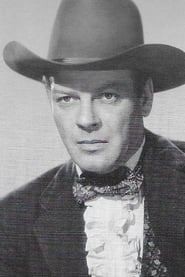
William Ching
Actor
Born: October 2, 1913 in Trier, Rhineland-Palatinate, Germany Died: October 21, 1989 Active: 1950-1955 Birth Name: Wilhelm Franz Ching
Films
1 film
About William Ching
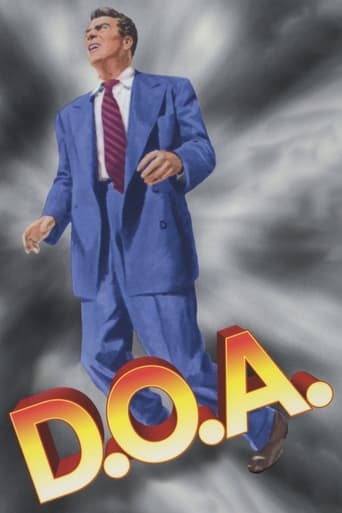
American character actor who appeared primarily in film noir and drama productions during the early 1950s. Though his career was relatively brief, he made a memorable impression in several notable films of the era. Born in 1913, Ching entered the film industry as an adult and quickly found work playing authority figures, professionals, and occasionally antagonistic characters. His most famous role came in the classic film noir D.O.A. (1950), where he played Dr. Matson, the physician who delivers the devastating news to the protagonist about his poisoning. Throughout his career, Ching worked with major studios including Paramount Pictures and Universal Pictures, appearing in supporting roles alongside established stars. His performances were characterized by a serious, professional demeanor that made him particularly effective in roles requiring authority and credibility. Ching's film approximately five years, from 1950 to 1955, after which he transitioned to television work before eventually retiring from acting. His contributions to film noir, while not extensive, remain significant to fans of the genre who appreciate authentic character portrayals.
The Craft
On Screen
Ching was known for his authoritative and professional screen presence, often portraying doctors, lawyers, and other figures of authority. His acting style was characterized by a serious, no-nonsense approach that lent credibility to his roles. He employed a naturalistic technique that was particularly effective in the realistic settings of film noir, where his grounded performances provided a counterpoint to the more dramatic elements of the genre. Ching had a distinctive voice and bearing that made him memorable even in smaller supporting roles.
Milestones
- Memorable supporting role in D.O.A. (1950)
- Regular appearances in film noir productions
- Transition to television work in mid-1950s
- Worked with major Hollywood studios including Paramount and Universal
Best Known For
Iconic Roles
Must-See Films
Working Relationships
Worked Often With
Studios
Why They Matter
Impact on Culture
William Ching's contributions to film noir, though not extensive, represent the essential character acting that gave the genre its authentic texture. His portrayal of medical professionals and authority figures helped ground the often melodramatic scenarios of film noir in realistic settings. As part of the supporting cast in D.O.A., Ching participated in creating what many consider one of the definitive examples of the genre. His work exemplifies the type of reliable character acting that was crucial to the studio system, where dependable performers in smaller roles were essential to maintaining production quality. Ching's performances continue to be appreciated by film noir enthusiasts and scholars who study the genre's supporting players.
Lasting Legacy
William Ching's legacy lies primarily in his contribution to the golden age of film noir, particularly his memorable role in D.O.A. (1950), which has become a cult classic. While he never achieved star status, his work represents the importance of character actors in creating the immersive worlds of classic Hollywood cinema. Film historians and noir enthusiasts continue to recognize his performances as examples of the skilled supporting work that elevated many films of the era. His brief but impactful career serves as a reminder of the many talented actors who contributed to Hollywood's golden age without achieving widespread fame.
Who They Inspired
As a character actor, William Ching's influence was primarily in the realm of supporting performances in film noir. His naturalistic approach to portraying authority figures helped establish a template for realistic character portrayals in genre films. While he didn't mentor other actors directly, his work demonstrated the importance of authenticity in supporting roles, influencing subsequent generations of character actors who studied classic film performances. His performances continue to be studied by actors and film students interested in the techniques of classical Hollywood character acting.
Off Screen
William Ching was born Wilhelm Franz Ching in Germany and immigrated to the United States, where he later became a naturalized citizen. He maintained a relatively private personal life, keeping details about his family and relationships largely out of the public eye. After retiring from acting, Ching lived a quiet life away from the Hollywood spotlight. His German heritage and later American citizenship gave him a unique perspective that may have influenced his character portrayals. Ching passed away in 1989 at the age of 76, having lived long enough to see the films he appeared in gain recognition as classics of the film noir genre.
Did You Know?
- Born Wilhelm Franz Ching in Germany before immigrating to the United States
- His most famous role came in his first major film appearance in D.O.A. (1950)
- Despite his German birth, he often played quintessentially American authority figures
- His career in films was relatively brief, spanning only about five years
- After his film career ended, he appeared in several television productions
- His distinctive appearance and voice made him a recognizable presence even in small roles
- D.O.A. (1950) has been preserved in the National Film Registry for its cultural significance
- He worked with some of the most respected directors of the film noir era
- His role in D.O.A. Required him to deliver crucial exposition that set up the entire film's premise
- Like many character actors of his era, he was frequently typecast in similar professional roles
In Their Own Words
I'm sorry, Mr. Bigelow. You've been poisoned. There's no antidote. You have perhaps a week to live.
as Dr. Matson in D.O.A. (1950)],
controversies
externalLinks
faq