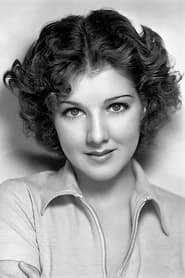
Jean Parker
Actor
Born: August 11, 1915 in Deer Lodge, Montana, USA Died: November 30, 2005 Active: 1932-1958 Birth Name: Lois Mae Green
Films
1 film
About Jean Parker
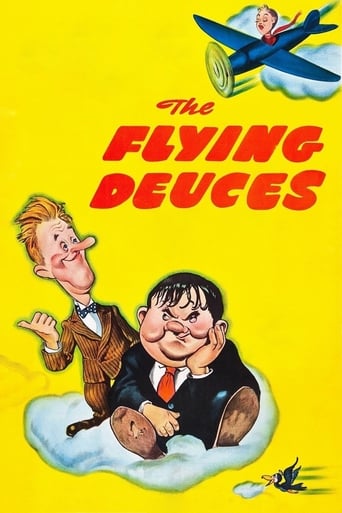
Jean Parker, born Lois Mae Green, was an American actress whose nearly three decades during Hollywood's Golden Age. Discovered by director Sam Wood while studying at UCLA, she made her film debut in 1932 and quickly rose to prominence with her touching portrayal of Beth March in the acclaimed 1933 adaptation of 'Little Women' alongside Katharine Hepburn. Throughout the 1930s and 1940s, Parker established herself as a versatile leading lady, appearing in over 70 films across various genres including dramas, comedies, and musicals. She worked with major studios including MGM, Paramount, and RKO Pictures, sharing the screen with Hollywood legends like Laurel and Hardy in 'The Flying Deuces' (1939). Her career evolved from ingénue roles to more mature characters, though she never achieved the superstar status of some of her contemporaries. By the 1950s, her film appearances became less frequent, and she transitioned to television and theater work before retiring from acting in 1958. Parker spent her later years away from the spotlight, passing away in 2005 at the age of 90, leaving behind a legacy of memorable performances from Hollywood's classic era.
The Craft
On Screen
Jean Parker embodied the classic Hollywood leading lady style with her graceful screen presence and natural emotional depth. Her acting approach was characterized by a gentle sincerity and warmth that made her particularly effective in period pieces and family dramas. She possessed a delicate yet resilient quality that allowed her to portray both vulnerable ingénues and strong-willed women. Parker's technique combined the theatrical influences of her era with a growing naturalism that appealed to audiences transitioning from silent films to talkies. Her performances were marked by expressive eyes and a soft-spoken delivery that conveyed deep emotion without melodrama, making her especially memorable in roles requiring sensitivity and pathos.
Milestones
- Film debut in 'Divorce in the Family' (1932)
- Breakthrough role as Beth March in 'Little Women' (1933)
- Starred opposite Laurel and Hardy in 'The Flying Deuces' (1939)
- Appeared in 'The Ghost Goes West' (1935)
- Featured in 'The Story of Vernon and Irene Castle' (1939)
- Transition to television work in the 1950s
- Final film appearance in 1958
Best Known For
Iconic Roles
Must-See Films
Accolades
Special Recognition
- Hollywood Walk of Fame star (6408 Hollywood Boulevard)
Working Relationships
Worked Often With
Studios
Why They Matter
Impact on Culture
Jean Parker's cultural impact lies in her contribution to the Golden Age of Hollywood, particularly her role in preserving classic literary adaptations for cinema. Her portrayal of Beth March in the 1933 version of 'Little Women' helped establish a template for bringing beloved literary characters to life on screen, influencing subsequent adaptations. As a regular presence in 1930s cinema, she represented the ideal of the American leading lady during Hollywood's formative years. Her work with comedy legends Laurel and Hardy in 'The Flying Deuces' ensured her place in the history of classic comedy, introducing her to new generations of film enthusiasts. While never achieving the iconic status of some contemporaries, Parker's consistent performances across diverse genres contributed to the richness and variety of Hollywood's output during its most celebrated era.
Lasting Legacy
Jean Parker's legacy endures through her extensive filmography that captures the essence of 1930s and 1940s Hollywood cinema. Her performance as Beth March remains. The continued popularity of 'The Flying Deuces' has introduced Parker to new audiences who appreciate classic comedy, ensuring her name remains familiar to film buffs. Her career trajectory—from discovered student to established character actress—exemplifies the path many Hollywood actors took during the studio system era. While she may not be a household name today, film historians and classic cinema enthusiasts recognize Parker as a talented actress who contributed significantly to over 70 films, representing the professionalism and craft of Hollywood's golden generation.
Who They Inspired
Jean Parker influenced subsequent generations of character actresses through her ability to transition seamlessly between leading and supporting roles. Her natural acting style, which avoided the excessive theatricality common in early talkies, helped pave the way for more realistic performances in Hollywood. Younger actresses studying classic cinema often cite Parker's work in 'Little Women' as an example of how to portray period characters with authenticity and emotional depth. Her career longevity, spanning multiple decades and genres, demonstrated the importance of versatility for actors in the Hollywood studio system. While she didn't mentor specific individuals directly, her body of work continues to serve as a reference point for actors studying the techniques and approaches of Golden Age performers.
Off Screen
Jean Parker's personal life was marked by four marriages and a relatively private existence away from Hollywood's social scene. Her first marriage to George MacDonald ended in divorce in 1940, followed by marriages to Robert Dietz and Curt J. 'Bud' Gans, which also ended in divorce. She found lasting happiness with her fourth husband, Robert L. Herring, whom she married in 1951 and remained with until his death. The couple had one son together, Robert Herring Jr. Despite her Hollywood career, Parker maintained a reputation for being down-to-earth and focused on her family life. After retiring from acting, she devoted herself to her family and lived a quiet life in California's San Fernando Valley, rarely giving interviews or making public appearances in her later years.
Education
Attended University of California, Los Angeles (UCLA) before being discovered for films
Family
- George MacDonald (1936-1940)
- Robert Dietz (1941-1944)
- Curt J. 'Bud' Gans (1945-1949)
- Robert L. Herring (1951-2005)
Did You Know?
- Discovered by director Sam Wood while attending UCLA
- Her birth name was Lois Mae Green, changed by the studio for her film career
- Appeared in over 70 films during her 26-year career
- Her role as Beth March in 'Little Women' (1933) was her breakthrough performance
- Worked with comedy legends Laurel and Hardy in 'The Flying Deuces' (1939)
- Married four times, finding lasting happiness with her fourth husband
- Transitioned successfully to television work in the 1950s
- Has a star on the Hollywood Walk of Fame at 6408 Hollywood Boulevard
- Lived to be 90 years old, passing away in 2005
- Appeared in both American and British productions during her career
- Was one of the few actresses to work with both major dramatic stars and comedy legends
- Retired from acting in 1958 to focus on family life
In Their Own Words
On being discovered: 'I was just a college girl when Mr. Wood saw me. I never dreamed I'd be in pictures.'
On her 'Little Women' role: 'Playing Beth March was the highlight of my early career. She was such a gentle, loving character.'
On working with Laurel and Hardy: 'They were absolute professionals and wonderful comedians. I learned so much just watching them work.'
Frequently Asked Questions
Who was Jean Parker?
American actress active during Hollywood's Golden Age, appearing in over 70 films from 1932 to 1958. Born Lois Mae Green, she was discovered while attending UCLA and became best known for her role as Beth March in the 1933 adaptation of 'Little Women' and for appearing with Laurel and Hardy in 'The Flying Deuces' (1939).
What films is Jean Parker best known for?
Titles linked here include Little Women (1933), The Flying Deuces (1939).
When was Jean Parker born and when did she die?
Born August 11, 1915; died November 30, 2005.
What awards did Jean Parker win?
While Jean Parker did not receive major film awards or Academy Award nominations during her career, she was honored with a star on the Hollywood Walk of Fame at 6408 Hollywood Boulevard in recognition of her contributions to the film industry.
What was Jean Parker's acting style?
Jean Parker's acting style embodied the classic Hollywood leading lady approach with natural emotional depth and graceful screen presence. She was known for her gentle sincerity and warmth, making her particularly effective in period pieces and dramas requiring sensitivity and pathos.