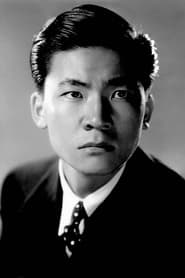
Victor Sen Yung
Actor
Born: October 18, 1914 in San Francisco, California, USA Died: November 9, 1980 Active: 1938-1980 Birth Name: Sen Yew Cheung
Films
1 film
About Victor Sen Yung
Chinese-American actor: over four decades in Hollywood. Born Sen Yew Cheung, he broke into the film industry during a time when Asian actors faced significant typecasting and limited opportunities. He achieved widespread recognition for his role as Jimmy Chan, the number one son, in the Charlie Chan film series, taking over the role from Keye Luke in 1938. Beyond the Charlie Chan films, Yung built a diverse career appearing in numerous films and television shows, often fighting against stereotypical roles. His most television role came as Hop Sing, the loyal cook on the western series 'Bonanza,' which he played from 1959 to 1973. Throughout his career, Yung worked to bring more dignity and authenticity to Asian representation in American media, though he was still often confined to supporting roles. He continued acting until his death in 1980, leaving behind a legacy as one of Hollywood's most recognizable Asian-American character actors.
The Craft
On Screen
Victor Sen Yung developed a versatile acting style that adapted to the limited roles available to Asian actors in Hollywood. In his Charlie Chan role, he portrayed a respectful, intelligent son who assisted his father in solving mysteries, bringing warmth and humor to the character. His performances often balanced the stereotypical expectations of the era with subtle dignity and intelligence. As Hop Sing in Bonanza, he created a memorable character who was both comic relief and a symbol of loyalty and wisdom, despite the limited screen time. Yung's acting was characterized by his ability to convey emotion and personality even within the constraints of typecast roles.
Milestones
- Cast as Jimmy Chan in Charlie Chan series (1938)
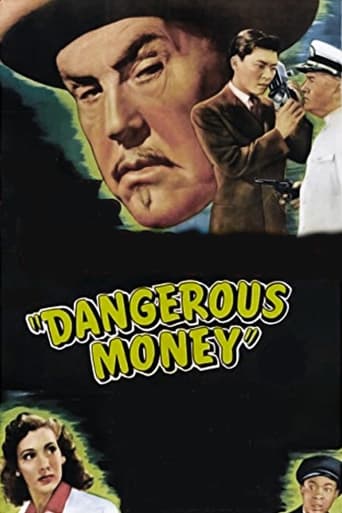
- Appeared in Dangerous Money (1946)
- Became Hop Sing on Bonanza (1959-1973)
- Appeared in The Manchurian Candidate (1962)
- Published Chinese cookbook in 1974
- Worked as radio announcer and chef between acting roles
Best Known For
Iconic Roles
Must-See Films
Accolades
Special Recognition
- Hollywood Walk of Fame star (1972)
Working Relationships
Worked Often With
Studios
Why They Matter
Impact on Culture
Victor Sen Yung was. His role as Jimmy Chan helped establish one of the first positive Asian family representations in American cinema, despite the character still being secondary to the white protagonist. As Hop Sing on Bonanza, he became one of the first recurring Asian characters in a major American television series, introducing millions of viewers to Asian presence in American life. Yung's long career paved the way for future generations of Asian-American actors, demonstrating that Asian performers could have lasting careers in Hollywood.
Lasting Legacy
Victor Sen Yung's legacy lies in his perseverance and visibility during an era of extreme typecasting for Asian actors. He represents the bridge between early Asian-American cinema representation and the more diverse opportunities that would come later. His cookbook 'Great Wok Cookbook' (1974) helped introduce Chinese cooking to American households, extending his cultural impact beyond acting. The Hollywood Walk of Fame star he received in 1972 stands as proof of his contributions to American entertainment. Modern Asian-American actors often cite pioneers like Yung for opening doors and making their own careers possible.
Who They Inspired
Yung influenced subsequent generations of Asian-American actors by demonstrating that a sustainable career was possible in Hollywood despite limitations. His ability to find work across different genres and media served as a model for versatility. Actors like Russell Wong, Daniel Dae Kim, and others have acknowledged the debt owed to early Asian-American performers like Yung who maintained their careers and dignity during challenging times. His approach to bringing authenticity to stereotyped roles while maintaining professionalism set standards for how Asian actors could navigate the industry.
Off Screen
Victor Sen Yung was married twice and had two children. Between acting roles, he worked various jobs including as a radio announcer and chef, even publishing a Chinese cookbook. He was known for his culinary skills and often cooked for cast and crew on set. Yung was proud of his Chinese heritage and worked to promote Chinese culture through his cooking and public appearances. He was active in the Chinese-American community and often spoke about the challenges of being an Asian actor in Hollywood.
Education
University of California, Berkeley (attended)
Family
- Lolita Quan (1942-1950)
- Carol (1952-1980)
Did You Know?
- Changed his name from Sen Yew Cheung to Victor Sen Yung for Hollywood
- Was a talented chef and published a Chinese cookbook in 1974
- Spoke both Cantonese and English fluently
- Worked as a radio announcer during breaks from acting
- Served in the U.S. Army during World War II
- Was replaced as Jimmy Chan by Benson Fong when he left the Charlie Chan series
- Appeared in more Charlie Chan films than any other actor who played Jimmy Chan
- His character Hop Sing was so popular on Bonanza that fans wrote letters asking for more of his storylines
- Was a skilled martial artist in real life, though rarely showed these skills on screen
- His last film role was in 'The Killer Elite' (1975)
In Their Own Words
I've been typecast all my life, but I've made a good living at it.
Playing Hop Sing gave me more recognition than anything else I've done.
I'm proud to be Chinese-American and I've tried to bring that pride to every role I've played.
Frequently Asked Questions
Who was Victor Sen Yung?
Chinese-American with credits in this catalog. His active years covered over four decades, making him.
What films is Victor Sen Yung best known for?
Titles linked here include Charlie Chan at the Olympics (1938), Charlie Chan in Reno (1939).
When was Victor Sen Yung born and when did he die?
Born October 18, 1914; died November 9, 1980.
What awards did Victor Sen Yung win?
While Victor Sen Yung did not receive major acting awards during his career, he was honored with a star on the Hollywood Walk of Fame in 1972, recognizing his significant contributions to American entertainment.
What was Victor Sen Yung's acting style?
Yung developed a versatile style adapted to the limited roles available to Asian actors, bringing warmth and intelligence to stereotypical characters. He balanced Hollywood's expectations with subtle dignity, creating memorable characters like the loyal Jimmy Chan and the wise Hop Sing despite typecasting constraints.
How did Victor Sen Yung contribute to Asian-American representation?
Yung — trailblazer for Asian-American actors, maintaining a steady career when opportunities were extremely limited. His visibility in major films and TV shows helped normalize Asian presence in American media and paved the way for future generations of Asian performers.
What was Victor Sen Yung's role in Bonanza?
From 1959 to 1973, Yung played Hop Sing, the Cartwright family's cook and housekeeper on Bonanza. Though often in supporting capacity, his character became one of television's first recurring Asian characters and was beloved by viewers.