William Holden
Actor
Born: April 17, 1918 in O'Fallon, Illinois, USA Died: November 12, 1981 Active: 1938-1981 Birth Name: William Franklin Beedle Jr.
Films
1 film
About William Holden
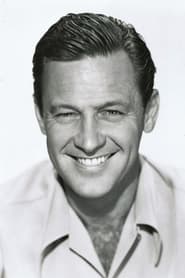
William Holden was one of Hollywood's most leading men, known for his rugged good looks, naturalistic acting style, and complex characterizations that defined the golden age of cinema. Born William Franklin Beedle Jr., he was discovered by a talent scout while performing in a college play and signed with Paramount Pictures in 1938. His breakthrough role came in 'Golden Boy' (1939), but it was his performance as Joe Gillis in Billy Wilder's 'Sunset Boulevard' (1950) that cemented his status as a major star. Holden won the Academy Award for Best Actor for his role as Sgt. J.J. Sefton in 'Stalag 17' (1953), showcasing his ability to blend cynicism with underlying vulnerability. Throughout the 1950s and 1960s, he became one of Hollywood's most bankable stars, appearing in classics like 'Sabrina' (1954), 'The Bridge on the River Kwai' (1957), and 'Picnic' (1955). His later career saw him take on more mature roles in films like 'Network' (1976), demonstrating his enduring versatility. Holden's personal life was marked by struggles with alcoholism and a reputation for being difficult on set, yet he maintained a powerful screen presence until his tragic death in 1981.
The Craft
On Screen
Holden was known for his naturalistic, understated acting style that brought authenticity and emotional depth to his roles. He possessed a unique ability to convey complex emotions through subtle facial expressions and body language, often playing characters with a cynical exterior masking underlying vulnerability. His approach rejected theatrical exaggeration in favor of realistic, grounded performances that resonated with audiences. Holden specialized in portraying the everyman thrust into extraordinary circumstances, bringing relatable human qualities to even his most glamorous roles.
Milestones
- Breakthrough role in 'Golden Boy' (1939)
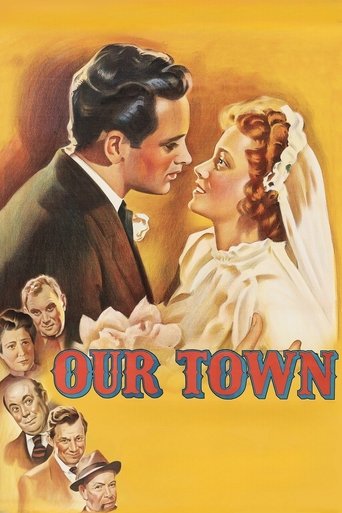
- Starred in 'Our Town' (1940) as George Gibbs
- Iconic performance in 'Sunset Boulevard' (1950)
- Academy Award for 'Stalag 17' (1953)
- Star of 'The Bridge on the River Kwai' (1957)
- Received Emmy nomination for 'The Blue Knight' (1973)
Best Known For
Iconic Roles
Must-See Films
Accolades
Won
- Academy Award for Best Actor (1954) for 'Stalag 17'
- Emmy Award for Outstanding Lead Actor in a Limited Series (1974) for 'The Blue Knight'
- Golden Globe for Best Actor (1977) for 'Network'
Nominated
- Academy Award nomination for Best Actor (1951) for 'Sunset Boulevard'
- Academy Award nomination for Best Actor (1957) for 'Picnic'
- BAFTA nomination for Best Foreign Actor (1958) for 'The Bridge on the River Kwai'
- Golden Globe nomination for Best Actor (1951) for 'Sunset Boulevard'
- Golden Globe nomination for Best Actor (1957) for 'Picnic'
Special Recognition
- Hollywood Walk of Fame star (1960)
- American Film Institute's 25 Greatest Male Stars of Classic Hollywood Cinema (ranked #23)
- Posthumous star on the St. Louis Walk of Fame
Working Relationships
Worked Often With
Studios
Why They Matter
Impact on Culture
William Holden revolutionized the Hollywood leading man archetype by bringing a new level of realism and emotional complexity to his roles. His portrayal of cynical, world-weary characters with underlying vulnerability reflected the post-war American psyche and influenced generations of actors. Holden's work in films like 'Sunset Boulevard' helped define film noir and established him as a symbol of Hollywood's golden age. His naturalistic acting style contrasted sharply with the more theatrical performances of earlier eras, paving the way for method acting and more realistic approaches in cinema. Holden also represented the transition from the studio system to more independent filmmaking, maintaining his star power while adapting to changing industry dynamics.
Lasting Legacy
William Holden's legacy endures through his iconic performances that continue to be studied and admired by film enthusiasts and actors alike. His ability to blend toughness with vulnerability created a new template for male leads in Hollywood cinema. The films he starred in, particularly 'Sunset Boulevard' and 'Stalag 17,' remain classics that define their respective genres. Holden's influence can be seen in the work of actors like Russell Crowe, George Clooney, and Denzel Washington, who share his ability to portray complex, morally ambiguous characters. His tragic death at the height of his cultural relevance cemented his status as a Hollywood legend, while his extensive filmography ensures his place in cinema history as.
Who They Inspired
Holden's influence on acting technique was profound, particularly his naturalistic approach that rejected theatricality in favor of authenticity. His work with Billy Wilder established a new standard for portraying cynicism and moral ambiguity in American cinema. Many contemporary actors cite Holden's ability to convey deep emotion through minimal expression as a major influence on their own craft. His success in both dramatic and romantic roles demonstrated the viability of versatile leading men who could transcend genre limitations. Holden's career also influenced how actors navigated the changing Hollywood landscape, maintaining artistic integrity while adapting to new filmmaking methods and audience expectations.
Off Screen
Holden's personal life was complex and often troubled. He married actress Brenda Marshall in 1941, and they had two sons together, though their marriage was marked by infidelity and ended in divorce in 1971. He had a long-term relationship with actress Stefanie Powers in his later years. Holden struggled with alcoholism for much of his adult life, which affected both his personal relationships and professional career. He was also known for his philanthropic work, particularly in wildlife conservation in Africa. His death in 1981 occurred under tragic circumstances when he fell and sustained a head injury in his apartment, dying from blood loss after being alone for several days.
Education
Pasadena Junior College (studied chemistry)
Family
- Brenda Marshall (1941-1971)
Did You Know?
- His birth name William Franklin Beedle Jr. Was changed to William Holden by a Paramount executive
- He was paid $50,000 for 'Sunset Boulevard', a significant sum at the time
- Holden — avid conservationist and established the Mount Kenya Game Ranch
- He turned down the lead role in 'From Here to Eternity' (1953)
- His performance in 'Our Town' (1940) was one of his first major film roles
- Holden — licensed pilot and owned several aircraft
- He was close friends with Ronald Reagan and supported his political career
- His death occurred just weeks after completing his final film 'S.O.B.'
- Holden never attended acting school, learning entirely through experience
- He was one of the first Hollywood stars to negotiate percentage deals on films
In Their Own Words
I'm not a Hollywood star. I'm an actor. There's a difference.
The only thing I ever wanted to be was an actor. I never wanted to be a star.
I've always been a cynic, but I'm a romantic cynic.
Acting is the most personal of all arts. You can't hide behind anything.
I'd rather be a good actor in a good picture than a star in a bad one.
Frequently Asked Questions
Who was William Holden?
Academy Award-winning American with credits in this catalog. Known for his naturalistic acting style and rugged good looks, he starred in classic films like 'Sunset Boulevard,' 'Stalag 17,' and 'The Bridge on the River Kwai.'
What films is William Holden best known for?
Titles linked here include Sunset Boulevard (1950), Stalag 17 (1953).
When was William Holden born and when did he die?
Born April 17, 1918; died November 12, 1981.
What awards did William Holden win?
William Holden won the Academy Award for Best Actor for 'Stalag 17' in 1954, an Emmy Award for 'The Blue Knight' in 1974, and a Golden Globe for 'Network' in 1977. He also received multiple Oscar nominations for his performances in 'Sunset Boulevard' and 'Picnic'.