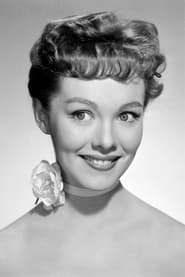
Phyllis Kirk
Actor
Born: September 18, 1927 in Syracuse, New York, USA Died: October 19, 2006 Active: 1950-1960s (with occasional later appearances) Birth Name: Phyllis Steiner
Films
1 film
About Phyllis Kirk
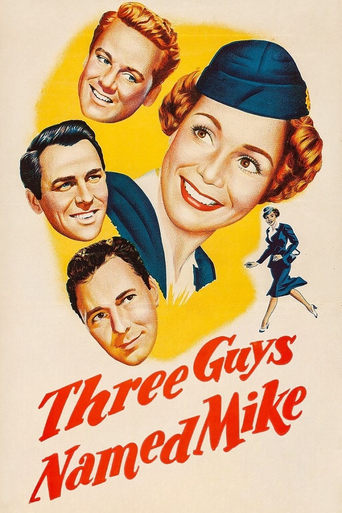
American actress who rose to prominence in the early 1950s, establishing herself as a versatile performer in both dramatic and light-hearted roles. Born Phyllis Steiner in Syracuse, New York, she began her career as a model before transitioning to acting. Her breakthrough came with her role in the aviation comedy 'Three Guys Named Mike' (1951) alongside Jane Wyman and Van Johnson. Kirk's most memorable performance came in the 3D horror classic 'House of Wax' (1953), where she starred opposite Vincent Price, cementing her place in horror cinema history. Throughout the 1950s, she appeared in numerous films and television shows, including 'The Iron Mistress' (1952) and 'The Bad Seed' (1956). She later transitioned successfully to television, with notable appearances in popular series like 'The Twilight Zone' and 'Perry Mason'. By the late 1950s, she began to step back from acting to focus on her personal life, though she occasionally took on roles in the following decades. Her career, though relatively brief, left a lasting impression on both horror and classic cinema enthusiasts.
The Craft
On Screen
Kirk was known for her natural, understated acting style that conveyed both vulnerability and strength. She had a distinctive screen presence with her striking features and expressive eyes, which served her particularly well in horror and suspense roles. Her performances were marked by a subtle emotional depth that made her characters relatable and authentic, whether playing the damsel in distress or the supportive friend. She had a versatility that allowed her to transition seamlessly between comedy, drama, and horror genres.
Milestones
- Breakthrough role in 'Three Guys Named Mike' (1951)
- Starred in the 3D horror classic 'House of Wax' (1953)
- Successful transition to television in the late 1950s
- Appeared in 'The Bad Seed' (1956)
- Guest appearances on 'The Twilight Zone' and 'Perry Mason'
Best Known For
Iconic Roles
Must-See Films
Accolades
Special Recognition
- Hollywood Walk of Fame star (for contributions to motion pictures)
Working Relationships
Worked Often With
Studios
Why They Matter
Impact on Culture
Phyllis Kirk made a significant impact on 1950s cinema, particularly through her role in 'House of Wax,' which became a landmark in 3D horror filmmaking. Her portrayal of the resourceful heroine Sue Allen helped establish the archetype of the strong female protagonist in horror films, contrasting with the typical helpless victim trope. The film's success and her performance contributed to the popularity of 3D technology in the early 1950s and influenced subsequent horror productions. Her work also represented the transition from classic Hollywood's studio system to more independent character-driven storytelling.
Lasting Legacy
Phyllis Kirk's legacy endures primarily through her iconic performance in 'House of Wax,' which remains a beloved classic among horror enthusiasts and film historians. She is remembered as one of the actresses in 3D cinema and as a representative of the versatile leading ladies of 1950s Hollywood. Her ability to work across genres—from comedy to horror to drama—demonstrated the range and adaptability required of actors during Hollywood's Golden Age. Though she never achieved superstar status, her contributions to classic cinema continue to be appreciated by film buffs and scholars who study the evolution of American horror films and the role of women in mid-century cinema.
Who They Inspired
Kirk's performance in 'House of Wax' influenced subsequent generations of horror actresses, particularly in how she balanced vulnerability with strength and resourcefulness. Her natural acting style contrasted with the more theatrical performances common in earlier horror films, paving the way for more realistic portrayals in the genre. Her successful transition from film to television also exemplified the changing landscape of entertainment in the 1950s, influencing other actors to consider cross-medium careers. She demonstrated that actresses could maintain dignity and substance while working in popular genre films, challenging the perception that horror cinema was merely exploitative.
Off Screen
Phyllis Kirk married television producer Charles E. Sellers in 1955, and the couple remained together until his death in 1999. Unlike many Hollywood actresses of her era, Kirk maintained a relatively private personal life, avoiding the typical Hollywood social scene. She was known for her intelligence and wit, often engaging in intellectual pursuits outside of her acting career. After stepping back from acting, she focused on her marriage and personal interests, including literature and art. She was also known for her advocacy for animal welfare and supported various charitable causes throughout her life.
Education
Attended Syracuse University before moving to New York City to pursue modeling and acting
Family
- Charles E. Sellers (1955-1999)
Did You Know?
- Was discovered by a talent scout while working as a model in New York City
- Changed her name from Steiner to Kirk because it was easier to pronounce
- 'House of Wax' was one of the first full-color 3D films from a major studio
- She was claustrophobic in real life, which made filming some scenes in 'House of Wax' challenging
- Turned down several roles that later became famous for other actresses
- Was a skilled horse rider and performed her own stunts when possible
- Appeared in over 20 television series throughout the 1950s and 1960s
- Was a close friend of fellow actress Jane Wyman
- Her Hollywood Walk of Fame star is located at 6353 Hollywood Boulevard
- Retired from acting in the early 1970s to focus on personal interests
- Was an accomplished painter in her later years
- Spoke three languages fluently: English, French, and Italian
In Their Own Words
I never wanted to be a star. I just wanted to be a good actress.
Horror films can be art if they're done with intelligence and taste.
Working in 3D was challenging, but it was exciting to be part of something new and innovative.
The 1950s was a wonderful time to be in Hollywood. The studio system was changing, but there was still magic in the air.
Frequently Asked Questions
Who was Phyllis Kirk?
American actress active in the 1950s, best known for her roles in 'House of Wax' (1953) and 'Three Guys Named Mike' (1951). She was a versatile performer who worked across multiple genres, from horror to comedy to drama, and later found success in television.
What films is Phyllis Kirk best known for?
Titles linked here include House of Wax (1953), Three Guys Named Mike (1951).
When was Phyllis Kirk born and when did she die?
Born September 18, 1927; died October 19, 2006.
What awards did Phyllis Kirk win?
While Phyllis Kirk didn't receive major acting awards during her career, she was honored with a star on the Hollywood Walk of Fame for her contributions to motion pictures.
What was Phyllis Kirk's acting style?
Kirk was known for her natural, understated acting style that conveyed both vulnerability and strength. She had a distinctive screen presence with expressive eyes and emotional depth that made her characters authentic and relatable across various genres.
Did Phyllis Kirk work primarily in film or television?
She began her career in films during the early 1950s but successfully transitioned to television in the late 1950s, appearing in numerous popular series including 'The Twilight Zone' and 'Perry Mason' throughout the 1960s.
Was 'House of Wax' Phyllis Kirk's most famous role?
Yes, her role as Sue Allen in 'House of Wax' (1953) became her most iconic performance. The film was groundbreaking as one of the first full-color 3D horror movies from a major studio and remains a cult classic today.
Why did Phyllis Kirk retire from acting?
Kirk gradually stepped back from acting in the late 1950s to focus on her personal life and marriage to producer Charles E. Sellers. Though she made occasional appearances in the following decades, she preferred to live a more private life away from Hollywood.