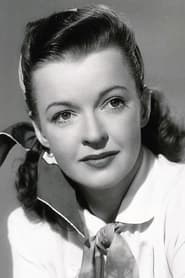
Dale Evans
Actor
Born: October 31, 1912 in Uvalde, Texas, USA Died: February 7, 2001 Active: 1942-1957 (film), 1951-1957 (television) Birth Name: Lucille Wood Smith (later changed to Frances Octavia Smith)
Films
1 film
About Dale Evans
Dale Evans, born Lucille Wood Smith, was an American actress, singer, and songwriter who became an figure in American Western entertainment. She began her career as a radio singer in Memphis before moving to Hollywood in the early 1940s. Her breakthrough came when she was cast opposite Roy Rogers in 'The Cowboy and the Señorita' (1944), which launched their partnership. Dale appears in dozens of Western films throughout the 1940s and 1950s, often playing strong female characters who could ride, shoot, and sing alongside the cowboy heroes. Beyond acting, she was a prolific songwriter, penning the classic 'Happy Trails' which became her and Roy Rogers' signature song. After their film career waned, they successfully transitioned to television with 'The Roy Rogers Show' (1951-1957). Later in life, she became an author and Christian inspirational speaker, writing numerous books about her life and faith.
The Craft
On Screen
Known for portraying strong, independent female characters in Westerns who could hold their own alongside male leads. Her acting style was natural and authentic, often incorporating her musical talents into her performances. She brought a unique blend of femininity and frontier toughness to her roles, helping to redefine the role of women in Western cinema.
Milestones
- Breakthrough role in 'The Cowboy and the Señorita' (1944)
- Marriage and partnership with Roy Rogers (1947)
- Writing 'Happy Trails' (1950)
- Starring in 'The Roy Rogers Show' TV series (1951-1957)
- Induction into the Cowgirl Hall of Fame (1995)
Best Known For
Iconic Roles
Must-See Films
Accolades
Won
- Golden Boot Award (1985)
- Cowgirl Hall of Fame Inductee (1995)
- Academy of Country Music Pioneer Award
Special Recognition
- Hollywood Walk of Fame star (Radio category)
- Western Heritage Awards
- National Cowgirl Museum Hall of Fame
Working Relationships
Worked Often With
Studios
Why They Matter
Impact on Culture
Dale Evans significantly influenced American popular culture through her portrayal of strong, capable women in Western entertainment. As one half of the 'King of the Cowboys and Queen of the West' duo with Roy Rogers, she helped shape the image of American frontier values for generations. Her song 'Happy Trails' became an enduring part of American musical culture, far beyond its Western origins. She broke ground by being one of the first female Western stars who wasn't just a love interest but an active participant in the action. Her later work as an author and Christian speaker extended her influence into American religious and family life.
Lasting Legacy
Dale Evans left a lasting legacy as a pioneer for women in entertainment, particularly in the Western genre. She proved that female stars could be both feminine and strong, both romantic and independent. Her partnership with Roy Rogers created a template for entertainment couples that would influence future generations. Her contributions to music, especially 'Happy Trails,' ensured her place in American popular culture long after her film career ended. The Roy Rogers-Dale Evans Museum preserved their legacy for fans, and her Christian writings cemented her role as an American cultural icon beyond entertainment.
Who They Inspired
Dale Evans influenced subsequent generations of Western actresses by demonstrating that women could be central, active characters in Western narratives rather than peripheral figures. Her combination of acting, singing, and songwriting talents set a precedent for multi-talented entertainers. Her public persona and real-life partnership with Roy Rogers influenced how celebrity couples presented themselves to the public. Her later Christian work influenced the intersection of entertainment and faith in American culture.
Off Screen
Dale Evans was married three times. Her first marriage to Thomas F. Fox ended in divorce, and her second husband Robert Dale Butts died in a car accident. She met Roy Rogers in 1944, and they married in 1947, forming one of Hollywood's most enduring partnerships. Together they had one child, Cheryl Rogers, and adopted several others. Their family life was often featured in their media appearances, presenting an idealized vision of American family values. After Roy Rogers' death in 1998, she continued their legacy through writing and public appearances until her own death in 2001.
Education
Attended high school in Osceola, Arkansas; largely self-taught in music and performance
Family
- Thomas F. Fox (1929-1935)
- Robert Dale Butts (1937-1946)
- Roy Rogers (1947-1998)
Did You Know?
- Her birth name was Lucille Wood Smith, later changed to Frances Octavia Smith
- She was a successful radio singer before moving to Hollywood
- She wrote 'Happy Trails' in just 30 minutes
- She and Roy Rogers adopted 7 children in addition to their biological daughter
- She was a prolific author, writing over 20 books
- She was inducted into the Cowgirl Hall of Fame in 1995
- She appeared on the cover of TV Guide three times
- She had a star on the Hollywood Walk of Fame for her radio work
- She was a licensed pilot
- She founded the Happy Trails Children's Foundation
- Her horse's name was Buttermilk
- She was known as the 'Queen of the West'
In Their Own Words
Happy trails to you, until we meet again
I'm not a star. I'm just a plain girl who married a cowboy
Faith is not believing that God can. It is knowing that God will
The greatest legacy one can pass on to one's children and grandchildren is not money or other material things accumulated in one's life, but rather a legacy of character and faith
Life is not about waiting for the storm to pass, but about learning to dance in the rain
Frequently Asked Questions
Who was Dale Evans?
American actress, singer, and songwriter who became famous as the 'Queen of the West' through her partnership with Roy Rogers in Western films and television. She was a figure in entertainment who portrayed strong, independent female characters in Westerns and wrote the iconic song 'Happy Trails'.
What films is Dale Evans best known for?
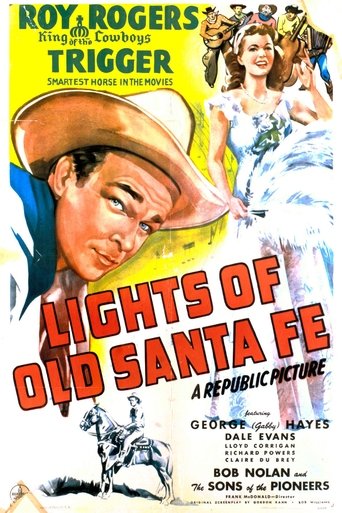
Titles linked here include Lights of Old Santa Fe (1944), The Cowboy and the Señorita (1944).
When was Dale Evans born and when did she die?
Born October 31, 1912; died February 7, 2001.
What awards did Dale Evans win?
Dale Evans received numerous honors including the Golden Boot Award in 1985, induction into the Cowgirl Hall of Fame in 1995, a star on the Hollywood Walk of Fame for her radio work, and the Academy of Country Music Pioneer Award. She and Roy Rogers also received Western Heritage Awards for their contributions to Western entertainment.
What was Dale Evans' acting style?
Dale Evans was known for portraying strong, independent female characters in Westerns who could ride, shoot, and sing alongside male leads. Her acting style was natural and authentic, often incorporating her musical talents into performances. She brought a unique blend of femininity and frontier toughness that helped redefine women's roles in Western cinema.
How did Dale Evans influence Western entertainment?
Dale Evans revolutionized Western entertainment by proving that female characters could be central, active participants rather than just love interests. Her partnership with Roy Rogers created the template for entertainment couples, and her multi-talented approach to performance set precedents for future entertainers. She helped make Westerns more inclusive and appealing to broader audiences.
What was Dale Evans' most famous song?
Dale Evans' most famous song is 'Happy Trails,' which she wrote in 1950. The song became her and Roy Rogers' signature tune and has since become an enduring part of American popular culture, often used as a farewell song in various contexts beyond Western entertainment.