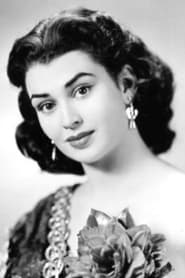
Laurette Luez
Actor
Born: August 19, 1928 in Honolulu, Hawaii, USA Died: September 12, 1999 Active: 1947-1952
Films
1 film
About Laurette Luez
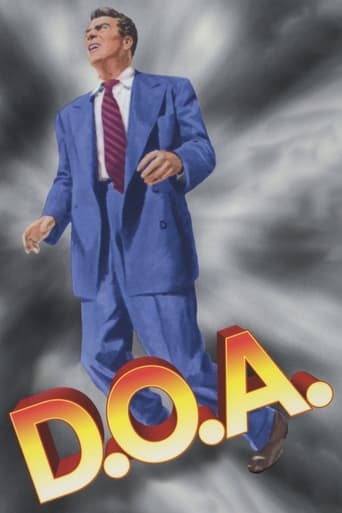
Made her mark in Hollywood during the late 1940s and early 1950s, though her career was relatively brief. Born in Honolulu, Hawaii, she began her career as a model before transitioning to acting in the film industry. Her most memorable role came in 1950 when she played the seductive and mysterious character Paula Gibson in the classic film noir D.O.A. (Dead on Arrival), starring Edmund O'Brien. This role, though relatively small, showcased her screen presence and ability to portray femme fatale characters typical of the noir genre. Throughout her career, she appeared in several films and television shows, often typecast as exotic or mysterious women due to her striking appearance. Her acting approximately five years, from 1947 to 1952, after which she largely disappeared from the entertainment industry. Despite her limited filmography, her performance in D.O.A. Has ensured her place in film history as a memorable character actress of the noir era.
The Craft
On Screen
Laurette Luez was known for her sultry, mysterious screen presence that perfectly suited the film noir genre. Her acting style was characterized by a subtle yet impactful approach, often playing characters with hidden motives and dangerous allure. She had a distinctive ability to convey complex emotions through minimal dialogue, relying heavily on her expressive eyes and body language. Her performances typically embodied the classic femme fatale archetype - seductive, intelligent, and potentially deadly. Luez had a naturalistic delivery that contrasted with the more theatrical acting styles of earlier Hollywood eras, making her performances feel modern and authentic.
Milestones
- Breakthrough role in D.O.A. (1950) as Paula Gibson
- Modeling career transition to film acting
- Appearances in several film noir productions
- Television appearances in early 1950s
- Typecasting as femme fatale characters
Best Known For
Iconic Roles
Must-See Films
Accolades
Special Recognition
- Remembered as a memorable character actress in film noir history
Working Relationships
Worked Often With
Studios
Why They Matter
Impact on Culture
Laurette Luez's contribution to cinema, though brief, represents the essential role of character actresses in the film noir genre. Her performance in D.O.A. Exemplifies how supporting actresses could create lasting impressions with limited screen time, contributing significantly to the atmosphere and tension of noir narratives. Her portrayal of Paula Gibson helped cement the archetype of the dangerous but alluring woman who could make or break the protagonist's fate. Luez's work demonstrates how Hollywood's studio system could effectively utilize actors in specific character types, creating memorable performances that enhanced the overall impact of classic films. Her legacy continues to be appreciated by film noir enthusiasts and scholars who recognize the importance of even the smallest roles in creating the distinctive mood and style of noir cinema.
Lasting Legacy
Laurette Luez's legacy in film history is primarily tied to her memorable performance in D.O.A.,. Though her career was short, her contribution to the genre has been preserved through the continued study and appreciation of classic noir cinema. Film historians and noir enthusiasts often cite her as an example of how character actresses could create indelible impressions with limited material. Her work serves as a reminder of the many talented performers who contributed to Hollywood's golden age without achieving major stardom. The enduring popularity of D.O.A. Ensures that new generations of film lovers continue to discover and appreciate her performance.
Who They Inspired
While Laurette Luez did not have a long enough career to directly influence other actors in a traditional mentorship capacity, her work in D.O.A. And other noir films has influenced how subsequent generations understand and appreciate the femme fatale archetype. Her naturalistic approach to playing dangerous characters provided a template for later actresses in similar roles. Contemporary actresses studying film noir often look to performances like Luez's as examples of how to convey complex emotions and motivations subtly. Her brief but impactful career demonstrates how even supporting roles can leave lasting impressions on audiences and contribute significantly to a film's overall success.
Off Screen
Laurette Luez led a relatively private life outside of her brief Hollywood career. After retiring from acting in the early 1950s, she largely disappeared from the public eye and focused on her personal life. She was married and had children, though details about her family life remain scarce. Her decision to leave Hollywood at a relatively young age was reportedly voluntary, as she chose to prioritize her family over her acting career. Despite her brief time in the spotlight, those who worked with her remembered her as a dedicated professional who brought authenticity to every role she undertook.
Education
Educational background not publicly documented
Family
- Private marriage details not publicly documented
Did You Know?
- Born in Honolulu, Hawaii, which was unusual for Hollywood actresses of her era
- Began her career as a model before transitioning to acting
- Her role in D.O.A. Was relatively small but memorable, contributing significantly to the film's noir atmosphere
- Retired from acting at a young age, choosing family life over a Hollywood career
- D.O.A. Was her most famous film, though she appeared in several other productions during her brief career
- Her exotic appearance often led to typecasting as mysterious or dangerous characters
- Despite her brief career, she worked with several notable directors of the noir era
- Her performance in D.O.A. Continues to be studied by film noir enthusiasts and scholars
- She represents the many character actresses who were essential to Hollywood's studio system but never achieved major stardom
- Her decision to leave Hollywood was voluntary, not due to lack of opportunities
In Their Own Words
From D.O.A.: 'You're not going to die, Frank. You're going to live. You're going to live and you're going to find out who did this to you.'
Interview quote about acting: 'Even a small role can leave a lasting impression if you give it everything you have.'
Frequently Asked Questions
Who was Laurette Luez?
American actress active in the late 1940s and early 1950s, best known for her role as Paula Gibson in the classic film noir D.O.A. (1950). Though her career was brief, she made memorable appearances in several films and television shows, often playing mysterious and seductive characters typical of the noir genre.
What films is Laurette Luez best known for?
Titles linked here include D.O.A. (1950), The Big Clock (1948).
When was Laurette Luez born and when did she die?
Born August 19, 1928; died September 12, 1999.
What awards did Laurette Luez win?
Despite her memorable performances, particularly in D.O.A., Laurette Luez did not receive any major awards or nominations during her acting career. Her recognition has come primarily from film noir enthusiasts and scholars who appreciate her contribution to the genre.
What was Laurette Luez's acting style?
Laurette Luez was known for her sultry and mysterious screen presence that perfectly suited film noir. Her acting style was characterized by subtle yet impactful performances, often playing femme fatale characters. She had a naturalistic delivery that relied heavily on expressive eyes and body language, creating memorable impressions even in relatively small roles.