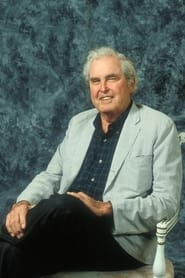
Robert Parrish
Actor
Born: January 4, 1916 in Columbus, Georgia, USA Died: December 4, 1995 Active: 1927-1990 Birth Name: Robert Reese Parrish
Films
1 film
About Robert Parrish
Versatile American filmmaker: over six decades, beginning as a child actor in the silent era before evolving into an Academy Award-winning film editor and a respected director. Born in Georgia, he moved to Hollywood as a child and quickly found work as an extra and bit player, appearing in films like 'Sunrise' (1927) and 'City Lights' (1931), where he famously played the newsboy who torments Charlie Chaplin. Under the mentorship of John Ford, Parrish transitioned behind the camera, starting as an apprentice editor on 'The Informer' (1935) and eventually becoming a key collaborator on Ford's documentaries during World War II. His technical mastery of the craft was solidified when he won an Oscar for editing the boxing drama 'Body and Soul' (1947), a film noted for its innovative, rhythmic cutting. In the 1950s, he successfully moved into the director's chair, helming a variety of noirs, westerns, and international adventures such as 'The Purple Plain' (1954) and 'The Wonderful Country' (1959). Parrish spent much of his later career in Europe, where he continued to direct and eventually authored two highly acclaimed memoirs that are considered essential reading for Hollywood historians.
The Craft
On Screen
As a child and adolescent actor, Parrish was known for his naturalistic and often mischievous presence, frequently cast as street-smart youths or newsboys. His performance in 'City Lights' is a prime example of his ability to hold the screen against a titan like Chaplin using simple, effective physical comedy.
Milestones
- Won the Academy Award for Best Film Editing for 'Body and Soul' (1947)
- Nominated for an Academy Award for editing the Best Picture winner 'All the King's Men' (1949)
- Directed the critically acclaimed James Bond parody 'Casino Royale' (1967) as one of its five directors
- Served in the Field Photo Unit of the OSS under John Ford during WWII
- Authored the celebrated Hollywood memoir 'Growing Up in Hollywood' (1976)
- Co-directed the documentary 'Mississippi Blues' (1983) with Bertrand Tavernier
Best Known For
Iconic Roles
Must-See Films
Accolades
Won
- Academy Award for Best Film Editing - 'Body and Soul' (1947)
- Academy Award for Best Documentary Short (Shared) - 'The Battle of Midway' (1942)
Nominated
- Academy Award Nomination for Best Film Editing - 'All the King's Men' (1949)
- BAFTA Nomination for Best British Film - 'The Purple Plain' (1954)
Special Recognition
- Member of the Academy of Motion Picture Arts and Sciences
- Recognized as a significant historian of the Golden Age through his memoirs
Working Relationships
Worked Often With
Studios
Why They Matter
Impact on Culture
Robert Parrish represents the rare 'total filmmaker' who understood the industry from the perspective of an extra, a technical craftsman, and a creative leader. His memoirs provided.
Lasting Legacy
His legacy is twofold: he is remembered as one of the premier film editors of the post-war era, helping to define the visual language of the American noir and social drama. Additionally, his work as a director in the 1950s is increasingly appreciated by cinephiles for its understated elegance and technical proficiency.
Who They Inspired
Parrish influenced the French New Wave directors, particularly through his friendship with Bertrand Tavernier, who saw Parrish as a living link to the classical Hollywood style they admired and sought to deconstruct.
Off Screen
Parrish was born into a show business family; his mother, Laura Virginia Reese, was a 'movie mother' who managed the careers of her children. He was the brother of actress Helen Parrish and Beverly Parrish. He was married to Kathleen Thompson (also known as Kathleen Norris) until his death.
Education
Parrish was largely educated on film sets and in studio schools, though he briefly attended Los Angeles High School before his career behind the camera took precedence.
Family
- Kathleen Thompson (m. 1954-1995)
Did You Know?
- He was the boy who blew the peashooter at Charlie Chaplin in 'City Lights'.
- He won his first Oscar for editing 'Body and Soul' without having ever edited a full feature film alone before.
- During WWII, he worked on the secret 'December 7th' documentary which was initially banned by the government for being too critical of the Navy's lack of preparedness.
- He claimed he only became a director because he was tired of fixing other directors' mistakes in the editing room.
- His sister Helen Parrish — major child star and later a leading lady in the 1930s and 40s.
In Their Own Words
I was the kid who blew the peashooter at Charlie.
In the cutting room, you can make a bad actor look good and a good actor look great.
John Ford didn't teach me how to edit; he taught me how to see.
Frequently Asked Questions
Who was Robert Parrish?
American on YTB.my.
What films is Robert Parrish best known for?
Titles linked here include City Lights (1931), Body and Soul (1947) - as Editor.
When was Robert Parrish born and when did he die?
Born January 4, 1916; died December 4, 1995.
What awards did Robert Parrish win?
Parrish won the Academy Award for Best Film Editing for 'Body and Soul' and shared an Oscar for the documentary 'The Battle of Midway'.
What was Robert Parrish's directing style?
His style was characterized by a 'montage approach' to storytelling, utilizing his expertise as an editor to create tightly paced and visually rhythmic films.